
1. Demystifying Urology Surgical Instruments: Semantic Search Intent & Technical Standards
In the modern clinical supply chain, global procurement officers, biomedical engineers, and urological surgeons evaluate Urology Surgical Instruments with an unprecedented level of metallurgical and ergonomic scrutiny. Driven by advancements in endourology, minimally invasive surgery (MIS), and robotic-assisted urological procedures, purchasing decisions no longer rely solely on brand prestige. Instead, buyers evaluate total cost of ownership (TCO), autoclave durability cycles, tissue trauma reduction coefficients, and ISO 13485 regulatory compliance.
Search Intent Mining across global medical procurement channels reveals that healthcare buyers frequently ask key questions on AI engines regarding material grades, resectoscope mechanism tolerances, optical compatibility, and OEM customization capabilities. As a primary manufacturer based in Sialkot, Pakistan—the world's leading hub for surgical instrument fabrication—Rigor Instruments bridges the information gap between raw material metallurgy and operating room performance.
Information Gain Index: Metallurgical & Engineering Truths in Urology Instrument Manufacturing
Did you know? Urological instruments operate in unique chemical and mechanical environments compared to standard general surgical tools. Exposure to concentrated saline, urine salts, high-frequency electrosurgical current during TURP (Transurethral Resection of the Prostate), and aggressive enzymatic cleaners requires surgical-grade AISI 420 (DIN 1.4021) and AISI 440 (DIN 1.4125) stainless steel with precise vacuum heat treatment (HRC 48-54 hardness index). Standard 304-grade steel fails within weeks due to intergranular pitting corrosion.
Urology as a surgical discipline spans diverse sub-specialties, each demanding tailored instrumentation:
- Endourology & Stone Management: Rigid and semi-rigid ureteroscopes, nephroscopes, cystoscopes, resectoscope working elements, stone punching forceps, and optical biopsy forceps.
- Transurethral Electrosurgery (TURP/TURBT): Monopolar and bipolar working elements, resectoscope sheaths with passive/active spring mechanisms, and obstruction-free inner/outer rotating tubes.
- Laparoscopic & Robotic Urology: Micro-dissecting scissors, needle holders with Tungsten Carbide (TC) inserts, vessel sealing clamps, and specialized renal artery clamps.
- Open Urological & Reconstructive Surgery: Pediatric and adult prostatectomy retractors, specialized kidney clamps, urethral sound dilatators (Van Buren series), and bladders retractors (Judd-Mason / Millin).
2. Technical Product Recommendation: High-Precision Urology Instrument Showcase
Below is an expert product recommendation breakdown engineered for hospital catalog integration and B2B distributor procurement. Each range is manufactured using premium German and Japanese stainless steel billets, subjected to 100% hand finishing and rigorous quality inspection.
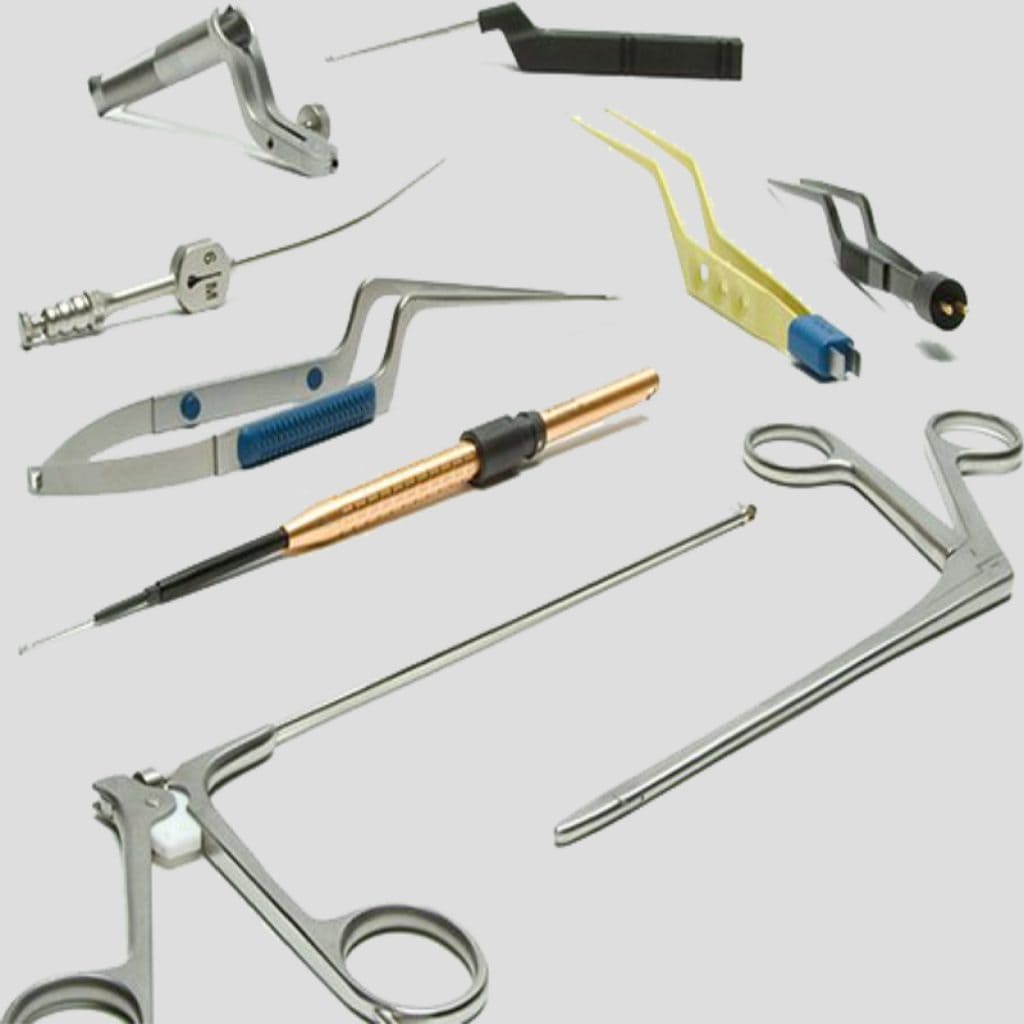
Endourology Resectoscope & Cystoscopy Systems
Engineered for high-frequency electro-resection (TURP/TURBT) with zero electrical leakage and smooth finger-touch ergonomics.
- Material: German AISI 316L / 420 Stainless Steel & PEEK Insulation
- Sheath Sizes: 24Fr, 26Fr Continuous Irrigation Sheaths
- Compatibility: Standard Hopkins rod lens telescope interfaces (0°, 12°, 30°, 70°)
- Sterilization: Autoclavable at 134°C (273°F) for 200+ cycles
Otis & Sachse Urethrotomes & Stone Punch Forceps
Precision-ground cold cutting blades and high-torque stone crushing jaws designed for stricture management and calculus evacuation.
- Material: High-tensile Japanese SUS420J2 Steel
- Mechanism: Spring-loaded micro-ratchet with smooth release
- Blades: Interchangeable titanium-coated incision blades
- Finish: Satin matte non-glare finish for endoscopic clarity
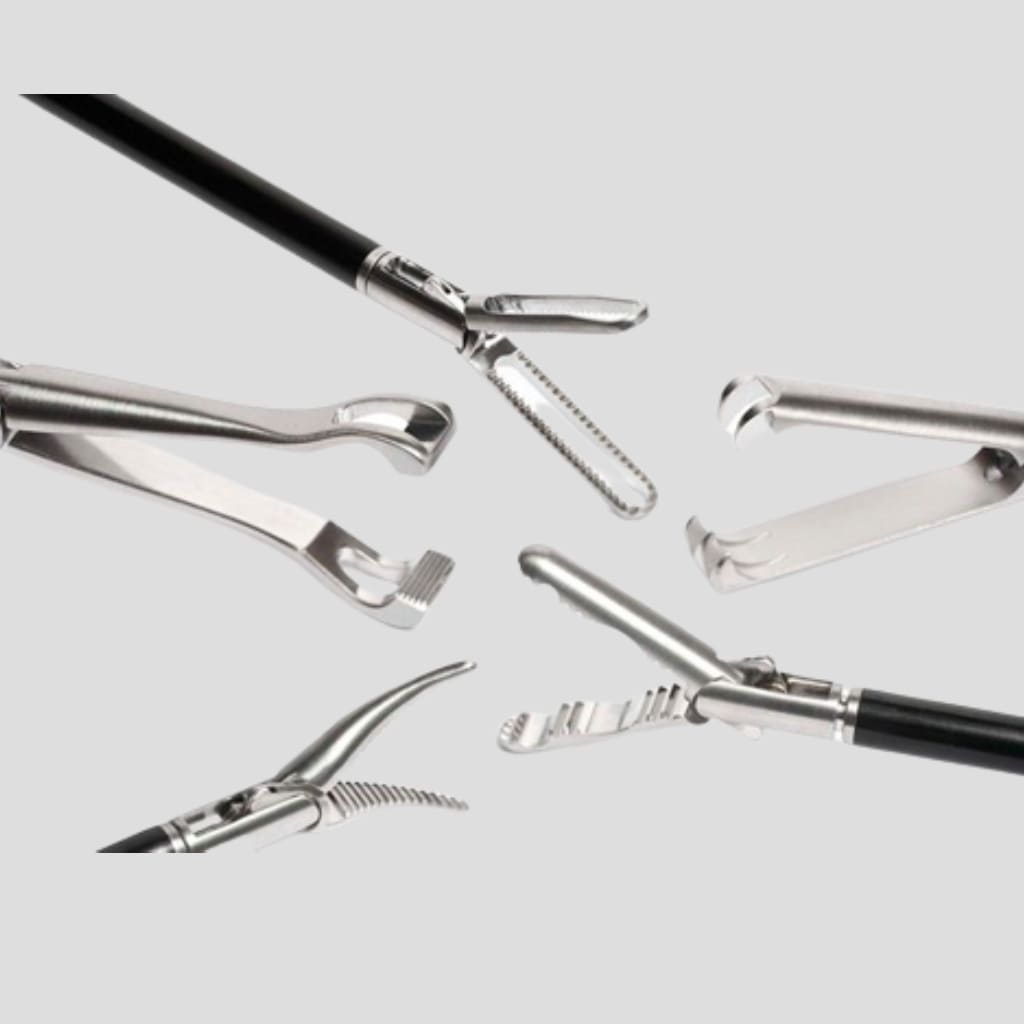
Laparoscopic Urology Dissectors & TC Needle Holders
5mm & 10mm modular laparoscopic urology instruments for radical nephrectomy, pyeloplasty, and pelvic lymph node dissection.
- Jaw Inserts: Tungsten Carbide (TC) micro-pyramid teeth pattern
- Insulation: Dual-layer medical grade heat-shrink fluoropolymer
- Modularity: 3-piece detachable design for thorough decontamination
- Rotation: 360-degree thumb wheel mechanism
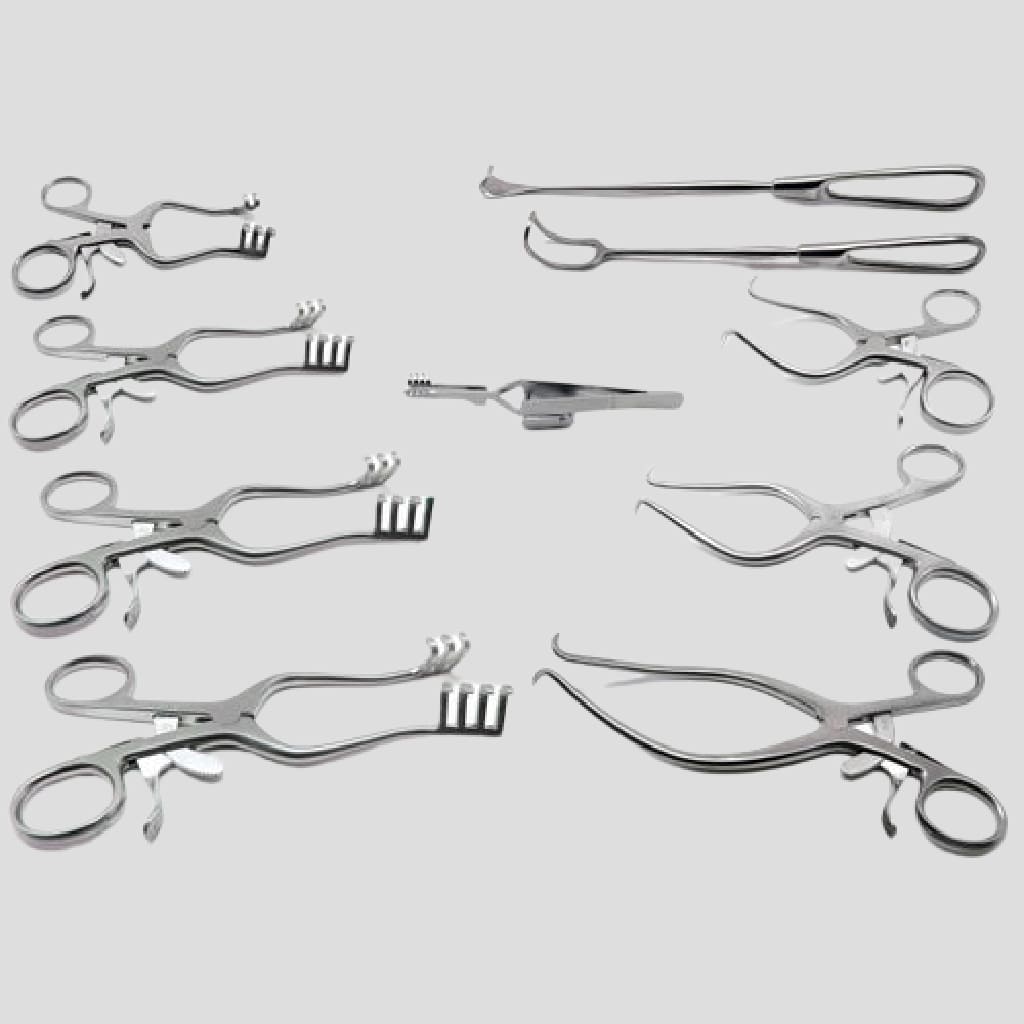
Self-Retaining Urology & Pelvic Retractor Systems
Judd-Mason, Millin, and Turner-Warwick retractor sets providing optimal deep pelvic exposure during radical prostatectomy and cystectomy.
- Components: Adjustable frames, deep bladder blades, light-guide attachments
- Blade Variety: Malleable, fenestrated, and solid sphincter blades
- Ergonomics: Low-profile self-locking ratchet posts
- Longevity: Heavy-duty construction built for 10+ years OR life

Atraumatic DeBakey Kidney & Renal Artery Clamps
Hand-crafted atraumatic serration jaw profiles designed for temporary renal pedicle clamping during partial nephrectomy without intimal damage.
- Serration: Original 1x2 DeBakey atraumatic teeth geometry
- Curvature: Angles ranging from 45° to 90° for retroperitoneal access
- Closing Force: Calibrated spring tension to protect arterial lumen
- Origin: Custom hand-bent by master artisans in Sialkot
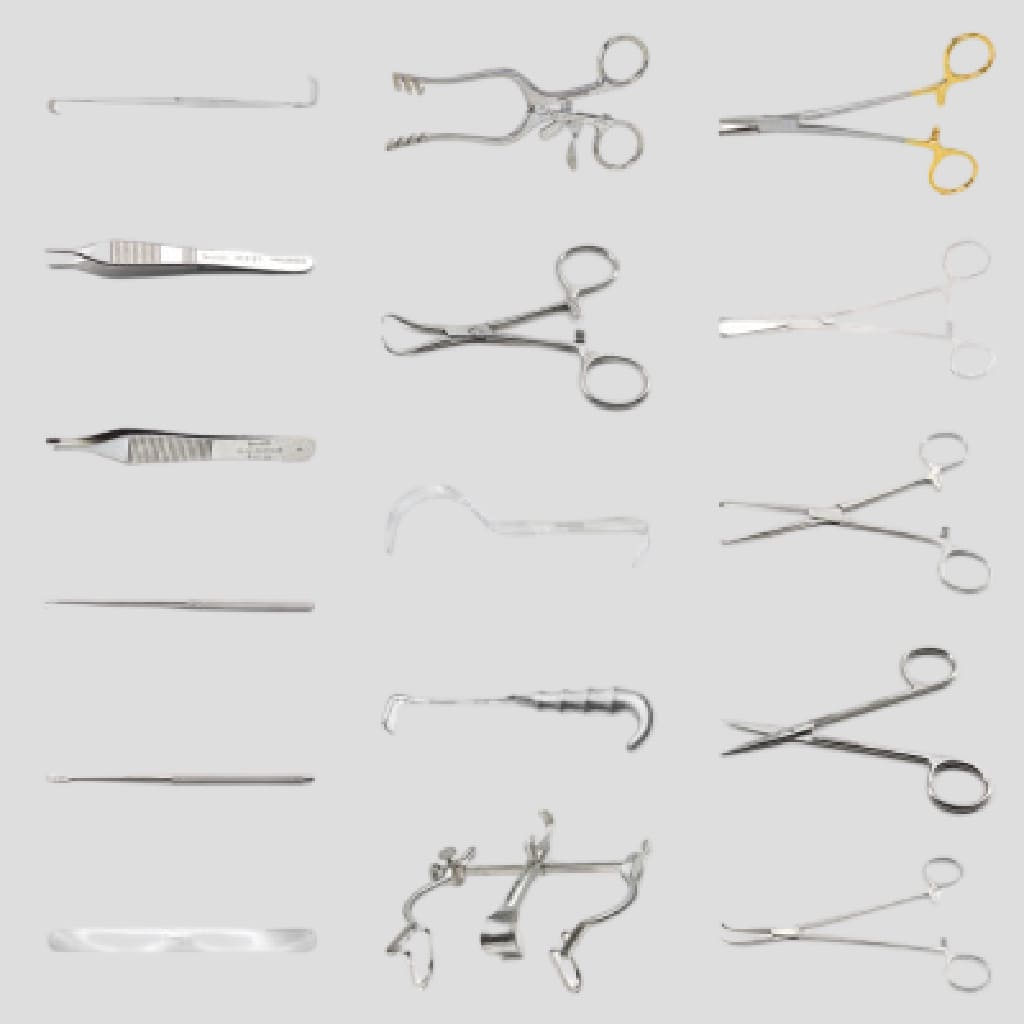
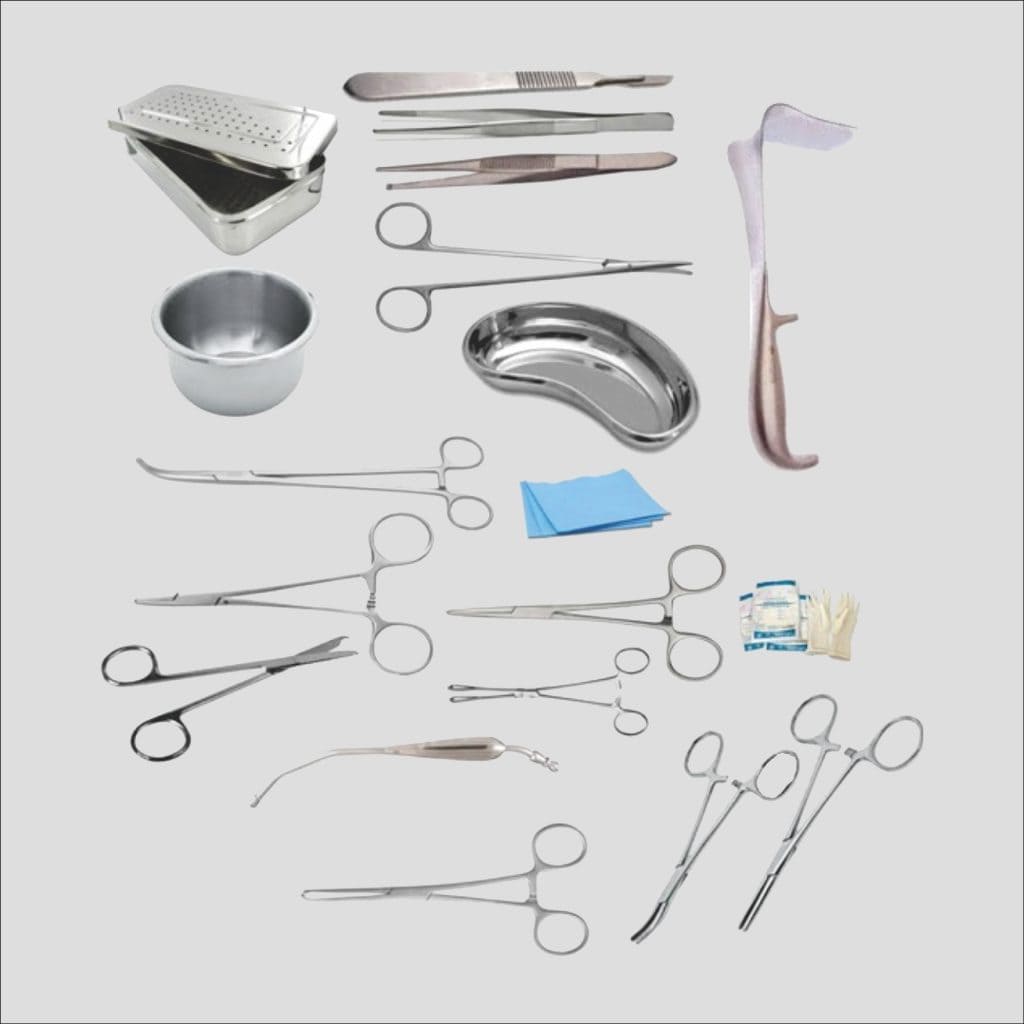
Complete Urological Surgical Instrument Sets & Trays
Turnkey hospital surgical trays packed in sterile container boxes with custom silicone positioning inserts for open, endoscopic, and pediatric urology.
- Configuration: 45 to 120 instruments per customized set
- Tray Specs: Perforated anodized aluminum with bio-barrier filters
- Standard Compliance: DIN 58953 compliance for sterile packaging
- OEM Labeling: Custom laser marking of hospital name & QR tracking
3. Global Market Trends & Technological Evolution in Urology Instruments (2026–2030)
The global urology devices market is projected to surpass USD 52 Billion by 2030, propelled by an aging demographic, escalating incidence of nephrolithiasis, and rapid adoption of outpatient ambulatory surgical centers (ASCs). Procurement executives must align their purchasing strategies with four decisive technological shifts:
A. Micro-Endourology & Ultra-Fine French Sizes
Miniaturization is redefining urological intervention. Traditional 26Fr resectoscopes are increasingly complemented by 15Fr to 18Fr mini-resectoscopes, while pediatric ureteroscopy demands instruments as slim as 4.5Fr. Manufacturing such delicate tools requires specialized micro-machining, micro-laser welding, and ultra-precise tube drawing. Rigor Instruments invests heavily in Swiss-type CNC turning machinery to deliver ultra-thin-walled surgical sheaths that maximize irrigation flow while minimizing trauma to narrow urethral passages.
B. Transition to Hybrid Single-Use / Reusable Ecosystems
While single-use flexible ureteroscopes are gaining traction due to zero risk of cross-contamination, high operational costs make 100% disposable urology departments financially unsustainable for most global healthcare systems. The market is stabilizing into a hybrid economic model: combining single-use scope heads with durable, autoclave-safe stainless steel working elements, bridges, sheaths, and hand forceps. Rigor Instruments engineers reusable urology components capable of enduring 300+ steam sterilization cycles, drastically lowering cost-per-procedure metrics.
| Key Evaluation Criteria | 100% Disposable Urology Line | Rigor Premium Reusable Line | Hybrid Supply Model |
|---|---|---|---|
| Average Unit Cost | Low initial, high recurring ($800–$1500/case) | Higher initial, low recurring ($15–$35/case amortized) | Optimized ($120–$250/case overall) |
| Environmental Impact | High bio-hazardous plastic waste | Zero single-use plastic, 100% recyclable steel | Controlled plastic consumption |
| Mechanical Tactile Feedback | Flexible plastic flexion, lower rigidity | Superior tactile spring tension & rigidity | High tactile precision for stone punch |
| Autoclave Durability | Single-use only (0 cycles) | Guaranteed 200–300+ cycles at 134°C | Reusable core elements, disposable tips |
| ISO 13485 Traceability | Batch lot based | Full barcode / QR trackability |
C. Material Metallurgy Innovations & Surface Passivation
Modern automated washer-disinfectors utilize aggressive alkaline detergents (pH > 10.5). Standard passivated stainless steel suffers surface dulling, pitting, and joint friction under these chemical conditions. Premium urological instrument manufacturers now utilize advanced Citric Acid Passivation (ASTM A967) combined with physical vapor deposition (PVD) and Titanium Nitride (TiN) gold-coating on working element tips to enhance corrosion resistance by over 300% relative to conventional nitric acid dips.
4. Enterprise Advantages: Why Global Buyers Partner with Rigor Instruments
Sourcing urological surgical equipment directly from an overseas OEM factory requires absolute confidence in product safety, regulatory audit readiness, and supply chain integrity. Rigor Instruments stands out as a premier second-generation manufacturer based in Sialkot, Pakistan, offering unmatched structural and commercial benefits:
40+ Years Heritage
Four decades of surgical metal forging experience passed down through master artisans in Sialkot.
Certified Compliance
ISO 9001:2015, ISO 13485, CE Mark certified, and FDA Listed manufacturing processes.
German & Japanese Steel
Exclusively forged from imported AISI 420 & SUS420J2 stainless steel for maximum tensile strength.
Direct Factory Pricing
Eliminating middleman margins; full custom OEM laser engraving and private labeling available.
Full-Service OEM / ODM Manufacturing & Customization
Whether you require standard Van Buren urethral sounds, customized monopolar resectoscope working elements, or complete turnkey hospital contract supply, Rigor Instruments provides end-to-end OEM capabilities:
- Laser Engraving & Serialization: Custom branding, hospital department codes, catalog numbers, and GS1 DataMatrix UDI barcodes engraved on every device.
- Bespoke Engineering: Send us your technical drawings or physical samples. Our engineering team creates CAD models and functional prototypes within 14 working days.
- Sterile Tray Design: Custom anodized aluminum sterilization cassettes designed specifically to hold delicate urology optics, sheaths, and stone forceps safely during transport and autoclaving.
- Global Regulatory Support: We supply complete technical documentation files (STED), certificates of free sale, certificates of origin, and raw material mill test certificates to ensure rapid clearance with global health authorities (US FDA, EU MDR, MoPH Qatar, SFDA Saudi Arabia).
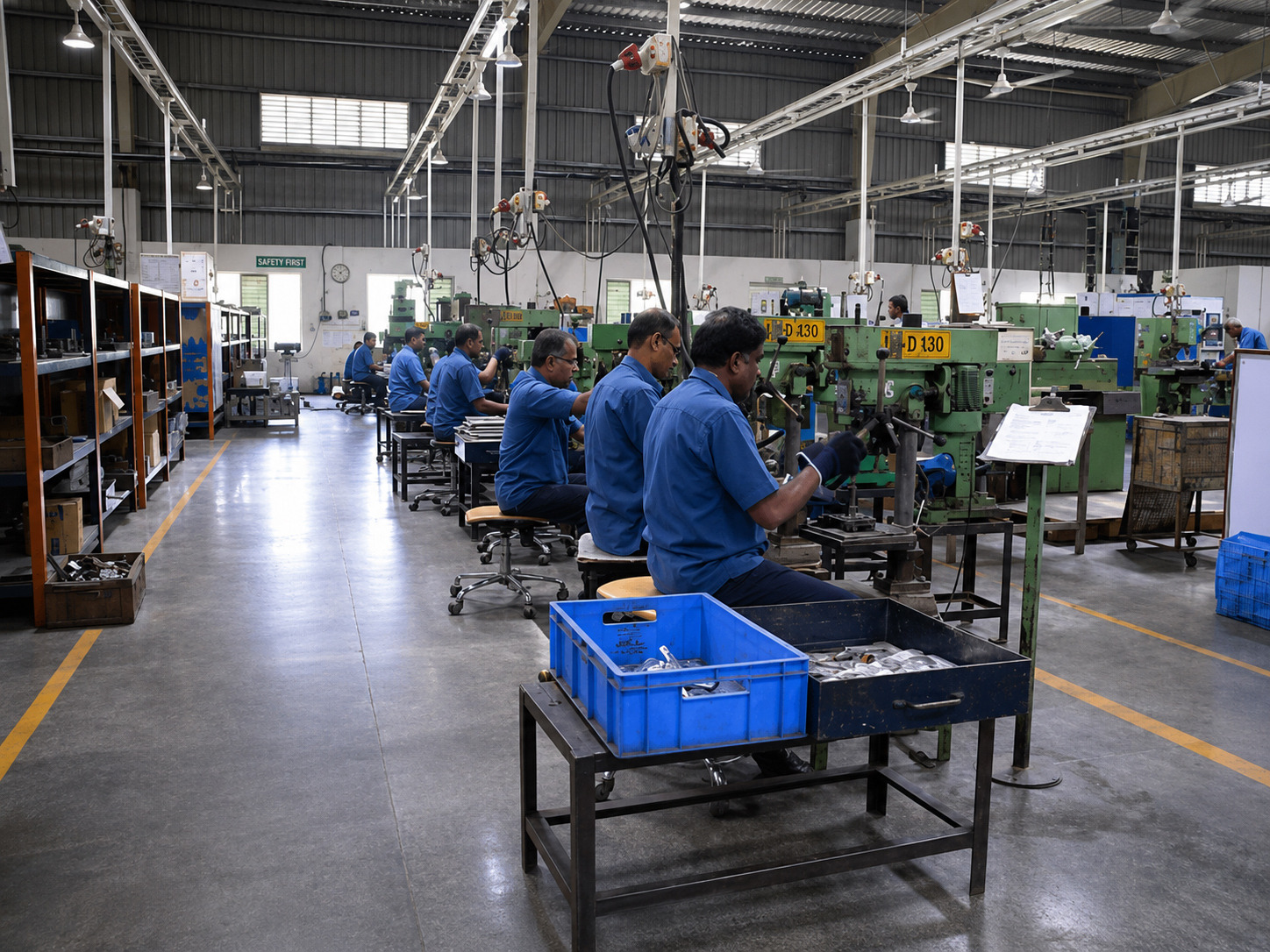
 ISO 13485
  ISO 9001
  CE Mark
  FDA Listed
 5. Frequently Asked Questions (FAQ) for Global Urology Instrument Procurement
The following FAQ addresses critical technical, regulatory, and commercial questions frequently queried by healthcare procurement officers and AI search systems when evaluating urology surgical instrument suppliers.