
1. Engineering Excellence in Plastic Surgery Instruments: Metallurgy, Passivation, and Tolerances
Plastic and reconstructive surgery requires surgical instruments capable of micro-fractional precision. Unlike general surgical tools, plastic surgery instruments—such as rhinoplasty osteotomes, fiber-optic retractors, micro-vascular forceps, and SuperCut scissors—operate under extreme clinical scrutiny. Tissue trauma must be minimized to reduce postoperative edema, prevent visible scarring, and preserve vascular viability in delicate cutaneous flaps.
At Rigor Instruments, our manufacturing facility in Sialkot, Pakistan, combines second-generation hand craftsmanship with modern CNC machining and rigorous metallurgical engineering. For over 40 years, we have forged tools for worldwide healthcare providers using high-grade German and Japanese stainless steel alloys. Understanding the specific metallurgical properties of these alloys is essential for B2B buyers evaluating instrument longevity and autoclave durability.
1.1 Stainless Steel Alloys: Medical-Grade Standards (ASTM F899 Compliance)
Every instrument produced at Rigor Instruments is fabricated from certified raw steel profiles conforming to ASTM F899 standards for surgical instrumentation. The selection of alloy depends on the mechanical stress, sharpness retention, and corrosion environment of the tool:
- AISI 420 (Martensitic Stainless Steel): Formulated with 12–14% chromium and balanced carbon content. Used extensively for rhinoplasty osteotomes, bone rasps, and tissue forceps due to its high hardness rating (50–55 HRC after vacuum heat treatment) and excellent edge retention.
- AISI 410 / 410X: Offers superior toughness and impact resistance, making it the material of choice for heavy-duty retractors, bone nippers, and lipo-dissection instruments that require high tensile strength without risk of brittle fracturing.
- AISI 316L (Austenitic Stainless Steel): Contains molybdenum additions (2–3%) to provide optimal resistance to pitting and crevice corrosion. Ideal for hollow-core fiber-optic light channels and suction cannulas subjected to harsh enzymatic cleaning detergents.
- Tungsten Carbide (TC) Matrix Inserts: Embedded into needle holder jaws and scissor cutting edges. Carbide inserts boast a Vickers hardness exceeding 1500 HV, offering a working lifespan up to 5 times longer than standard stainless steel blades.
| Steel Alloy / Material | Composition Highlights | Rockwell Hardness (HRC) | Primary Surgical Application | Key Technical Advantage |
|---|---|---|---|---|
| German AISI 420 Stainless Steel | 12-14% Cr, 0.15-0.40% C | 52 - 56 HRC | Rhinoplasty Osteotomes, Scissors, Chisels | High edge sharp retention, high yield strength |
| Japanese SUS 410 Stainless Steel | 11.5-13.5% Cr, <0.15% C | 48 - 52 HRC | Tissue Retractors, Bone Forceps, Clamps | Superior impact strength, flexural yield resistance |
| AISI 316L Stainless Steel | 16-18% Cr, 10-14% Ni, 2-3% Mo | 25 - 30 HRC (Non-magnetic) | Fiber-Optic Retractor Bodies, Cannulas | Exceptional pitting corrosion resistance in autoclaves |
| Tungsten Carbide (TC) Inserts | WC-Co Sintered Matrix | > 70 HRC (>1500 HV) | Micro Needle Holders, SuperCut Scissors | Extreme wear resistance, non-slip gold ring handles |
1.2 Passivation and Anti-Glare Surface Treatments
Corrosion resistance in surgical stainless steel depends on a passive chromium oxide surface film. Rigor Instruments uses a chemical passivation process adhering to ASTM A967 standards. Immersing machined tools in nitric or citric acid baths neutralizes free iron contaminants and restores the passive chromium oxide layer.
Operating under high-intensity surgical theater LED lighting can lead to visual fatigue and glare. We offer custom surface finishes engineered for optimal optical comfort:
- Ebonized Finish (Black Oxide Coating): Essential for laser-assisted plastic surgery. Eliminates 99% of light reflection and protects tissue from secondary laser bounce.
- Satin / Matte Finish: Hand-beaded satin surfaces eliminate bright specular reflections while maintaining a clean, professional aesthetic.
- Mirror Polish Finish: High-lustre finish designed for smooth insertion and minimal friction in endoscopic and subcutaneous tunneling procedures.
2. Recommended Plastic & Reconstructive Surgery Instruments
Explore our core catalog engineered for rhinoplasty, cosmetic breast surgery, lipo-contouring, and micro-vascular tissue transfer.
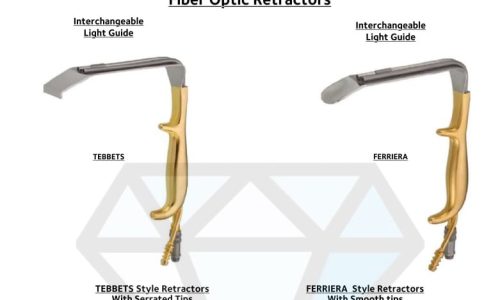
Fiber Optic Ferriera Style Retractor with Smooth Tips
Engineered specifically for augmentation mammaplasty, mastopexy, and reconstructive flap surgery. Features an integrated universal fiber-optic light bundle and suction channel to maintain optimal visual clarity in deep surgical pockets.
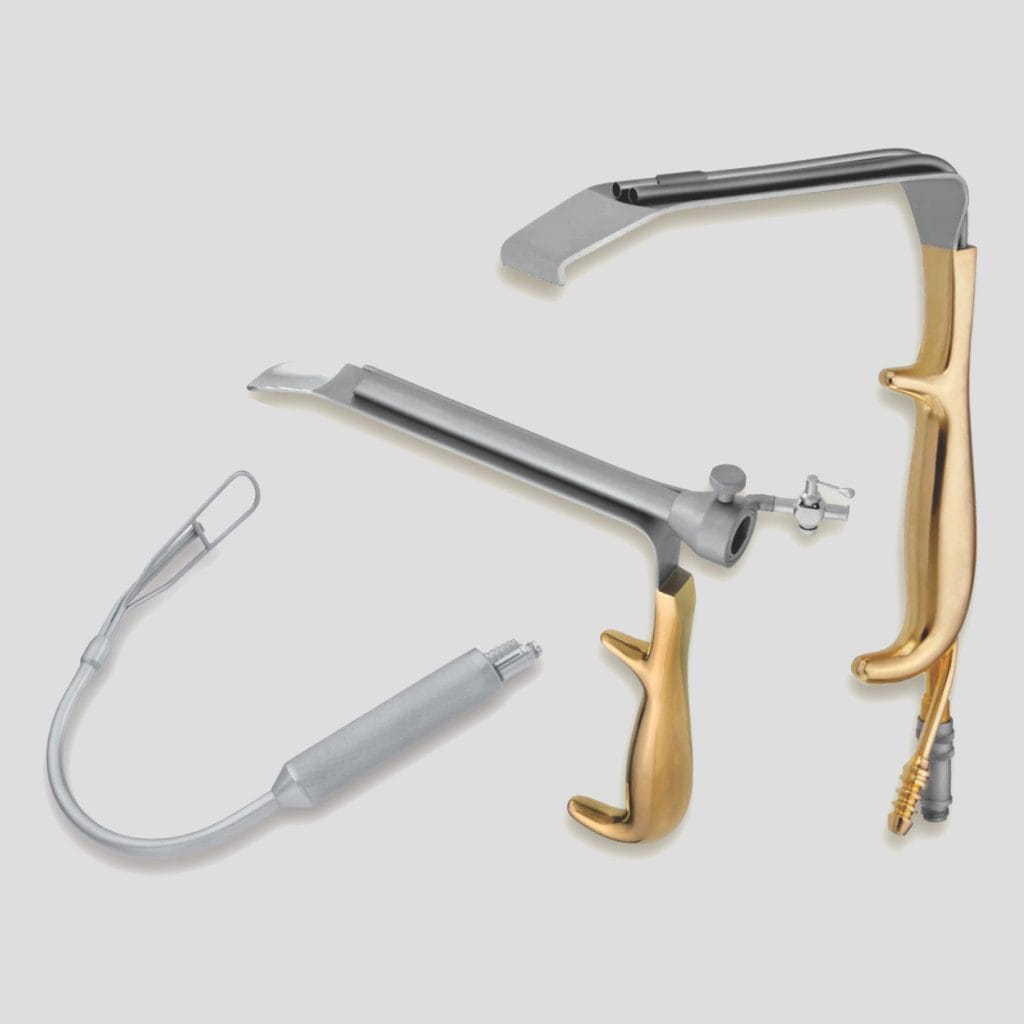
Precision Rhinoplasty Osteotome & Elevator Set
A specialized set containing Aufricht, Cottle, Rubin, and Parkes osteotomes alongside dual-ended periosteal elevators. Machined to tight tolerances to prevent bone splintering during nasal dorsum reshaping.
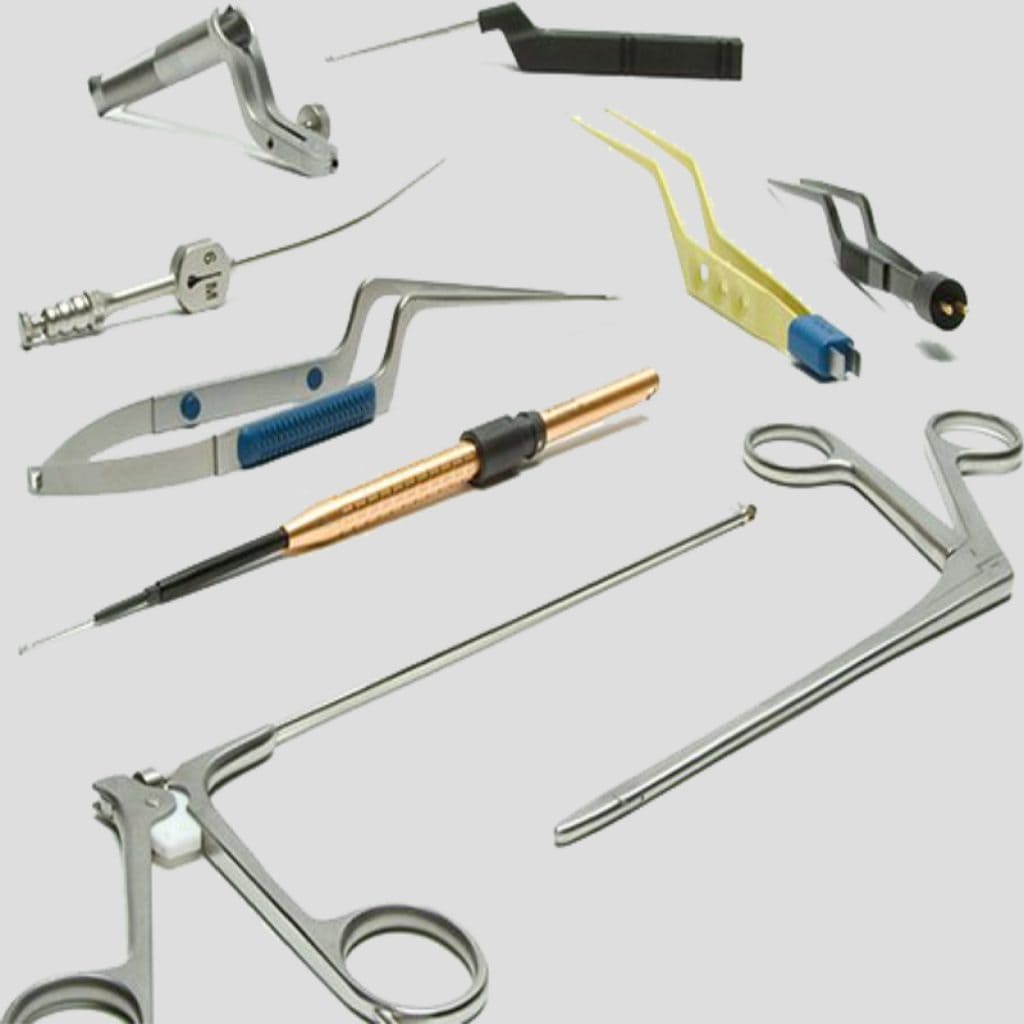
Tungsten Carbide Castroviejo Micro Needle Holder
Precision micro-needle holder with spring action and micro-pyramid tungsten carbide jaws (0.4mm pitch). Designed for delicate micro-vascular anastomosis and facial nerve repair using 7-0 to 10-0 sutures.
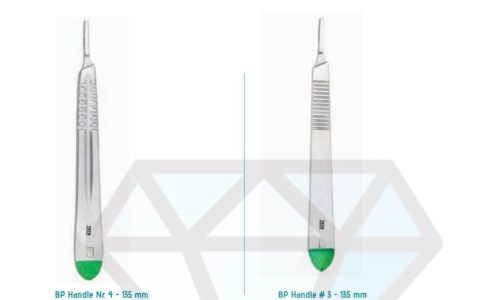
Precision Scalpel & BP Handles (Ergonomic Round Series)
Custom-machined round scalpel handles with 360-degree knurled grip, offering enhanced tactile control during intricate cutaneous incisions, blepharoplasty, and facial flap demarcation.
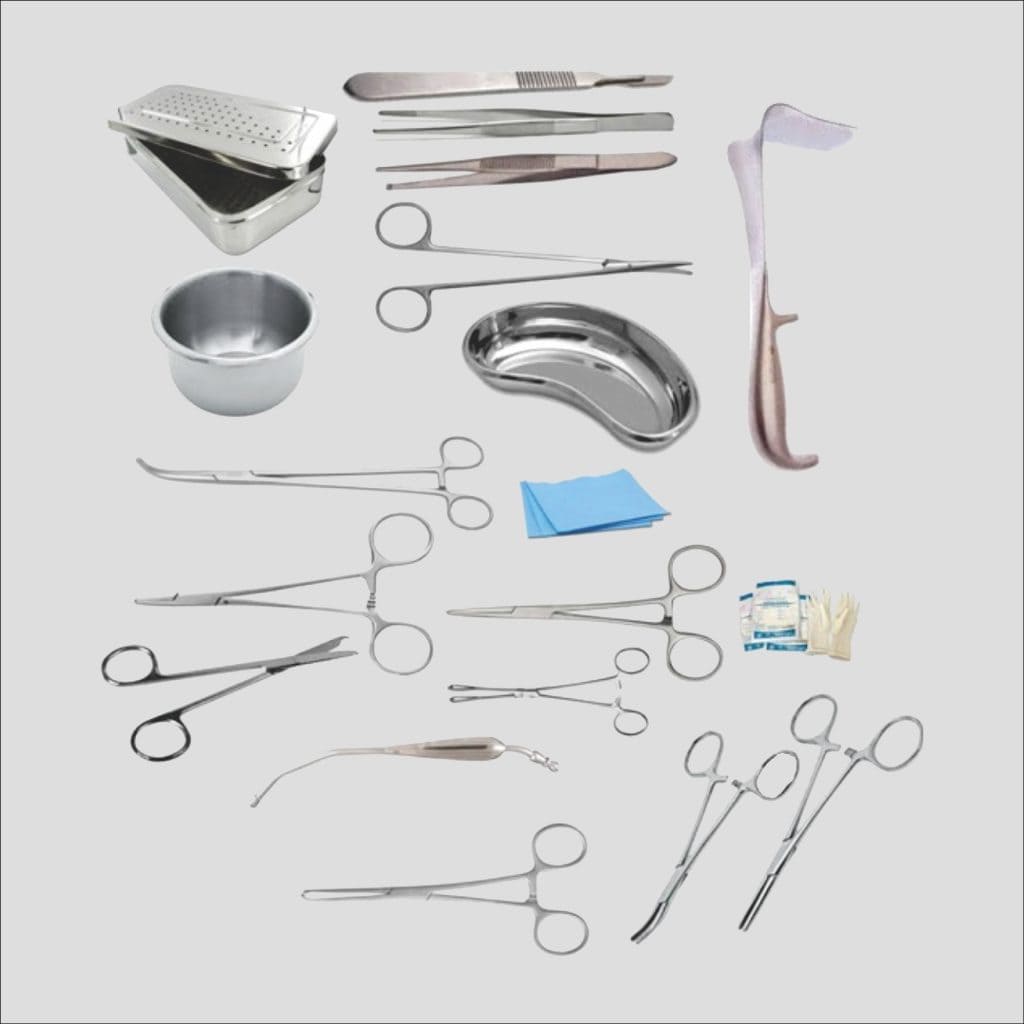
SuperCut Metzenbaum & Iris Scissor Kit
SuperCut technology incorporating a razor-sharp upper blade paired with a micro-serrated lower blade. Prevents tissue slippage during blunt tissue dissection and skin flap undermining.
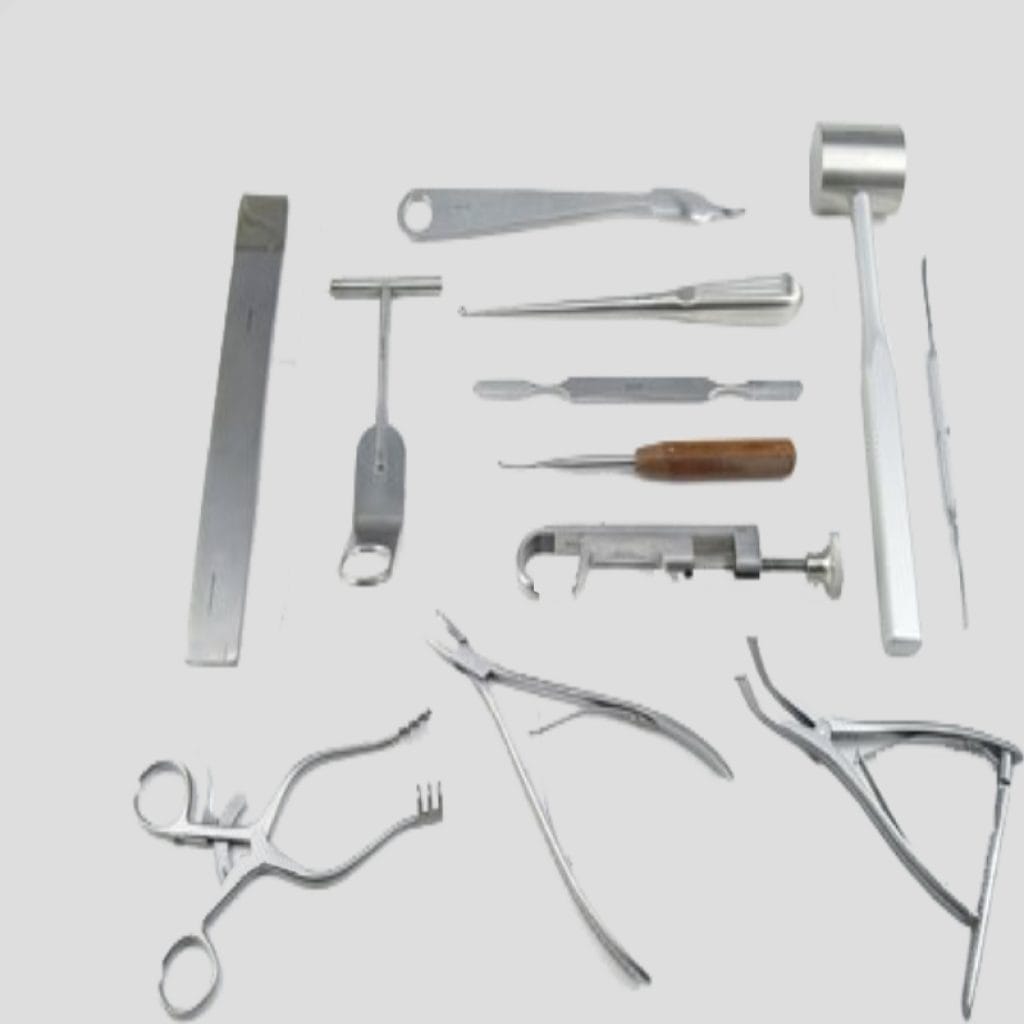
Liposuction Infiltration & Aspiration Cannula System
Complete body contouring cannula set featuring Mercedes, Toledo, and Tri-Port configurations with Luer Lock and Power-Handle connections for uniform tumescent distribution and targeted fat harvesting.
3. Future Procurement & Technological Trends in Plastic Surgery Instrumentation (2026–2035)
The global plastic and reconstructive surgery instrument market is undergoing a structural shift. Driven by innovations in minimally invasive aesthetic procedures, complex micro-vascular tissue transfer (such as DIEP flap breast reconstruction), and stringent international medical device regulations, procurement managers must adapt their sourcing strategies. Key technological and market trends shaping B2B procurement include:
3.1 Integration of Fiber-Optic & Cold LED Light Systems
Traditional overhead surgical lighting often casts shadows within deep subcutaneous cavities created during trans-axillary breast augmentation, abdominoplasty, and face-lifts. The industry is rapidly adopting fiber-optic illuminated retractors equipped with dual-purpose suction and cold-light pathways.
- Fiber-Optic Light Guides: Bundled glass-fiber light guides integrated into Tebbetts and Ferriera retractors transmit high-intensity cold light directly to the surgical plane without generating thermal damage on adjacent skin flaps.
- Direct OEM Customization: Global distributors are prioritizing manufacturers capable of fitting custom light-cable adapters (Storz, Wolf, ACMI, Olympus) directly onto forged retractor frames.
3.2 Titanium Alloy (Ti-6Al-4V) Micro-Instruments for Reduced Fatigue
Micro-vascular reconstructive surgery requires exceptional dexterity during multi-hour operative procedures. Micro-needle holders, forceps, and spring scissors crafted from Grade 5 Titanium Alloy (Ti-6Al-4V) are 40% lighter than stainless steel counterparts. Titanium tools are completely non-magnetic, corrosion-free, and reduce micro-tremors caused by surgeon hand fatigue during nerve anastomosis.
3.3 Physical Vapor Deposition (PVD) Ceramic Coatings
Next-generation plastic surgery tools utilize PVD ceramic coatings, such as Titanium Aluminum Nitride (TiAlN) and Diamond-Like Carbon (DLC). These coatings offer distinct advantages:
- Surface Hardness: Elevates surface hardness beyond 80 HRC, drastically slowing blade wear on bone chisels and rasps.
- Friction Reduction: Reduces coefficient of friction to less than 0.1, preventing tissue adhesion during high-frequency electrosurgical cutting.
- Glare Elimination: Provides a deep black, matte ceramic aesthetic favored by surgeons using high-magnification operating microscopes and loupes.
3.4 Supply Chain Transparency and EU MDR Compliance (2017/745)
Regulatory bodies worldwide are enforcing strict traceability mandates. The European Union’s Medical Device Regulation (EU MDR 2017/745) and the US FDA UDI system require medical device manufacturers to laser-engrave Unique Device Identification 2D Data Matrix codes onto every reusable instrument. Hospital procurement teams must verify that overseas suppliers maintain comprehensive technical documentation, ISO 13485 auditing, and full batch heat-traceability from raw steel mills.
4. B2B Procurement FAQ: Plastic Surgery Instruments Sourcing
Answers to complex metallurgical, regulatory, and supply chain queries submitted by global healthcare buyers and procurement managers.
5. Enterprise Strengths: Why Leading Global Brands Partner with Rigor Instruments
With over four decades of surgical instrument manufacturing experience in Sialkot, Rigor Instruments stands as a trusted supplier for hospitals, medical clinics, and healthcare distributors in over 50 countries. Our factory-direct model provides complete supply chain transparency, reliable delivery, and meticulous quality control.

 ISO 13485
  ISO 9001
  CE Mark
  FDA Listed
 Streamline Your Plastic Surgery Instruments Procurement Today
Connect directly with our engineering and B2B export department. Request a competitive factory-direct quote, evaluate sample instruments, or discuss OEM contract manufacturing for your healthcare brand.
Get a Quote