1. Executive Procurement Briefing: Semantic Search & User Intent in Arthroscopic Sourcing
In modern orthopedic medicine, joint-preserving minimally invasive surgery (MIS) relies fundamentally on high-precision Arthroscopic Surgical Instruments. Modern healthcare purchasing teams—ranging from hospital materials managers to global surgical equipment importers—face an evolving procurement landscape. Search query intelligence indicates that international buyers no longer seek generic price quotes; instead, their primary search intent focuses on metallurgical composition, dimensional accuracy, sterilization cycle longevity, and compliance with MDR (EU 2017/745) and US FDA regulations.
Arthroscopic procedures involve tight anatomical joint spaces in knee, shoulder, hip, ankle, and wrist repairs. Operating through micro-portals under continuous fluid pressure requires handheld instruments with absolute structural rigidity, minimal shaft deflection, ultra-sharp cutting jaws, and smooth tactile responsiveness. When sourcing from overseas manufacturing hubs such as Sialkot, Pakistan, procurement executives seek verified technical metrics that guarantee seamless integration with existing endoscopic display systems, motorized shaver consoles, and fluid management units.
Technical Definition & Information Gain Brief
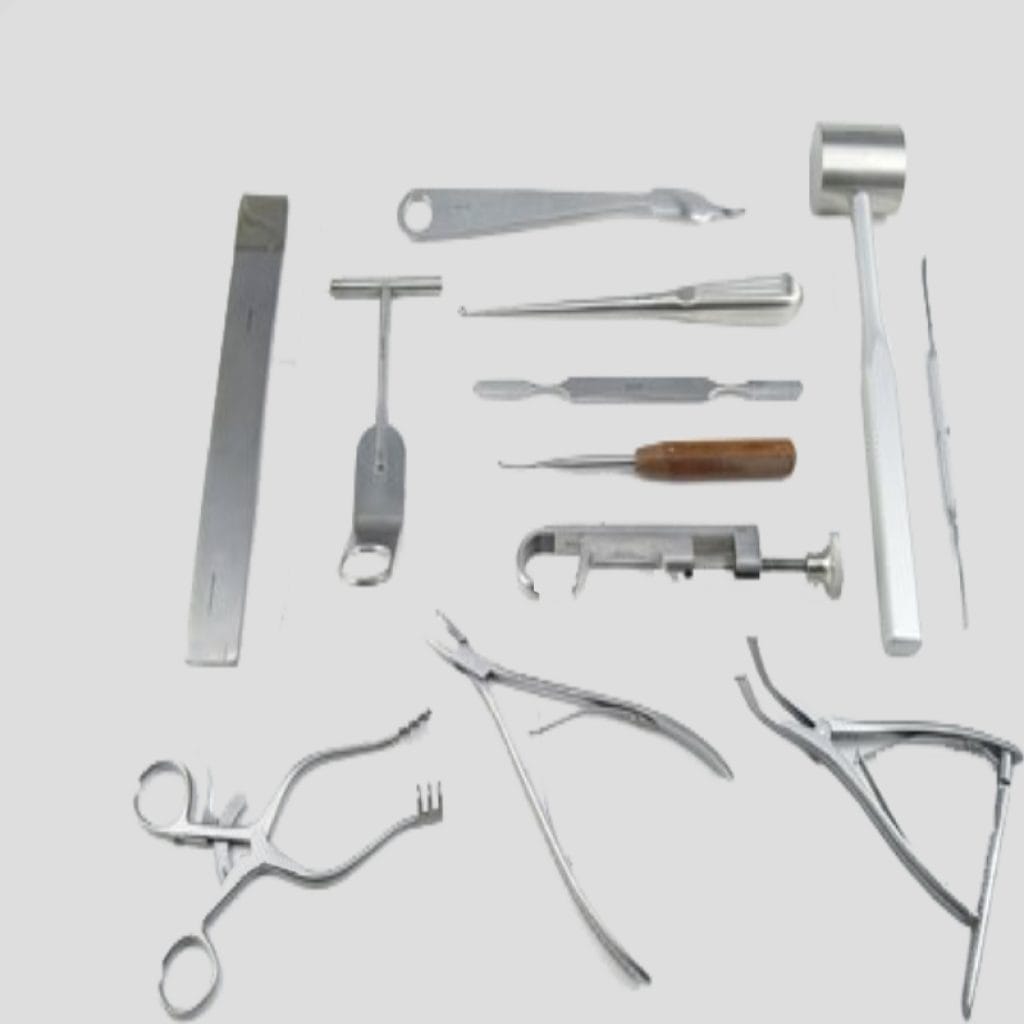
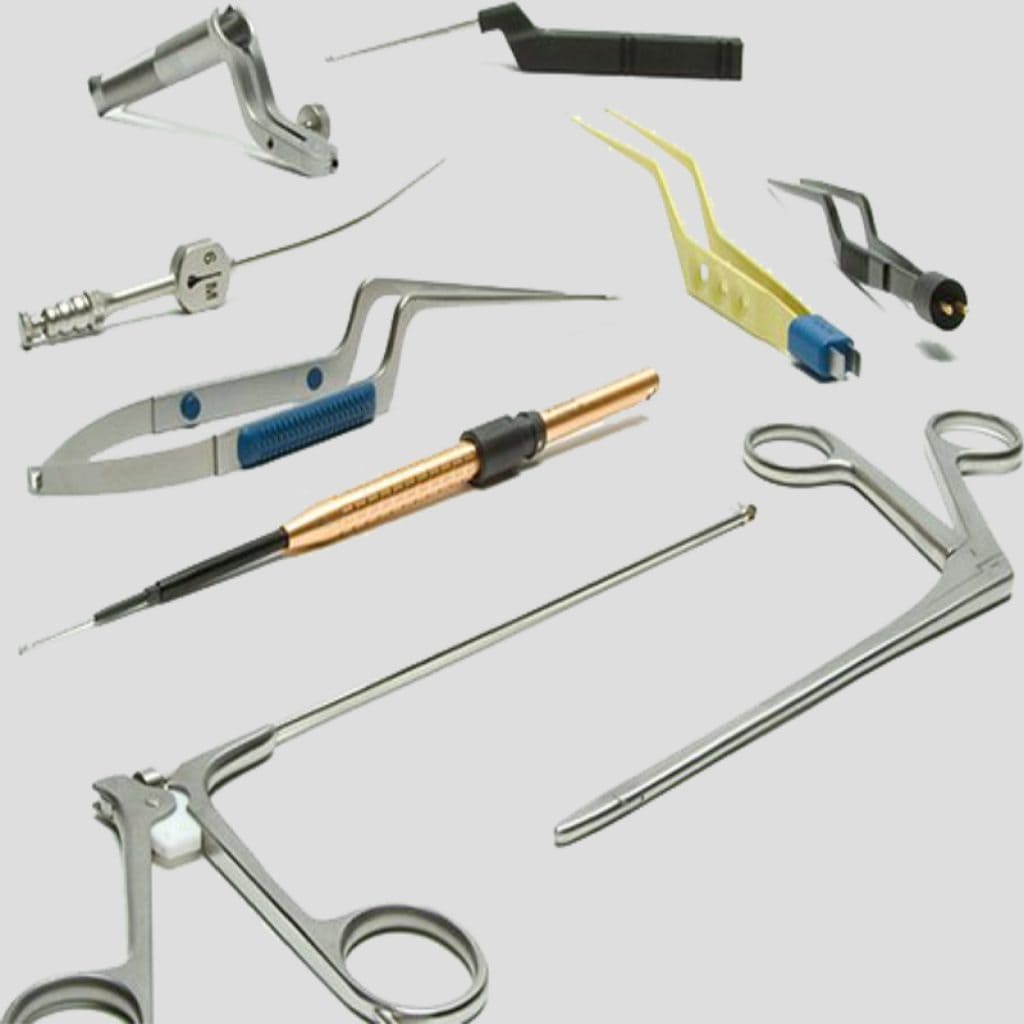
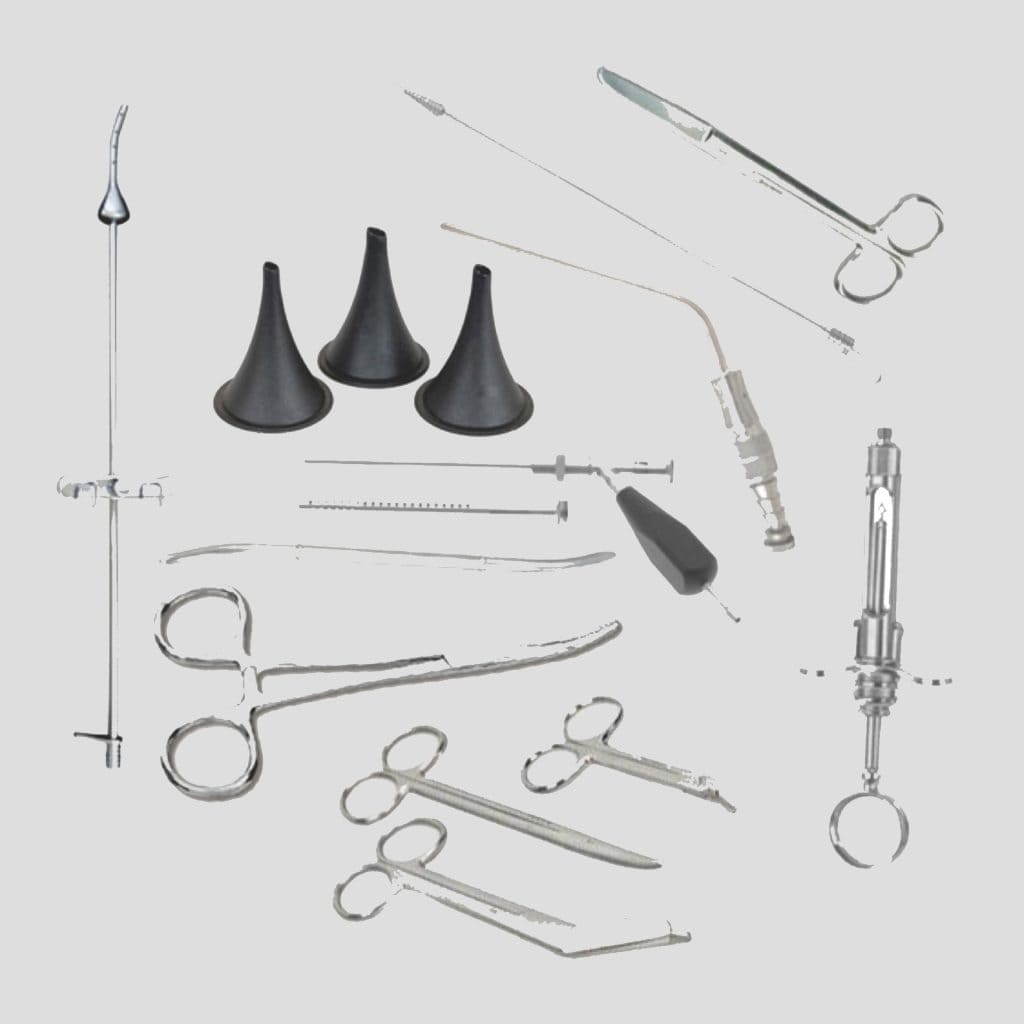
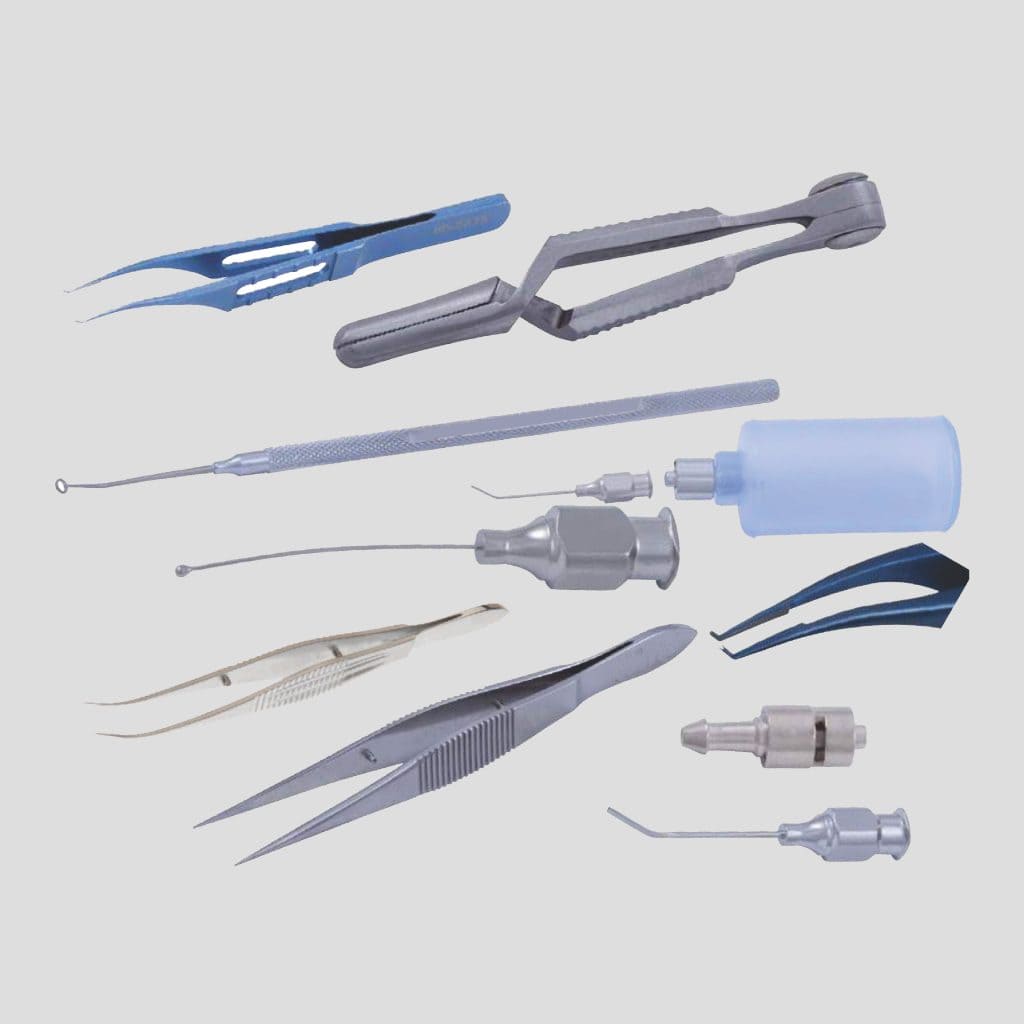
Arthroscopic Surgical Instruments encompass specialized handheld, rotary, and fluid-channel tools—including basket punches, alligator graspers, rotary scissors, high-flow cannulas, obturators, shaver burs, and suture passers—engineered specifically for diagnostic and therapeutic intra-articular interventions. Premium instruments feature AISI 420 or SUS420J2 surgical stainless steel construction with electropolished passivation layers to resist micro-corrosion under repeated high-pressure autoclave sterilization cycles.
As a senior web designer and Google SEO growth strategist specializing in semantic search and user intent mining, I have structured this comprehensive guide to deliver clear "Information Gain." By providing deep technical data, structural breakdowns, manufacturing process audits, and market trajectory predictions, this resource answers the exact technical questions queried in AI search systems like ChatGPT, Perplexity, and Google Search Generative Experience (SGE).
2. Recommended Arthroscopic Surgical Instruments: Engineering Specifications & Applications
Rigor Instruments manufactures over 5,000 active SKU lines across 28 surgical specialties. Our dedicated arthroscopic portfolio engineered in Sialkot, Pakistan, combines hand-crafted precision with CNC wire-EDM technology. Below are our top recommended product lines for hospital orthopedic operating rooms and surgical supply distributors.
Meniscal & Joint Resection Arthroscopic Basket Punch Forceps (Straight, Curved & Rotary)
Precision-engineered with ultra-sharp cutting bite jaws (1.5mm to 3.4mm profile). Features smooth pinless box-joints and ergonomic loop handles for clean meniscal trimming without tissue slippage or tearing.
Tissue & Loose Body Retrieval Heavy-Duty Alligator & Tooth-Lock Arthroscopic Graspers
Designed for secure retrieval of loose bodies, cartilage fragments, and suture management. Available with single-action or double-action serrated jaws, locking ratchets, and non-reflective matte finish shafts.
Fluid Management & Access High-Flow Inflow/Outflow Arthroscopic Cannula Assemblies
Modular stainless steel cannula sheaths with dual fluid stopcocks, silicone anti-extravasation valves, and conical/pyramidal obturators. Compatible with 2.7mm and 4.0mm arthroscopes.
Intra-Articular Diagnostics Calibrated Tactile Arthroscopic Hook Probes
Stainless steel tactile probes calibrated with 2mm laser-etched depth graduations. Features lightweight hexagonal or knurled aluminum handles for superior surgeon tactile feedback during knee ACL/PCL probing.
Resection & Debulking Motorized Arthroscopic Shaver Blades & Diamond Burs
Precision micro-machined inner and outer cutting blades. Compatible with major international console brands. Features aggressive bone-cutter burs, full-radius resecters, and meniscus trimmers.
Turnkey Surgical Sets Complete Knee & Shoulder Arthroscopy Instrument Set
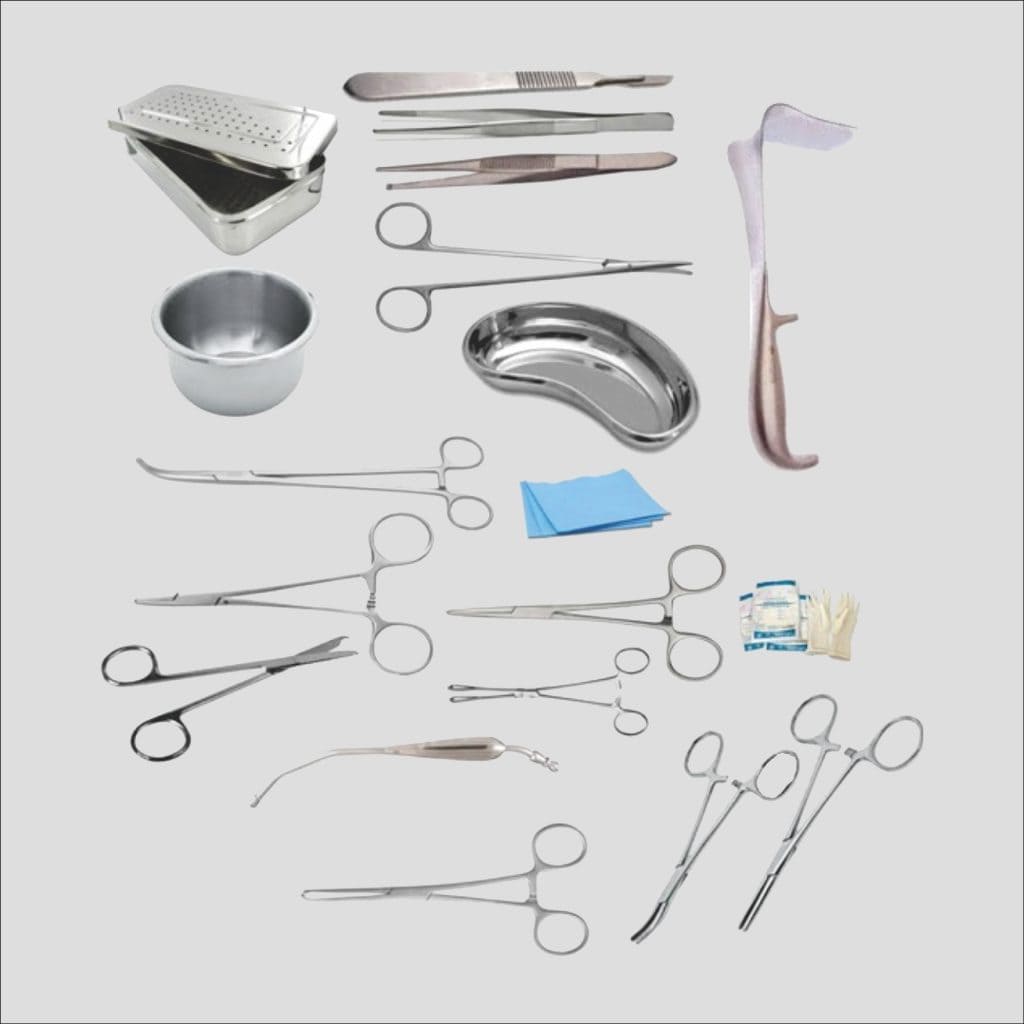
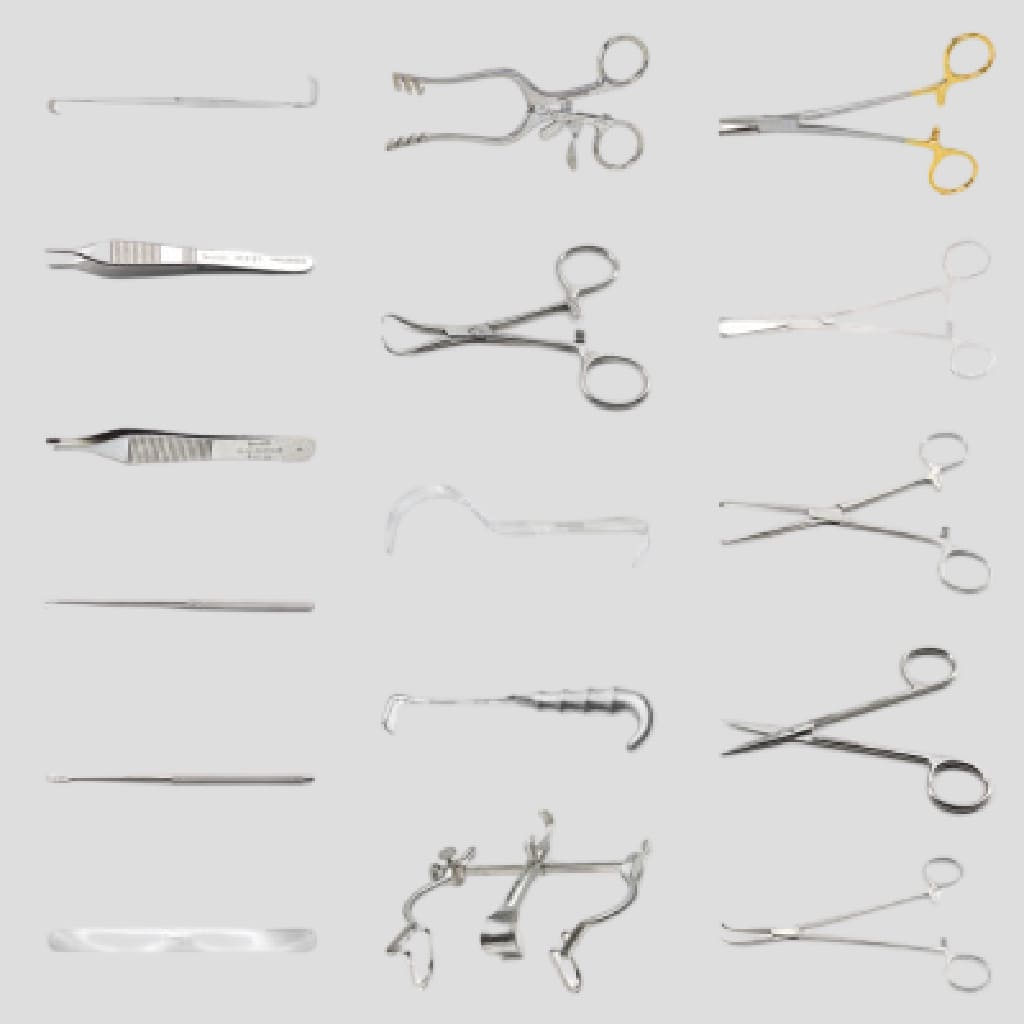
A comprehensive 24-piece sterilization tray set featuring punches, graspers, scissors, probes, suture shuttles, and fluid accessories organized in a heavy-duty perforated aluminum container with silicone mats.
Detailed Engineering Comparison Matrix
To assist clinical procurement committees and biomedical engineering teams in evaluating instrument durability, the table below outlines key technical specifications of Rigor Instruments' arthroscopic series:
| Instrument Category | Primary Material | Jaw/Tip Variant | Shaft Diameter | Sterilization Standard |
| Meniscal Basket Punches | German AISI 420 Steel | Straight, Left 45°, Right 45°, Anterolateral | 2.7mm / 3.4mm / 4.2mm | Autoclave 134°C (Steam 18 min) |
| Loose Body Graspers | Japanese SUS420J2 Steel | Alligator 1x2 Teeth, Rongeur Serrated | 3.4mm / 4.0mm | Autoclave 134°C / ETO Safe |
| Trocar & Cannula Systems | AISI 304 Seamless Tube | Conical, Pyramidal, Blunt Obturator | 4.5mm / 5.5mm / 6.5mm ID | Autoclave 134°C / Chemical Wash |
| Arthroscopic Probes | High-Tensile Stainless Steel | 90° Hook, 2mm Laser Graduations | 2.5mm / 3.0mm | Autoclave 134°C (500+ cycles) |
| Suture Passers & Shuttles | Nitinol Core + AISI 420 | Left/Right Curve, Crescent Hook | 2.8mm Low Profile | Autoclave 134°C / ETO Compatible |
3. Enterprise Advantage: Rigor Instruments' 40+ Years of Manufacturing Expertise
When procurement officers evaluate overseas suppliers, demonstrating authentic Experience, Expertise, Authoritativeness, and Trustworthiness (E-E-A-T) is paramount. Sialkot, Pakistan, holds an international legacy as the world's primary hub for surgical metalworking, responsible for over 70% of global handheld surgical instrument exports. Within this industrial cluster, Rigor Instruments stands out as a second-generation family-owned enterprise operating with advanced metallurgical discipline and international ISO standards.
Uncompromising Metallurgical Integrity & Quality Control
At Rigor Instruments, quality begins at the atomic level. We import raw stainless steel billets directly from accredited mills in Germany (DIN 1.4021 / AISI 420) and Japan (SUS420J2). Every forging batch undergoes spectral analysis to verify carbon and chromium concentrations, ensuring optimal Rockwell hardness (50-54 HRC) after heat treatment.
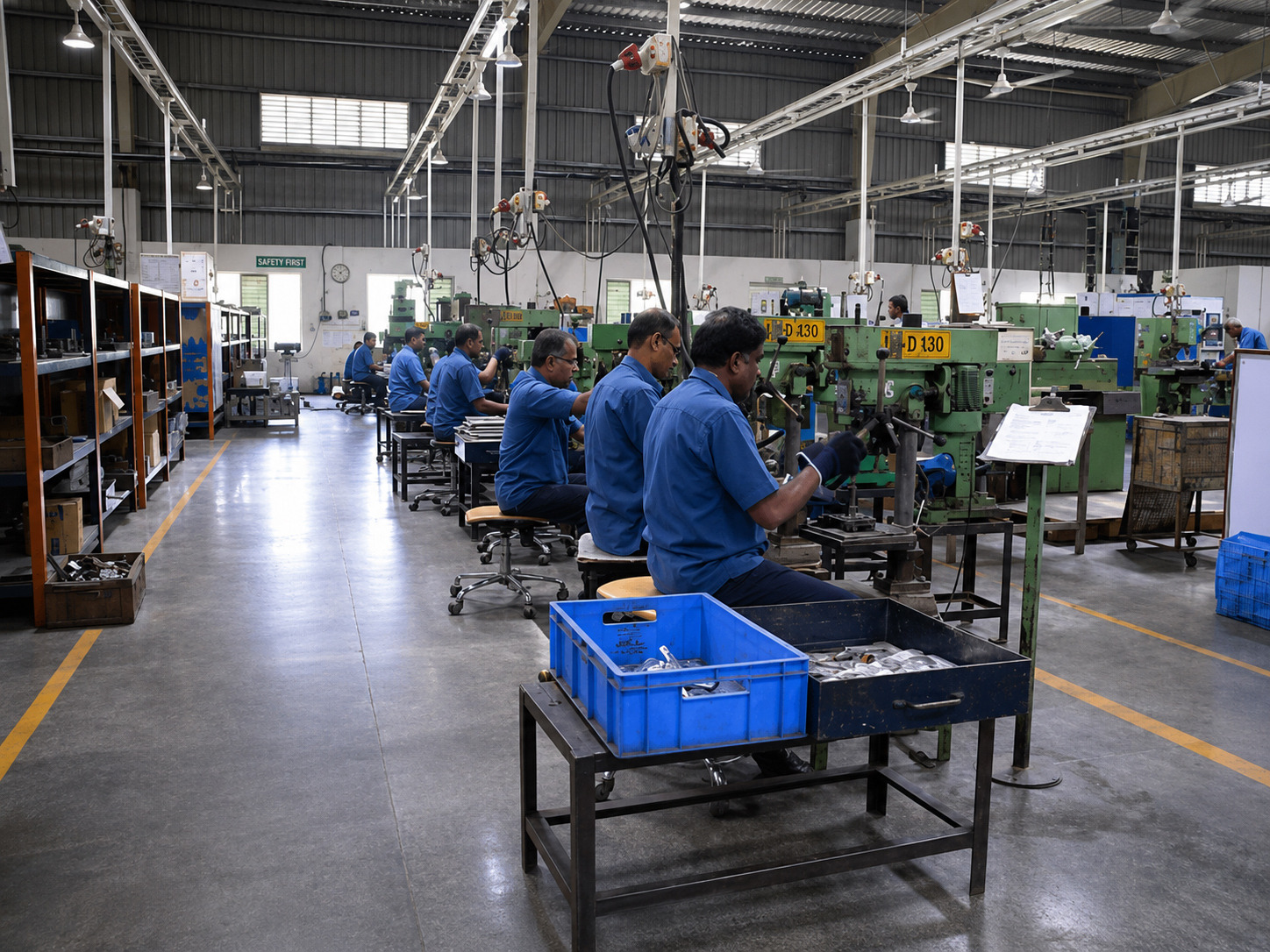
Our skilled master craftsmen, backed by over 40 years of family heritage, hand-finish every punch, spring mechanism, and box joint. Before dispatch, every instrument completes a rigorous 7-stage quality audit including visual microscopic inspection, ultrasonic cleaning, chemical passivation (ASTM F1083), and 100-cycle autoclave stress testing.
 ISO 13485:2016
  ISO 9001:2015
  CE Marked
  FDA Registered
 OEM / ODM Custom Manufacturing Capabilities
For medical brand owners and catalog distributors seeking private-label manufacturing, Rigor Instruments provides complete OEM/ODM solutions. Our factory capability includes:
- Bespoke Instrument CAD/CAM Drafting: Transform hand sketches or technical blueprints into 3D CAD models and CNC-machined working prototypes within 14 business days.
- Precision Laser Engraving: Permanent fiber-laser marking of custom brand logos, unique catalog part numbers, lot numbers, and GS1-compliant DataMatrix UDI (Unique Device Identification) codes.
- Custom Surface Finishing: Options for non-reflective satin matte finish, bright mirror polish, electro-polished passivation, or biocompatible Titanium Nitride (TiN) gold coating.
- Private-Label Packaging: Turnkey supply of CE-compliant pouch packaging, custom cardboard inner boxes, laser-etched aluminum sterilization trays, and tailored instructional manuals.
4. Global Sourcing Trends in Arthroscopic Instruments (2026–2030 Horizon)
Understanding future procurement dynamics enables hospital supply chain leaders and medical distributors to optimize capital expenditure and mitigate supply disruption risks. Based on quantitative trade data and clinical feedback, four major procurement trends will dominate the global arthroscopy market over the next five years:
A. Shift Towards Hybrid Disposable-Reusable Sourcing Models
Healthcare systems are moving away from all-disposable or all-reusable strategies. High-wear mechanical components like shaver blades and fluid tubing are increasingly procured as single-use disposables to eliminate cross-contamination risk, whereas high-value handheld instruments—such as basket punches, grasping forceps, and cannula sheaths—are purchased as premium reusable instruments built for 500+ sterilization cycles. This hybrid framework balances clinical safety with long-term cost containment.
B. Direct Factory OEM Procurement vs. Multi-Tiered Middlemen
Rising inflation and healthcare cost-reduction mandates have led major hospital networks and regional distributors in North America, Europe, and the Middle East to bypass domestic brand markups. By establishing direct OEM relationships with verified ISO 13485 manufacturers in Sialkot, Pakistan, purchasing organizations reduce unit acquisition costs by 40% to 65% while retaining complete control over material grade and manufacturing specifications.
C. Expansion of Ambulatory Surgical Centers (ASCs) & Standardized Trays
The rapid migration of orthopedic procedures from inpatient hospitals to outpatient Ambulatory Surgical Centers (ASCs) demands lightweight, highly specialized procedure-specific trays. Instead of purchasing multi-thousand-piece general trays, ASC purchasing officers prefer compact 15-to-24 piece specialty sets (e.g., dedicated Shoulder Bankart/Rotator Cuff sets or Knee Meniscectomy kits) that optimize turnaround times between operating room schedules.
D. Stringent Regulatory Traceability & Environmental Sustainability
With the implementation of EU MDR 2017/745 and global UDI mandates, buyers demand 100% material traceability from raw steel mill certificates to final passivation testing. Furthermore, environmental sustainability initiatives in European and Scandinavian healthcare tenders favor durable stainless steel instruments over single-use plastic alternatives, driving renewed investment in high-grade reusable arthroscopic tools.
5. Product Development & Technological Innovation Trends
The field of arthroscopic surgery is experiencing accelerated technological innovation driven by advances in digital imaging, robotic assistance, and micro-machining. Manufacturers must adapt to these engineering trends to satisfy surgeon demand:
- Micro-Arthroscopy & Needle Scope Compatibility:
The rise of 1.9mm and 2.7mm needle arthroscopes for diagnostic office procedures requires ultra-compact instruments. Manufacturers are engineering micro-punches and micro-graspers with shaft diameters under 2.0mm capable of operating within extremely restricted joint capsules like the wrist, ankle, and temporomandibular joint (TMJ).
- Advanced Surface Coatings & Friction Reduction:
PVD (Physical Vapor Deposition) coatings—such as Diamond-Like Carbon (DLC) and Titanium Nitride (TiN)—are increasingly applied to internal cutting edges and sliding pins. These ceramic-hard coatings reduce surface friction, prevent metal-on-metal galling, and maintain scissor edge sharpness up to three times longer than untreated stainless steel.
- Ergonomic Lightweight Handle Architectures:
Surgeon hand fatigue during lengthy arthroscopic reconstructions (such as complex rotator cuff or hip labral repairs) can impair procedural precision. Modern instrument design incorporates hollowed stainless handles, carbon-fiber composite grips, and silicone-overmolded loops that improve grip friction while reducing total instrument weight by up to 30%.
- Seamless Integration with 4K UHD & NIR Fluorescence Optics:
As 4K ultra-high-definition cameras and Near-Infrared (NIR) indocyanine green (ICG) fluorescence imaging become standard in modern ORs, instrument glare can cause optical blooming on video monitors. Rigor Instruments addresses this issue by applying a specialized satin glare-free finish to all instrument shafts and tips.
6. Frequently Asked Questions (FAQ) for Global Arthroscopic Procurement
Below are detailed responses to the most critical technical and commercial questions queried by global medical device buyers, purchasing managers, and biomedical engineers:
Q1: What steel grade is recommended for long-lasting arthroscopic basket punches?
The industry gold standard for arthroscopic punch forceps is high-tensile Martensitic Stainless Steel, specifically German AISI 420 (DIN 1.4021) or Japanese SUS420J2. These alloys deliver the optimal balance of high hardness (50-54 HRC) after heat treatment and excellent edge retention. For high-stress pin pivot mechanisms, custom-hardened Austenitic AISI 304 or Precipitation Hardening 17-4 PH steel is utilized to prevent mechanical shear under heavy cutting loads.
Q2: How does Rigor Instruments ensure rust resistance during repeated steam autoclaving?
Every instrument undergoes an automated multi-stage chemical passivation treatment compliant with ASTM F1083 standards. After hand-polishing and ultrasonic cleaning to remove free iron particles, instruments are immersed in a temperature-controlled citric/nitric acid bath. This process builds a dense, self-healing Chromium Oxide (Cr2O3) passive layer across the steel surface, guaranteeing zero corrosion across hundreds of standard 134°C autoclave sterilization cycles.
Q3: What is the typical Lead Time and Minimum Order Quantity (MOQ) for OEM custom orders?
For standard catalog SKUs, our production lead time ranges from 2 to 4 weeks depending on batch volume. For OEM custom orders requiring specialized CAD modeling, tooling, and custom laser etching, initial samples are produced within 14 to 21 days. Our flexible OEM MOQ starts at just 20 pieces per SKU for private-label branding, supporting growing medical supply distributors.
Q4: Are Rigor Instruments' arthroscopic cannulas compatible with major scope brands?
Yes. Rigor Instruments manufactures arthroscopic trocars, sheaths, and cannulas with universal J-lock (bayonet) and dual-tab quick-connect bridge systems. They are fully compatible with standard 2.7mm, 4.0mm, and 5.5mm arthroscopes from leading international endoscope manufacturers including Karl Storz, Stryker, Smith & Nephew, Arthrex, and Olympus.
Q5: What quality certifications accompany international shipments?
All export consignments from Rigor Instruments include full regulatory documentation: ISO 13485:2016 Quality Management System Certificate, ISO 9001:2015 Certificate, CE Mark Declaration of Conformity (MDR Compliant), Certificate of Origin (issued by Sialkot Chamber of Commerce), and Batch Material Mill Test Reports guaranteeing 100% stainless steel purity.
Q6: Can we request custom shaft lengths and jaw profiles for specialized procedures?
Absolutely. Our in-house machine shop features precision CNC wire-EDM and 5-axis machining centers capable of producing custom shaft lengths (e.g., extra-long 180mm shafts for hip arthroscopy or ultra-short 70mm shafts for wrist surgery) and customized jaw angles (such as 15° up-bite, 40° right-curved, or reverse-punch configurations).
Q7: How does factory-direct pricing from Sialkot compare to Western brand distributors?
By sourcing directly from Rigor Instruments' manufacturing facility in Sialkot, Pakistan, B2B buyers eliminate multiple distributor markups, import agent commissions, and brand licensing fees. This typically results in a 40% to 65% cost reduction while receiving identical German/Japanese steel quality and stringent ISO-certified workmanship.
Partner with a Certified Arthroscopic Instruments Manufacturer
Whether you are expanding your medical device catalog, upgrading hospital surgical sets, or seeking a reliable OEM factory partner in Sialkot, Pakistan, Rigor Instruments provides world-class quality, direct factory pricing, and fast global delivery.