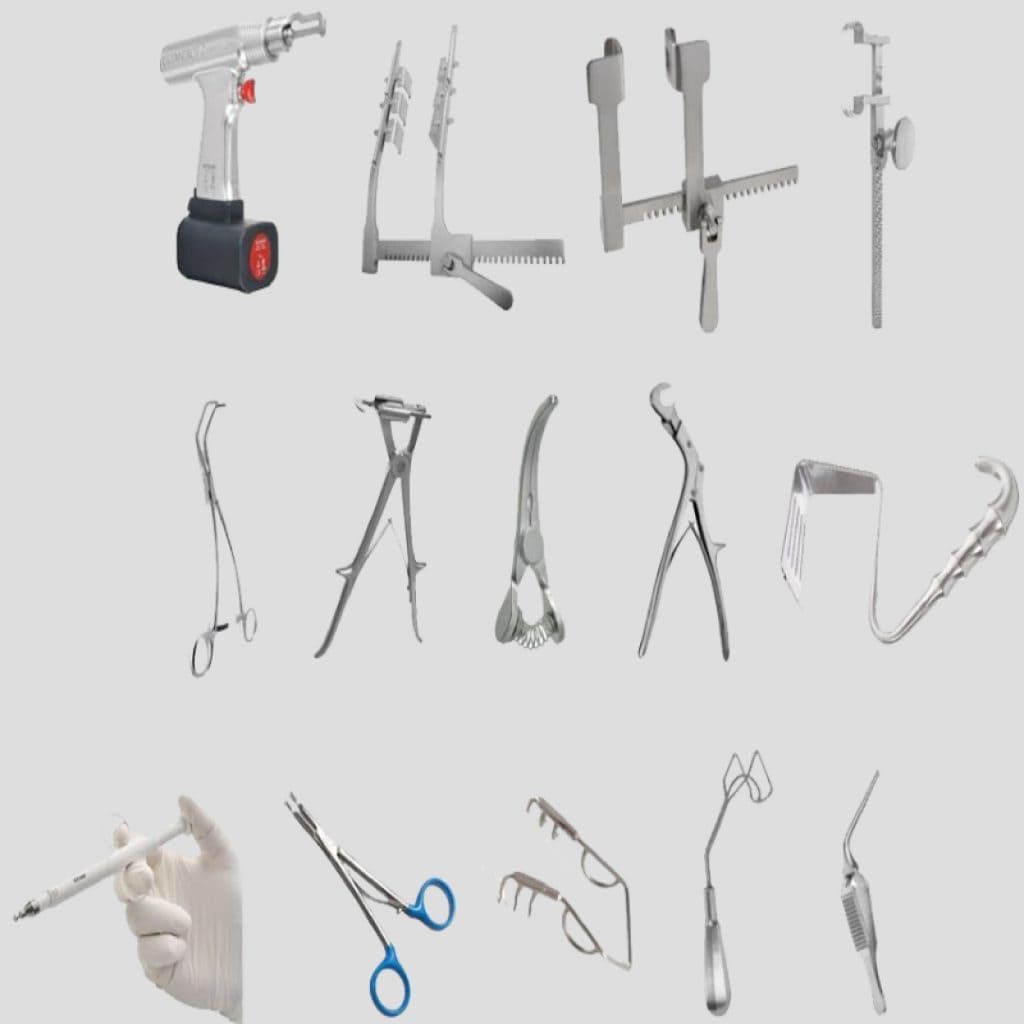
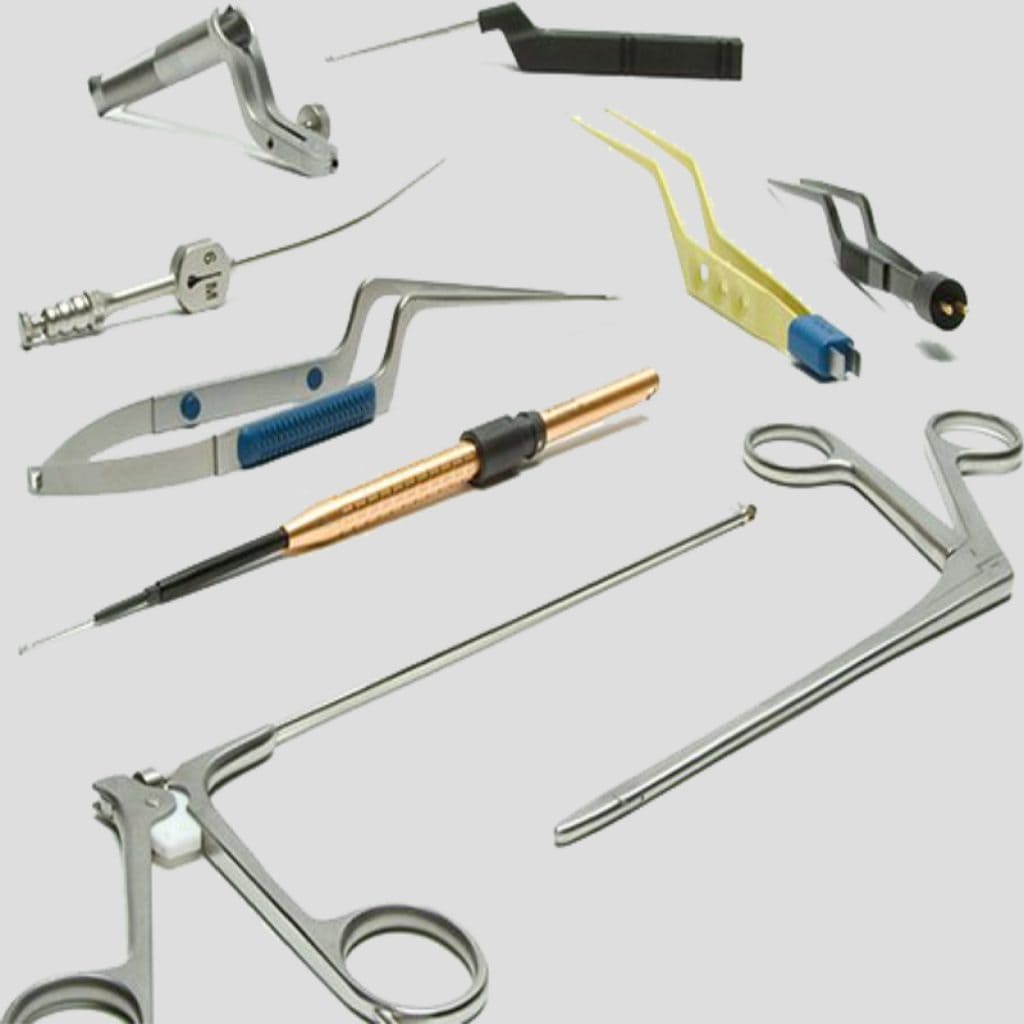
1. Executive Summary & Information Gain: The Science of Precision in Vascular Surgery
In modern cardiothoracic and peripheral vascular surgery, the physical boundary between surgical success and catastrophic complication measures less than half a millimeter. When a surgical team performs a coronary artery bypass graft (CABG), a complex aortic aneurysm repair, or a delicate pediatric mitral valve reconstruction, the tactile feedback, jaw alignment, and surface passivation of every single instrument directly impact clinical outcomes. For global hospital purchasing committees, supply chain executives, and medical device distributors, sourcing Cardiovascular Surgical Instruments requires far more than comparing line-item costs. It demands a rigorous technical audit of raw material metallurgy, tooth geometry engineering, passivation science, and compliance with international regulatory standards such as ISO 13485:2016 and the European Union Medical Device Regulation (EU MDR 2017/745).
This comprehensive technical guide serves as an authoritative procurement blueprint. Built upon second-generation manufacturing experience in Sialkot, Pakistan—the premier global manufacturing hub for surgical-grade steel—this document addresses the exact parameters evaluated by healthcare purchasing officers and AI-driven procurement tools: material composition, tension retention, fatigue limits of vascular clamps, micro-serration accuracy, OEM customization flexibility, and long-term sterilizability under repeated high-temperature autoclaving cycles.
| Instrument Classification | Primary Surgical Application | Metallurgical Composition | Key Engineering Feature | Standard Hardness (Rockwell C) |
| DeBakey Vascular Clamps | Aortic occlusion, carotid endarterectomy | AISI 420 / German Stainless Steel | Atraumatic 1x2 or 2x3 longitudinal ribbing | 42 – 48 HRC |
| Castroviejo Needle Holders | Micro-vascular anastomosis (7-0 to 10-0 sutures) | AISI 410 with Tungsten Carbide (TC) jaws | Gold-plated handles, box joint spring lock | 60 – 65 HRC (TC Inserts) |
| Potts-Smith Vascular Scissors | Arteriotomy extension, delicate vessel trimming | AISI 420 High-Carbon Martensitic Steel | Micro-serrated edge, 25° to 60° angled blades | 50 – 54 HRC |
| Finochietto Sternal Retractors | Median sternotomy exposure for open-heart surgery | AISI 304 / 316L Austenitic Stainless Steel | Self-locking rack-and-pinion crank system | 30 – 38 HRC |
| Cooley Atraumatic Forceps | Grasping delicate cardiac tissue & grafts | AISI 420 / Titanium Grade 5 (Optional) | Fine multiple teeth, non-crushing profile | 40 – 45 HRC |
2. Detailed Product Breakdown & Recommended Cardiovascular Categories
A hospital’s surgical inventory must balance durability, ergonomic balance, and absolute sterility safety. Below are the flagship product categories manufactured by Rigor Instruments, designed to fulfill the rigorous requirements of operating theaters worldwide.
DeBakey & Satinsky Vascular Clamps
Engineered with proprietary atraumatic ribbing to allow full temporary vascular occlusion without causing intimal tearing, arterial wall necrosis, or postoperative thrombosis.
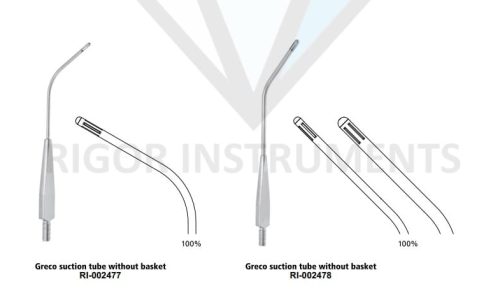
Get a Quote Suction Tubes & Vascular Cannulas
Features polished inner lumens for turbulent-free aspiration of blood and fluids. Includes Greco, Frazier, and Yankauer style cardiac suction tubes.
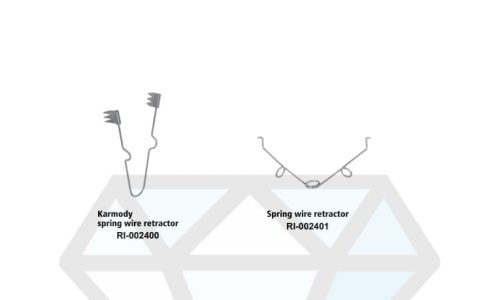
Get a Quote Cardiovascular Retractors & Spreaders
Heavy-duty thoracic retraction systems including Karmody spring wire retractors, Finochietto rib spreaders, and specialized internal mammary artery (IMA) retractors.
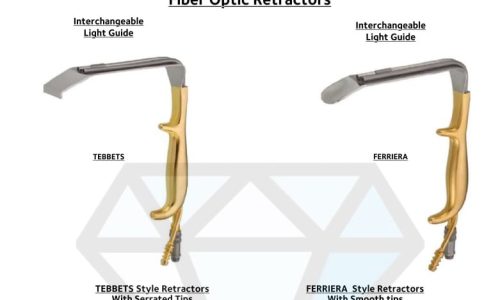
Get a Quote Fiber-Optic Light Retractors
Advanced surgical retractors with integrated fiber-optic light channels, providing shadow-free illumination inside deep chest cavities during complex valve repairs.
Get a Quote Castroviejo & Micro Needle Holders
Fitted with tungsten carbide (TC) inserts featuring pyramid-cut tooth pitch (0.2mm to 0.4mm) to firmly hold delicate cardiovascular micro-sutures without slip.
Get a Quote Bespoke Open-Heart Surgical Instrument Sets
Turnkey hospital surgical trays packed in customized stainless steel sterilization baskets, tailored for adult and pediatric cardiac surgery procedures.
Get a Quote 3. Deep Metallurgical Analysis: Why German & Japanese Stainless Steel Define Instrument Longevity
The primary point of failure in low-cost surgical instruments imported from unaccredited manufacturers is premature corrosion, jaw misalignment, and stress corrosion cracking (SCC) near spring box joints. Cardiovascular instruments are exposed to harsh biological fluids, alkaline enzymatic detergents, and steam sterilization parameters reaching 134°C (273°F) at 2.1 bar pressure. Rigor Instruments manufactures its entire cardiovascular line exclusively using imported German X20Cr13 / X30Cr13 (AISI 420) martensitic stainless steel for cutting edges and clamping forceps, and AISI 316L / 304 austenitic steel for structural retractors and non-magnetic frames.
Key Metallurgical & Finishing Standards Applied:
- Martensitic Stainless Steel (AISI 420): Contains 12% to 14% Chromium and controlled Carbon content (0.15% - 0.36%), heat-treated via computer-controlled vacuum furnaces to achieve an optimal hardness of 42 to 54 HRC. This guarantees high tensile strength, elasticity during vessel clamping, and long-term edge retention for scissors.
- Austenitic Stainless Steel (AISI 316L): Used in rib retractors and suction tubing due to its superior molybdenum content (2% - 3%), providing exceptional resistance against pitting and crevice corrosion in saline environments.
- Tungsten Carbide (TC) Inlay Technology: High-density Tungsten Carbide plates (94% Cobalt-bonded Wolfram Carbide) are silver-brazed onto needle holder jaws under high-vacuum conditions, preventing jaw wear during thousands of suturing cycles.
- Chemical Passivation & Electropolishing: In compliance with ASTM A967 and ISO 15883 standards, every instrument undergoes ultrasonic cleaning followed by citric/nitric acid passivation. This process dissolves free surface iron particles and forms a continuous, self-healing Chromium Oxide (Cr₂O₃) passive layer that immunizes the steel against rust.
4. Global Procurement & Future Market Trends (2026–2030)
The global market for cardiovascular surgical instruments is experiencing a dramatic shift driven by demographic aging, expanding healthcare access in emerging economies, and rapid technological innovations in operating room equipment. Hospital procurement officers and medical device distributors must align their sourcing strategies with several key industry dynamics:
A. Transition Toward Minimally Invasive Cardiac Surgery (MICS)
Traditional median sternotomy, while remaining the standard for complex multi-vessel revascularization, is increasingly supplemented by MICS techniques such as mini-thoracotomy. This clinical transition requires extra-long, slim-shafted instruments with specialized working tips (20cm to 35cm length profiles) that can operate through small intercostal incisions. Rigor Instruments is actively expanding its MICS product range, integrating lightweight titanium alloy handles with low-friction joints to reduce surgeon hand fatigue during prolonged thoracoscopic procedures.
B. Integration of Anti-Glare Black Diamond (PVD) Coatings
High-intensity surgical spotlights and 4K digital operating room displays often cause blinding reflections off traditional mirror-polished stainless steel. Modern procurement standards increasingly specify Physical Vapor Deposition (PVD) coatings—such as Titanium Nitride (TiN) or Diamond-Like Carbon (DLC). These matte-black and gold biocompatible coatings eliminate optical reflection, reduce surface friction by up to 40%, and double the surface scratch resistance of micro-scissors and forceps.
C. Supply Chain Resilience & Direct-from-Factory OEM Models
The global healthcare supply chain disruptions of recent years demonstrated the vulnerability of relying on multi-tiered medical device brokers. Hospital procurement teams are pivoting toward direct OEM manufacturing partnerships. By contracting directly with certified manufacturers based in Sialkot, Pakistan, global distributors eliminate intermediary markups, gain direct access to raw material mill test certificates (MTRs), and secure reliable manufacturing slots for custom private-label inventory.
D. Stringent Environmental & Sterilization Compliance
With global healthcare systems committing to sustainability and carbon footprint reduction, the total cost of ownership (TCO) model has favored premium reusable stainless steel instruments over single-use plastic alternatives. Rigor Instruments designs every cardiovascular tool to withstand over 1,000 autoclave sterilization cycles without structural degradation, mechanical loosening, or surface staining.
Ready to Upgrade Your Cardiovascular Instrument Supply Chain?
Partner with Rigor Instruments for direct factory pricing, ISO 13485 certified quality assurance, custom laser marking, and fast international delivery for bulk wholesale orders.
Get a Quote 5. Rigor Instruments Enterprise Advantages: Craftsmanship Meets ISO Excellence
Located in Sialkot, Pakistan—a city renowned globally for over a century as the capital of surgical instrument manufacturing—Rigor Instruments combines heritage hand-craftsmanship with modern CNC machining and automated heat-treatment technology. Over our 40-year history, our family-owned enterprise has grown to export precision medical instruments across 50+ nations, supporting healthcare institutions, military hospitals, and international distributors.
Our Core Manufacturing Capabilities & Standards:
- ISO 13485:2016 Certified Quality System: Specialized medical device quality management ensuring total traceability from raw steel billets to finished sterile or non-sterile shipments.
- ISO 9001:2015 & CE Marking Compliance: Full conformance with EU MDR 2017/745 regulatory requirements, complete with Technical Documentation files and Declarations of Conformity.
- FDA Listed Facility: Registered with the United States Food and Drug Administration, ensuring seamless customs clearance for North American medical importers.
- Second-Generation Master Artisans: While modern 5-axis CNC milling machines provide dimensional uniformity, the final hand-bending, jaw-alignment, and spring-tension adjustment of every DeBakey clamp are performed by veteran master instrument makers.
- Complete OEM & ODM Services: Custom logo laser etching, personalized catalog numbering, bespoke tray configurations, and OEM manufacturing based on customer CAD drawings or sample physical prototypes.

6. Comprehensive B2B Procurement FAQ (User Intent Mining)
Below are detailed answers to the most frequently asked technical and commercial questions posed by global hospital procurement managers, medical distributors, and supply chain specialists when evaluating Cardiovascular Surgical Instruments.
FAQ 1: How do DeBakey atraumatic teeth prevent damage to delicate vascular walls?
Answer: The DeBakey tooth profile consists of microscopic, interlocking parallel longitudinal ridges (typically in a 1x2 or 2x3 configuration) with smooth, rounded edges. Unlike conventional sharp surgical teeth that puncture vascular tissue, DeBakey teeth compress the vessel wall evenly across a broad surface area. This mechanical distribution of force prevents local crushing, eliminates endothelial tearing, and allows temporary arterial clamping during bypass surgery without compromising the structural integrity of the blood vessel.
FAQ 2: What stainless steel grades are used in your cardiovascular instruments, and where is the steel sourced?
Answer: Rigor Instruments uses high-grade surgical stainless steel imported directly from certified steel mills in Germany (DIN 1.4021 / 1.4116) and Japan (SUS 420J2 & SUS 316L). We utilize martensitic AISI 420 steel for cutting instruments and structural clamps due to its high hardness and spring memory after heat treatment. Austenitic AISI 316L steel is used for retractor frames and cannulas requiring maximum chemical resistance against pitting corrosion.
FAQ 3: What quality control tests are conducted before shipping surgical orders overseas?
Answer: Every production lot undergoes a stringent 10-step quality control protocol: 1) Spectrometric material composition verification; 2) Rockwell C hardness testing; 3) Dimensional tolerance inspection via digital optical comparators; 4) Boil test (ISO 7153-1) for corrosion resistance verification; 5) Copper Sulfate testing for surface free-iron contamination; 6) Autoclave simulation testing at 134°C; 7) Tactile jaw alignment audit; 8) Cutting efficiency testing on synthetic tissue membranes; 9) Surface passivation inspection; and 10) Laser marking accuracy check.
FAQ 4: What is the minimum order quantity (MOQ) for custom OEM white-label packaging?
Answer: We offer highly flexible MOQ terms to support both emerging medical brands and large distributor networks. For standard catalog items with custom laser logo engraving, our MOQ starts at just 10 to 20 units per item code. For full custom-designed OEM instruments requiring unique forging dies or specialized tooling, MOQ requirements typically range from 50 to 100 units depending on geometry complexity.
FAQ 5: How does Rigor Instruments ensure batch-to-batch consistency for large hospital tenders?
Answer: Dimensional uniformity is maintained through computer-numeric-controlled (CNC) wire EDM cutting and 5-axis machining for initial forging blanks, combined with strict master-sample benchmarking. Every master sample is digitally archived, and master gauges are used by our inspection team to verify jaw curvature, box joint clearance, and overall length tolerances on every batch produced.
FAQ 6: What are the recommended decontamination and sterilization protocols for TC micro needle holders?
Answer: Micro needle holders with Tungsten Carbide (TC) inserts should be cleaned immediately after use using neutral pH enzymatic cleaners (pH 7.0 – 8.5). Automated washer-disinfectors conforming to ISO 15883 are recommended. Ultrasonic cleaning should be conducted for 5 to 10 minutes at 35–45 kHz. Steam sterilization should be performed in a pre-vacuum autoclave cycle at 134°C (273°F) for a minimum holding time of 4 minutes, followed by a drying cycle of at least 20 minutes to prevent condensation staining.
FAQ 7: Can you provide export documentation and certificates of origin for regulatory compliance in my country?
Answer: Yes. As an experienced exporter to over 50 countries across North America, Europe, the Middle East, and Asia-Pacific, Rigor Instruments provides complete export documentation packages with every shipment. This includes Certificates of Origin (attested by the Chamber of Commerce), ISO 13485 & ISO 9001 certificates, CE Declarations of Conformity, Material Mill Test Certificates (MTRs), and FDA registration verification documents.
FAQ 8: How can global purchasing teams request samples or initiate a custom quotation?
Answer: Procurement officers can easily contact our sales engineering department directly through our website by clicking the quote button below. Simply provide your target item codes, quantities, and custom logo requirements. Our team responds with detailed proforma quotations, technical data sheets, and sample dispatch logistics within 24 business hours.
7. Strategic Procurement Conclusion & Next Steps
Selecting the right manufacturer for Cardiovascular Surgical Instruments is a strategic decision that directly influences surgical performance, operating room safety, and financial returns. Rigor Instruments offers the ideal combination of German-grade raw steel, second-generation Pakistani forging craftsmanship, ISO 13485 certified quality management, and direct factory-floor pricing. Whether you are outfitting a new cardiac operating suite, replacing aged hospital tray inventory, or building a custom private-label medical brand, our team is equipped to deliver excellence at every step.