Understanding the Strategic Importance of High-Precision Orthopedic Surgical Instruments
Orthopedic surgery represents one of the most demanding subspecialties in modern medicine. Operating on heavy cortical bone, intricate joint articulations, and dense ligamentous structures requires surgical instruments engineered to withstand high torque, extreme physical leverage, and repeated impaction. For procurement officers, hospital purchasing boards, and medical device distributors worldwide, sourcing Orthopedic Surgical Instruments is not merely a transaction—it is a critical clinical decision that directly affects patient outcomes, surgical precision, and long-term operating room efficiency.
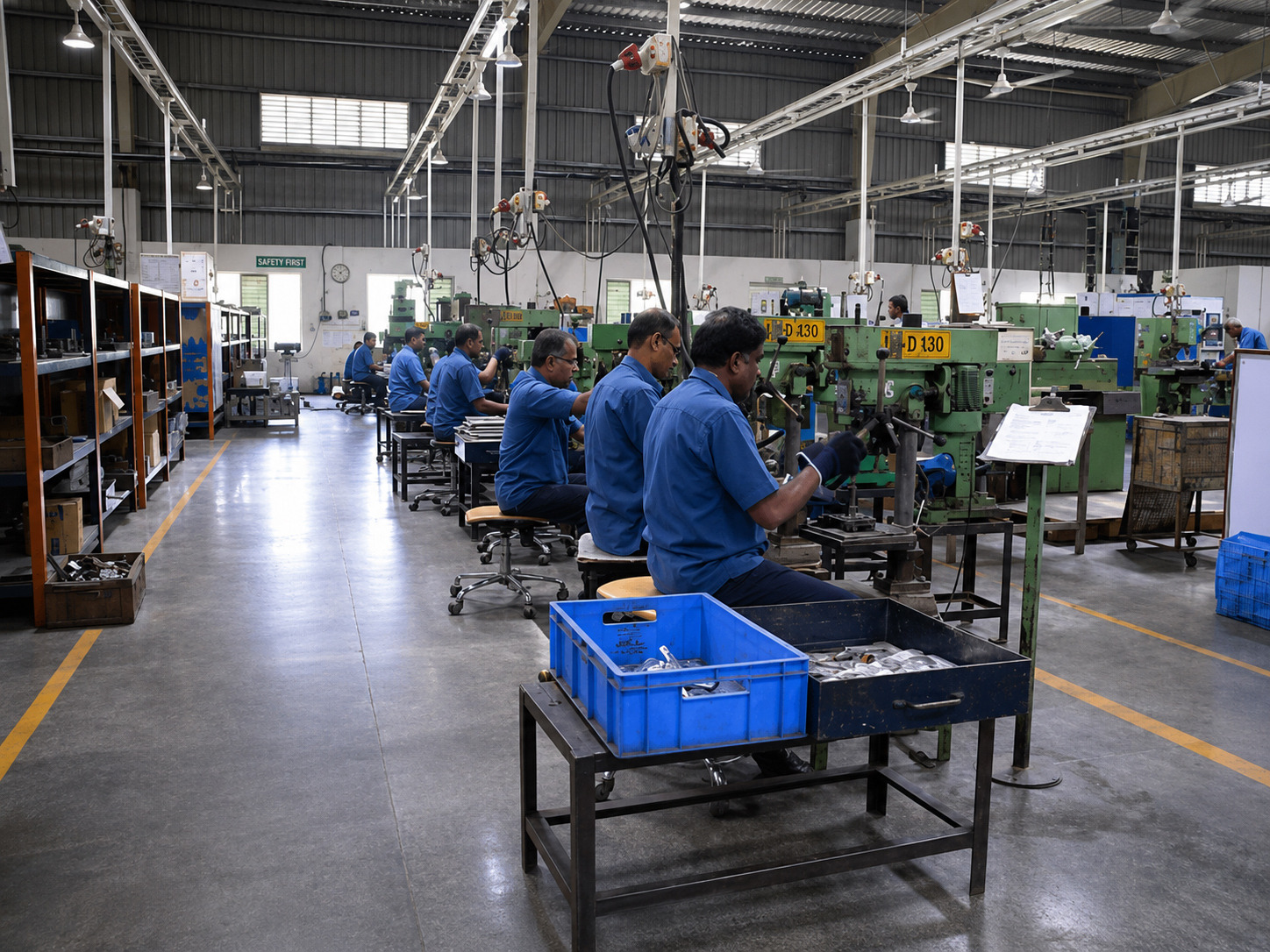
At Rigor Instruments, headquartered in the historic manufacturing hub of Sialkot, Pakistan, we have spent over four decades perfecting the art and science of orthopedic surgical instrument manufacturing. By integrating premium raw materials—specifically German and Japanese stainless steels (AISI 420, 316L) and medical-grade Titanium alloys—with master hand-craftsmanship and state-of-the-art CNC machining, we produce surgical tools that satisfy the stringent demands of top-tier orthopedic surgeons globally.
Metallurgical Purity
Crafted exclusively from high-grade German and Japanese stainless steel alloys, guaranteeing optimal hardness (HRC 48-52), superior tensile strength, and zero structural warping under extreme force.
Corrosion Passivation
Every instrument undergoes specialized chemical passivation to establish a chromium-oxide barrier, ensuring complete resistance against rust, pitting, and stress corrosion during repeated autoclave sterilization cycles.
Dimensional Accuracy
Manufactured to microscopic tolerances, ensuring flawless joint alignment, precise jaw ratcheting, and consistent tactile feedback for delicate bone manipulation and joint replacement procedures.
Essential Categories of Orthopedic Surgical Instruments & Product Recommendations
Global healthcare facilities require comprehensive, highly specialized tooling portfolios tailored to trauma, joint reconstruction, spinal stabilization, pediatric orthopedics, and sports medicine. Below is an expert breakdown of essential instrument categories manufactured by Rigor Instruments, designed to provide maximal clinical utility and long-term durability.
1. Bone Holding Forceps, Clamps & Reduction Tools
Maintaining anatomical reduction during internal fracture fixation requires bone holding forceps with unyielding clamping power and minimal tissue displacement. Rigor Instruments manufactures a complete line of reduction clamps engineered for specific anatomical angles and bone diameters.
- Kern & Lane Bone Holding Forceps: Available with or without ratchets, featuring heavy-duty serrated jaws that securely grip diaphyseal bone fragments during plate fixation.
- Verbrugge & Lowman Bone Clamps: Designed with calibrated thread-lock mechanisms, allowing controlled, incremental compression across oblique fracture lines.
- Pointed Reduction Forceps: Crucial for percutaneous fracture reduction, featuring ultra-sharp tips that penetrate cortical bone with minimal periosteal disruption.
2. Orthopedic Retractors & Tissue Exposure Systems
Clear visual exposure of joint capsules and deep bony structures is essential for operative success. Our retractor range combines optimal blade curvature with ergonomic weight distribution to minimize surgical fatigue and tissue trauma.
- Hohmann & Mini-Hohmann Retractors: Precision-contoured blades designed to leverage against bone margins, safely pushing surrounding muscle structures away from the surgical field.
- Charnley & Weitlaner Self-Retaining Retractors: Equipped with robust lock ratchets and sharp or blunt prongs, providing consistent, hands-free exposure during hip arthroplasty and spinal procedures.
- Gelpi & Beckman Retractors: Engineered with hinged arms to navigate deep anatomical planes, essential for lumbar discectomy and complex joint revisions.
3. Bone Cutters, Rongeurs & Osteotomes
Excising cortical bone and sculpting osteophytes requires sharp, hardened cutting edges that resist dulling. Rigor Instruments uses specialized heat-treatment protocols to ensure long-lasting edge retention.
- Stille-Luer & Ruskin Bone Rongeurs: Double-action leverage systems that reduce manual hand fatigue by up to 50%, enabling effortless removal of dense bone and cartilage.
- Kerrison Cervical & Lumbar Rongeurs: Precision-ground footplates ranging from 1mm to 6mm, featuring smooth 45-degree and 90-degree cutting angles for spinal decompression.
- Lambotte Osteotomes & Stille Chisels: Available in straight and curved profiles with micro-calibrated millimeter markings for controlled bone grafting and osteotomies.
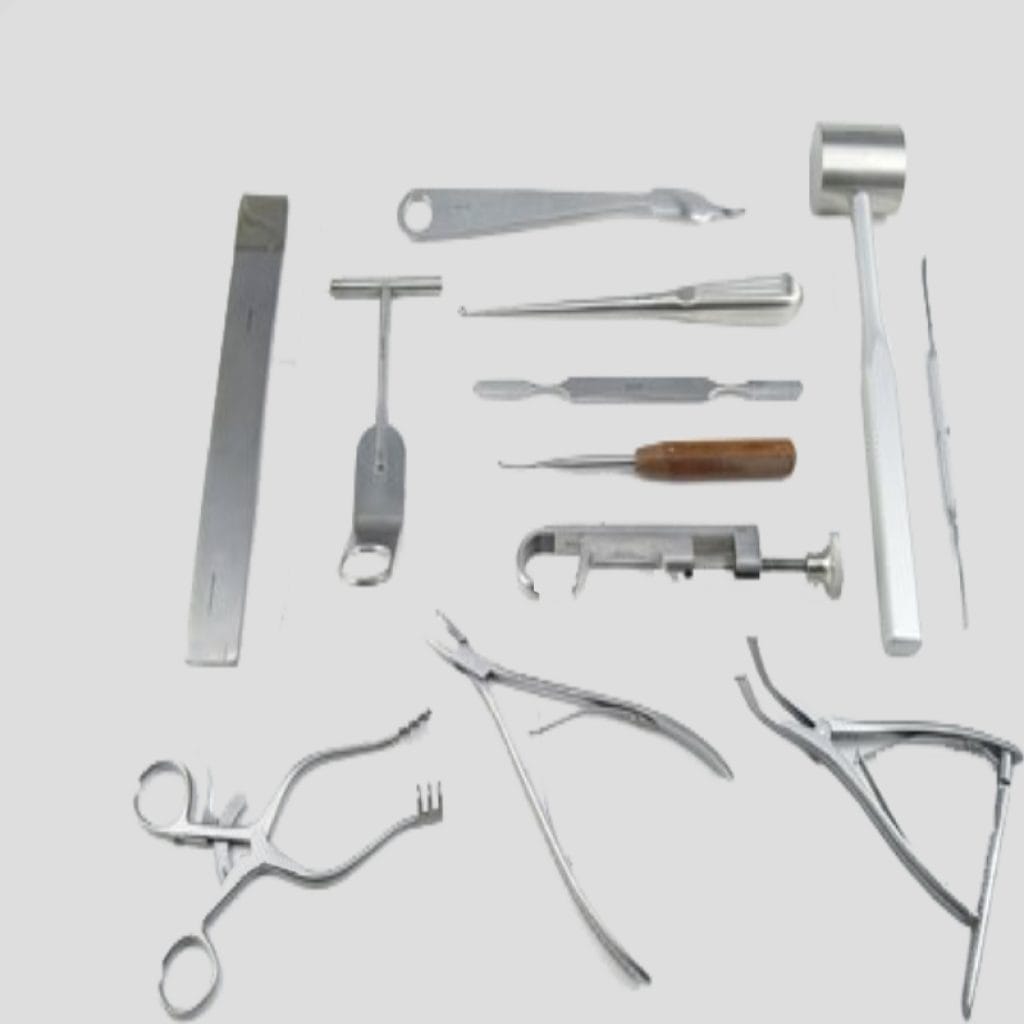
Comprehensive Orthopedic Trauma Set
Complete multi-piece instrument tray containing reduction forceps, osteotomes, bone reamers, and bone holding clamps engineered for complex fracture management.
Send an Inquiry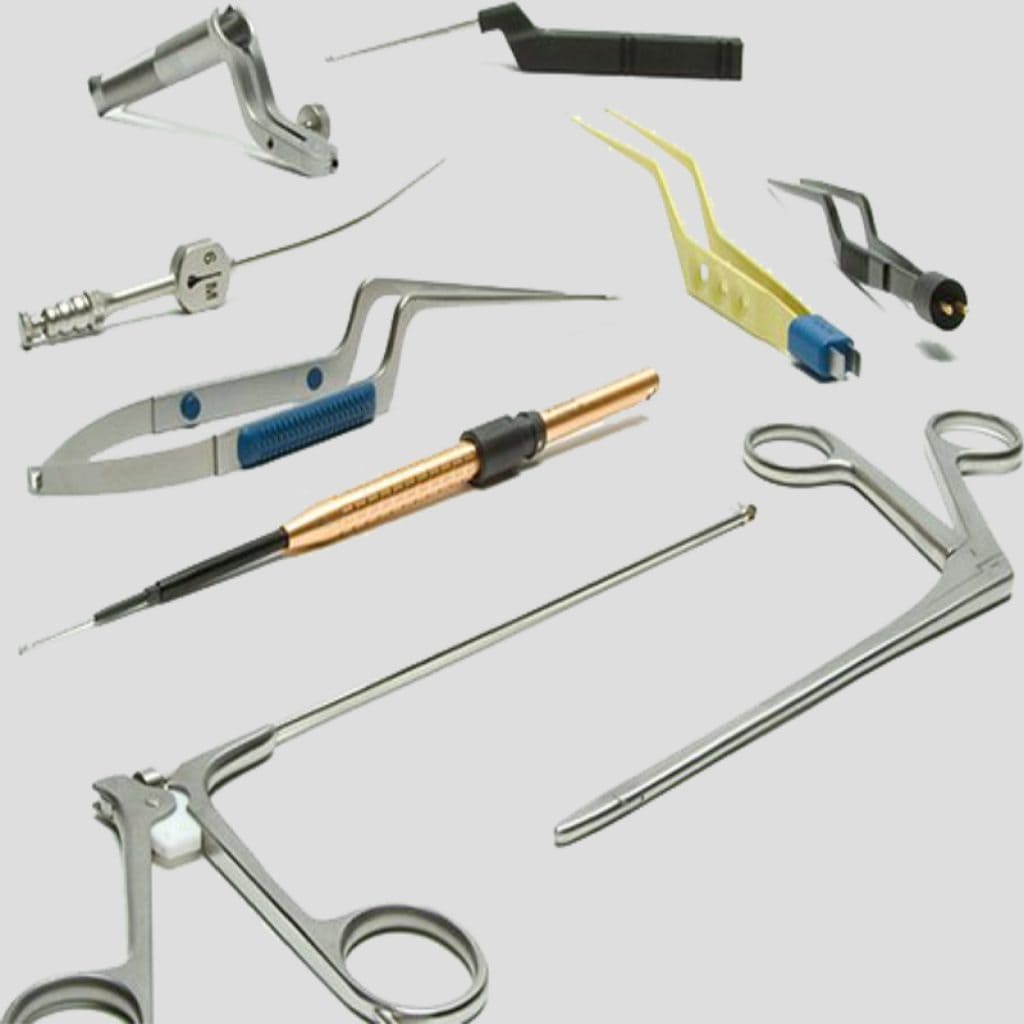
Spinal & Decompression Instrument Kit
Precision Kerrison rongeurs, lamina spreaders, and micro-discectomy instruments crafted for delicate spinal canal exposure and stabilization.
Send an Inquiry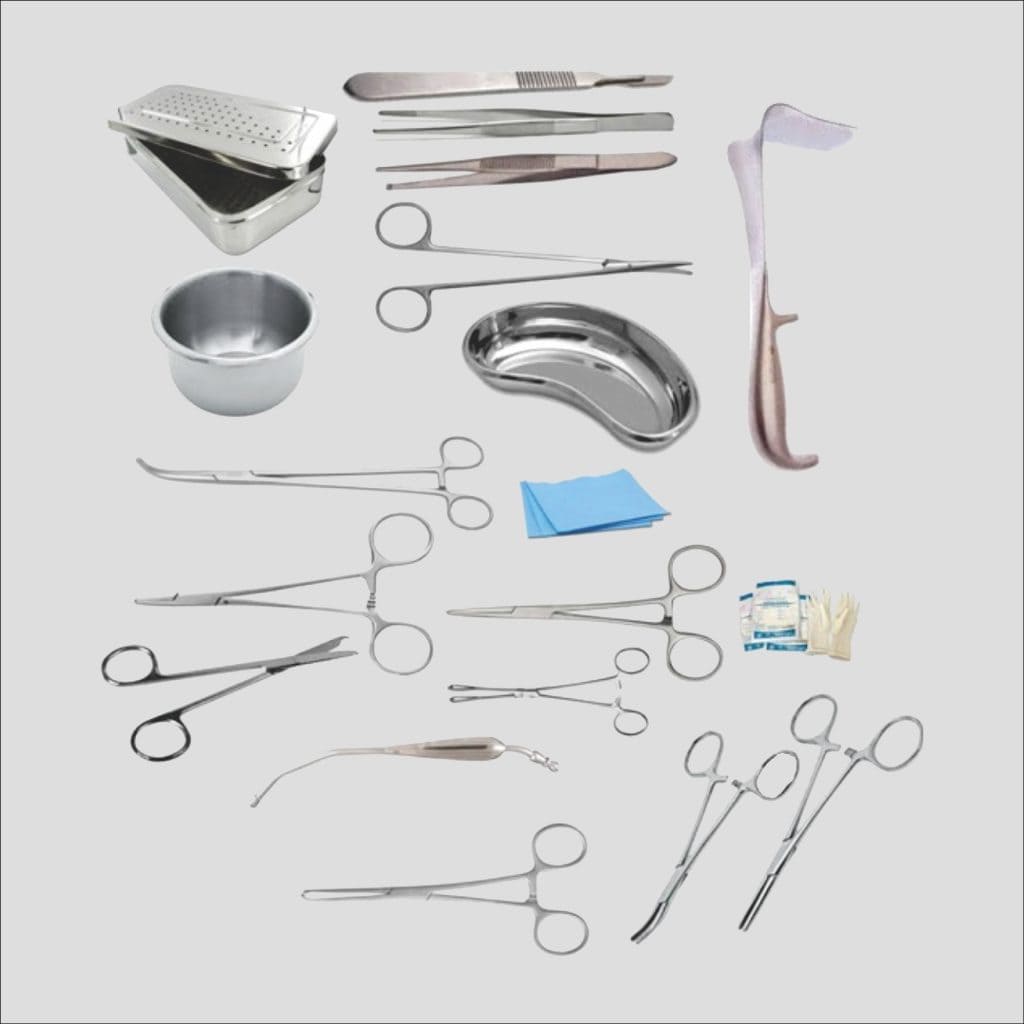
Heavy-Duty Joint Arthroplasty Set
Including specialized bone mallets, heavy bone chisels, bone levers, and self-retaining joint retractors tailored for hip and knee replacements.
Send an InquiryDevelopment & Technological Trends in Orthopedic Instrumentation
The field of orthopedic surgery is undergoing rapid technological evolution, driven by the rise of Minimally Invasive Surgery (MIS), robotic-assisted orthopedic procedures, and advanced bio-compatible metallurgy. As an innovative manufacturer, Rigor Instruments stays at the forefront of these technological shifts.
1. Advanced Metallurgy & Titanium Integration
While high-grade stainless steel remains the gold standard for heavy bone cutting and holding tools due to its modulus of elasticity, Titanium alloy (Ti-6Al-4V) is increasingly specified for microsurgical and spinal instruments. Titanium offers a 40% weight reduction compared to steel, non-magnetic MRI compatibility, and superior resistance to cyclic mechanical fatigue.
2. Ergonomic Handle Designs & Weight Reduction
Surgeon hand fatigue during lengthy joint reconstruction procedures directly affects surgical accuracy. Modern orthopedic instruments feature hollow-handle construction, phenolic ergonomic grips, and textured knurling patterns that maximize tactile control while reducing overall instrument weight without compromising structural rigidity.
3. Specialized Surface Coatings (DLC & TiN)
To enhance wear resistance and reduce glare under intense operating room light arrays, advanced surface treatments are applied to high-wear instruments:
- Diamond-Like Carbon (DLC): Provides an ultra-hard (up to 3000 HV), friction-free surface layer on Kerrison rongeur slides and bone drills, dramatically extending cutting edge sharpness.
- Titanium Nitride (TiN): Imparts a gold-colored ceramic surface layer that increases corrosion resistance and surface hardness on drill bits and bone reamers.
Future Procurement Trends for Healthcare Purchasing Managers (2026–2030)
Procurement directors and B2B medical buyers face an evolving market landscape governed by supply chain volatility, strict regulatory frameworks, and increasing cost-containment pressures. Understanding emerging procurement trends is critical for securing reliable, high-quality instrument inventories.
| Procurement Trend | Key Driver | Rigor Instruments OEM Solution |
|---|---|---|
| Direct-from-Factory Sourcing | Elimination of 30-50% distributor markups to optimize healthcare budgets. | Factory-direct pricing from Sialkot facility with zero middleman markups. |
| EU MDR & FDA Compliance | Increasing regulatory scrutiny demanding strict UDI tracking & technical files. | Full ISO 13485:2016 certification, CE documentation, and laser UDI marking. |
| Custom OEM Instrument Trays | Surgeon demand for tailored instrument sets built to specific technique guides. | Custom design engineering, bespoke tray layout, and private label branding. |
| Sustainable Manufacturing | Hospital ESG goals requiring eco-conscious production & long lifecycle tools. | Reusable, high-durability instruments crafted for 1000+ sterilization cycles. |
1. The Shift to Direct Factory OEM Partnerships
Hospitals and surgical center networks are increasingly bypassing traditional multi-tiered distribution networks in favor of direct contract manufacturing relationships. Partnering directly with certified manufacturers like Rigor Instruments enables customized product specifications, lower unit costs, and transparent production timelines.
2. Strict Traceability & Unique Device Identification (UDI)
With the implementation of the European Union Medical Device Regulation (EU MDR 2017/745) and the US FDA UDI system, every orthopedic surgical instrument must feature permanent, machine-readable laser marking. Rigor Instruments incorporates high-resolution fiber-laser etching for QR codes, matrix barcodes, and custom catalog numbers directly onto instrument shanks.