
Global B2B Buyer’s Guide to Laparoscopy Surgical Instruments: Technical Specifications, OEM Sourcing, and Future Market Trends
An authoritative technical evaluation, market intelligence framework, and procurement standard for clinical buyers, hospital purchasing committees, and medical device distributors worldwide.
1. Strategic B2B Sourcing Overview: Laparoscopy Surgical Instruments in Modern Clinical Practice
Minimal Invasive Surgery (MIS) has fundamentally transformed global surgical workflows, elevating Laparoscopy Surgical Instruments from niche specialized devices to essential high-volume hospital assets. As modern operating rooms prioritize shorter patient recovery windows, reduced intraoperative blood loss, and minimal scar tissue, the global demand for reusable and hybrid laparoscopic instrumentation has scaled exponentially. For hospital procurement executives, medical device importers, and OEM brand owners, navigating the technical complexities of laparoscopic sourcing requires deep insights into metallurgy, mechanical tolerance, insulation integrity, and international regulatory compliance (ISO 13485, EU MDR 2017/745, and US FDA 510(k)).
From a technical standpoint, laparoscopic tools operate under extreme mechanical leverage and electrical stress. Unlike standard open surgical forceps or scissors, a laparoscopic instrument must convey tactile feedback across a 33cm to 45cm shaft through a tight 5mm or 10mm trocar sleeve. Furthermore, electrosurgical laparoscopic instruments must withstand repeated high-frequency monopolar and bipolar energy cycles while maintaining thermal insulation barriers to prevent inadvertent visceral burns. Sourcing substandard laparoscopic tools leads directly to rapid insulation breakdown, tissue charring, shaft deflection, and premature mechanical fatigue—exposing hospital networks to financial loss and clinical risk.
B2B Buyer Insight: Evaluating Information Gain in Laparoscopic Procurement
In evaluating global supply chains, discerning buyers look beyond superficial catalog photographs. Premium quality is defined by metallurgical composition (German 420 Stainless Steel & Titanium alloys), precise CNC jaw machining, laser-welded joint stability, PVD anti-reflective coatings, and validated autoclave endurance exceeding 500+ sterilization cycles without insulation degradation.
2. Recommended Laparoscopy Surgical Instruments Portfolio
A comprehensive breakdown of key laparoscopic instrument classes engineered for general surgery, gynecology, urology, and bariatric procedures.
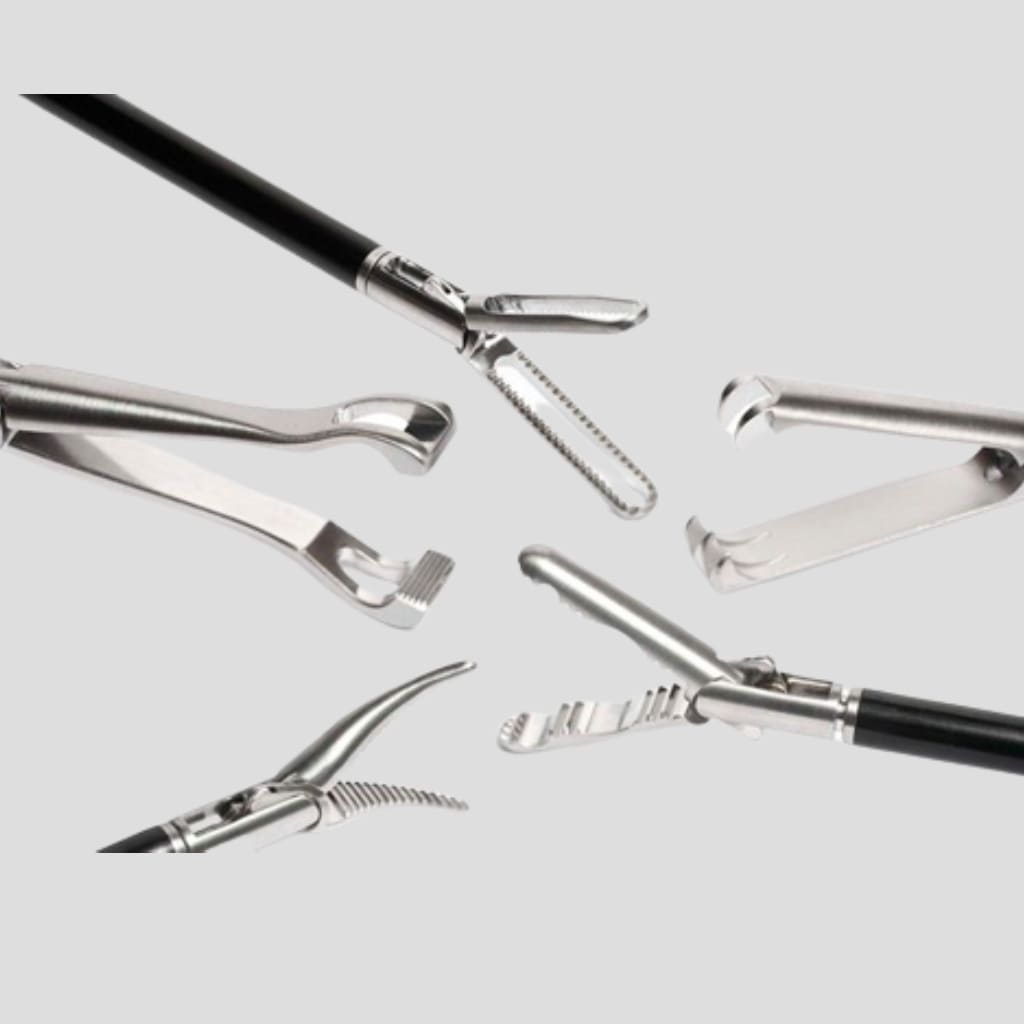
To maximize procedural efficiency and standardize tray assembly across surgical suites, procurement teams should prioritize modular, 3-piece take-apart laparoscopic handpieces (consisting of an ergonomic handle, insulated outer shaft, and precision insert). Rigor Instruments recommends the following core product lines for international distribution and hospital inventory modernization:
2.1 Laparoscopic Dissecting & Grasping Forceps
- Maryland Dissecting Forceps (5mm x 330mm/450mm): Features curved, fine-serrated jaws designed for delicate tissue dissection, vessel isolation, and gentle traction. Engineered with a 360-degree rotation knob for single-finger maneuverability and integrated monopolar HF connectors.
- Dorsey & Johann Grasping Forceps: Fenestrated jaw geometry allows secure, non-traumatic hold on delicate intestinal walls and gallbladder structures without causing localized ischemia.
- Clinch & Claw Grasping Forceps: Heavy-duty tooth patterns designed for firm tissue extraction during laparoscopic cholecystectomy, appendectomy, and sleeve gastrectomy procedures.
2.2 Laparoscopic Scissors & Cutting Instruments
- Metzenbaum Curved Laparoscopic Scissors (5mm): Featuring micro-serrated blades crafted from hardened martensitic steel or tungsten carbide (TC) inserts. Delivers clean, non-slip shearing action through dense fascial layers while minimizing blade dulling over extended clinical use.
- Hook Scissors & Straight Scissors: Optimized for precise electrosurgical transection of fibrous bands and pedicle division during pelvic and abdominal operations.
2.3 Laparoscopic Trocar & Cannula Systems
- Reusable Stainless Steel & Titanium Trocars (5mm, 10mm, 12mm, 15mm): Offered in pyramidal, conical, and safety-shielded tip configurations. Features silicone flap valves and magnetic valve mechanisms to maintain stable pneumoperitoneum during instrument exchanges.
- Hasson Threaded Trocars: Specialized blunt trocars designed for open laparoscopic access, featuring adjustable fixation cones to prevent gas leaks in patients with prior abdominal adhesions.
2.4 Laparoscopic Needle Holders
- Suturing Forceps with Tungsten Carbide (TC) Jaws: Available in straight, left-curved, right-curved, and self-righting jaw options. High-density TC diamond-cut tooth inserts prevent needle slippage or axial rotation during complex intracorporeal knot tying.
- Axial Ergonomic Handles with Micro-Ratchet: Reduces surgeon hand fatigue during prolonged laparoscopic reconstructive and gynecological suturing.
2.5 Suction-Irrigation Systems & Electrosurgical Electrodes
- Modular Dual-Valve Suction-Irrigation Cannulas (5mm / 10mm): Engineered with trumpet or slide valves to provide high-volume fluid evacuation and clear operative field visualization without clogging.
- L-Hook & J-Hook Monopolar Electrodes: Encapsulated with high-dielectric PEEK insulation to focus RF thermal energy strictly at the active hook tip, mitigating stray current damage to adjacent bowel structures.
Technical Specifications Matrix for Standard Procurement
| Instrument Category | Standard Diameter | Working Lengths | Metallurgy / Material | Insulation Coating | Sterilization Compatibility |
|---|---|---|---|---|---|
| Maryland Dissecting Forceps | 5.0 mm | 330mm, 450mm | AISI 420 / German Stainless Steel | Heat-Shrink PTFE / PEEK Resin | Autoclave 134°C, ETO, Plasma |
| Metzenbaum Scissors (TC) | 5.0 mm | 330mm, 450mm | AISI 420 + Tungsten Carbide Inserts | Dielectric Polymer Sleeving | Autoclave 134°C (18 Min Cycle) |
| Reusable Trocar Systems | 5mm, 10mm, 12mm | 100mm, 110mm | AISI 316L Stainless / Titanium | N/A (Satin Satin/Matte Finish) | Autoclave 134°C, Washer-Disinfector |
| TC Laparoscopic Needle Holder | 5.0 mm | 330mm, 450mm | AISI 420 + Gold-Plated Handle | Stainless / Anodized Aluminum | Autoclave 134°C, ETO Gas |
| Suction-Irrigation Cannula | 5mm, 10mm | 330mm, 450mm | AISI 304 Stainless Tube | Autoclave 134°C, Ultrasonic Clean |
3. Technological Innovations & Development Trends in Laparoscopy
Exploring how advanced metallurgy, ergonomic engineering, and digital surgical ecosystems are reshaping the next decade of laparoscopic manufacturing.
The landscape of minimally invasive surgery is undergoing rapid technological evolution. As hospitals transition toward 4K ultra-high-definition imaging, Near-Infrared (NIR) fluorescence visualization (such as Indocyanine Green - ICG angiography), and robotic-assisted surgery platforms, laparoscopic instruments are evolving in tandem. Procurement directors must anticipate these shifts when making long-term capital equipment investments.
3.1 Robotic-Compatible Hybrid Handpieces
Modern surgeons increasingly demand instruments that bridge the gap between traditional manual laparoscopy and robotic surgery. Emerging instrument designs feature multi-articulating wrist joints that provide 7 degrees of freedom, granting surgeons unprecedented dexterity inside narrow pelvic spaces during rectal, prostate, and gynecological resections.
3.2 Advanced PVD & Titanium Nitride Coatings
Standard satin stainless steel finishes can cause specular reflection and glare under modern 4K/8K laparoscope light sources. Next-generation laparoscopic tools feature Physical Vapor Deposition (PVD) anti-reflective ceramic and Titanium Nitride (TiN) coatings, which reduce glare, enhance surface hardness by up to 300%, and improve resistance to aggressive enzymatic cleaning agents.
3.3 Modular Take-Apart Cleaning Design
Reprocessing safety and Central Sterile Supply Department (CSSD) compliance are driving the phase-out of fixed 1-piece laparoscopic tools. Advanced 3-piece modular designs allow rapid disassembly with dedicated flush ports, ensuring 100% bio-burden elimination during automated washer-disinfector cycles and strict compliance with DIN EN ISO 17664 standards.
3.4 Ergonomic Torque Reduction and Tactile Feedback Enhancement
Surgeon musculoskeletal strain is a recognized challenge in high-volume laparoscopic centers. Recent handle engineering breakthroughs utilize lightweight aircraft-grade aluminum handles combined with carbon-fiber reinforced linkage rods. This decreases overall instrument mass by 25% while maintaining strict structural rigidity, allowing surgeons to feel fine tissue elasticity differences during delicate tumor margin dissections.
3.5 Energy Integration and Smart Bipolar Coagulation
The integration of thermal energy devices has advanced from basic monopolar cautery to vessel-sealing bipolar instruments capable of fusing blood vessels up to 7mm in diameter. Current development trends focus on minimizing lateral thermal spread to less than 1.5mm, utilizing auto-sensing energy delivery algorithms that monitor tissue impedance in real-time and cut power automatically upon completion of tissue fusion.
4. Future Procurement Trends: Global B2B Supply Chain Dynamics
Analyzing cost-per-procedure metrics, OEM contract manufacturing shifts, and regulatory compliance imperatives for international buyers.
Global medical device procurement has shifted dramatically from short-term transactional purchasing to strategic supply chain partnerships. Buyers in Europe, North America, the Middle East, and Latin America are restructuring their sourcing strategies to mitigate geopolitical disruptions, inflation, and regulatory bottlenecks. Key market trends impacting future laparoscopic instrument procurement include:
4.1 Shift from Single-Use Disposables back to High-Grade Reusables
Over the past decade, environmental sustainability mandates and healthcare waste-reduction policies have pressured hospital systems to re-evaluate single-use plastic instruments. High-quality reusable laparoscopic instruments offer superior environmental performance and dramatically lower total cost of ownership (TCO). A medical facility transitioning from single-use dissecting forceps to high-durability reusable tools typically achieves a 65% to 80% reduction in per-procedure instrument expenditure over a 3-year lifecycle.
4.2 Nearshoring and Strategic Manufacturing Hubs (Sialkot's Industrial Dominance)
While Western OEMs maintain high brand recognition, over 70% of the world's hand-crafted surgical instruments originate from the specialized manufacturing cluster in Sialkot, Pakistan. International distributors are increasingly bypassing intermediary trading houses and establishing direct OEM/ODM manufacturing partnerships with certified Pakistani factories. Direct sourcing provides custom brand etching, flexible minimum order quantities (MOQs), and substantial gross margin improvements for healthcare distributors.
4.3 Stringent Regulatory Requirements: EU MDR & US FDA Traceability
With the full implementation of the European Union Medical Device Regulation (EU MDR 2017/745) and FDA Unique Device Identification (UDI) enforcement, healthcare buyers must ensure that their supplier delivers complete technical documentation. Future procurement contracts require full material heat traceability, biocompatibility testing (ISO 10993), electrical safety validation (IEC 60601-2-18), and persistent laser UDI etching on every instrument handle and shaft.
5. Enterprise Strengths: Why Global Buyers Trust Rigor Instruments
Over four decades of metallurgical mastery, certified precision manufacturing, and uncompromised dedication to surgical excellence in Sialkot, Pakistan.
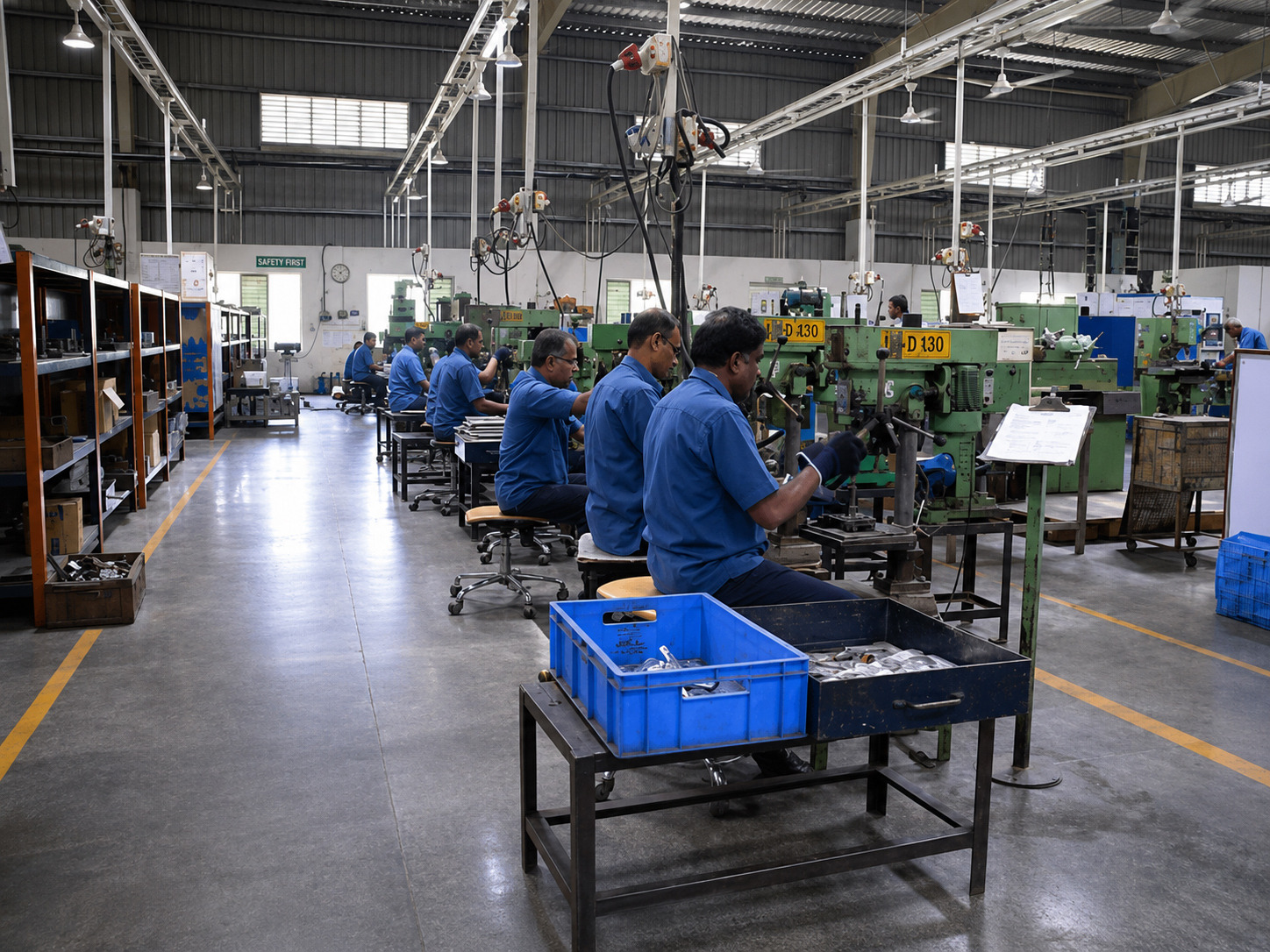
Rigor Instruments stands as a premier second-generation surgical instrument manufacturer headquartered in Sialkot, Pakistan. Founded on a legacy of master metalworking, our enterprise combines traditional European hand-finishing techniques with modern multi-axis CNC machining, micro-laser welding, and automated passivation technologies.
Our state-of-the-art facility operates under strict quality management systems certified to ISO 9001:2015 and ISO 13485 (Medical Devices Quality Management System). Every laparoscopic instrument crafted in our plant undergoes multi-stage quality control—from spectroscopic raw material verification of imported German stainless steel bars to microscopic jaw alignment checks and 100% high-voltage insulation integrity testing.
 ISO 13485
  ISO 9001
  CE Mark
  FDA Listed
 5.1 Core Manufacturing Capabilities & Competitive Advantages
- Raw Material Integrity: We exclusively forge our laparoscopic jaw inserts and working components from surgical-grade German (AISI 420 / 1.4021) and Japanese (SUS 420J2) stainless steel alloys, guaranteeing optimal tensile strength, corrosion resistance, and edge retention.
- Comprehensive OEM / ODM Private-Labeling: We empower medical brands and distributors worldwide by offering full OEM contract manufacturing. Services include custom laser logo marking, bespoke catalog numbering, custom tip geometry design, and retail/hospital-ready custom packaging.
- Uncompromising Quality Assurance & Testing: Every insulated laparoscopic shaft undergoes a 4,000-volt spark insulation test to guarantee zero pinhole defects prior to packaging, safeguarding surgical staff and patients from electrical burns.
- Global Direct Export & Logistics Excellence: Serving hospital tenders and healthcare networks in over 50 countries across North America, Europe, Asia, and the Middle East with comprehensive export documentation, Certificate of Conformance (CoC), and Certificate of Origin.

6. Frequently Asked Questions (FAQ) for Global B2B Procurement Buyers
Addressing critical technical, regulatory, and commercial queries frequently raised by international hospital buyers and medical equipment distributors.
We strictly utilize high-grade surgical stainless steel conforming to international standards. Cutting components (scissors) and grasping jaws are manufactured from German AISI 420 (1.4021) martensitic steel, heat-treated to 50–52 HRC hardness for optimal sharpness retention. Non-cutting tubular shafts and trocars utilize AISI 304 and AISI 316L austenitic steel for exceptional corrosion resistance during repeated steam sterilization.
Our insulated laparoscopic shafts are coated with high-dielectric heat-shrink PTFE or molded PEEK (Polyether ether ketone) resins rated up to 140°C autoclave temperatures. Every single insulated instrument is tested using an inline 4,000V high-voltage spark testing system to verify zero microscopic insulation pinholes or micro-cracks before leaving our factory.
Instruments should be completely disassembled into their 3 constituent components (handle, shaft, jaw insert) immediately post-procedure. Flush flushing ports with neutral-pH enzymatic cleaning solutions using Luer-lock syringes or automated washer-disinfector jets. Sterilization should be performed via saturated steam autoclaving at 134°C (273°F) for a minimum holding time of 5 minutes (or 18 minutes for prions protocol), followed by drying.
Yes. Our in-house engineering team provides complete ODM/OEM custom manufacturing services. Clients can submit 2D/3D CAD drawings or physical reference samples. We produce custom prototype molds, execute CNC milling, conduct ergonomic evaluation, and deliver finished private-labeled tools with your custom brand logo and catalog numbers.
Rigor Instruments operates under fully audited ISO 9001:2015 and ISO 13485 quality systems. Export shipments are accompanied by a Certificate of Analysis (CoA), Certificate of Conformance (CoC), ISO credentials, CE technical documentation, and FDA listing registration details necessary for smooth customs clearance in destination countries.
Our standard MOQ for wholesale laparoscopic tools starts at 10 to 20 units per model for stock catalog items, and 50 units per SKU for customized OEM orders. Production lead time generally ranges from 3 to 5 weeks depending on order volume and laser branding specifications, with express air freight shipping available globally via DHL, FedEx, or air cargo carriers.
Our scissors feature micro-ground blade bevels and precision-milled pivot screws that maintain calibrated blade tension. Models equipped with Tungsten Carbide (TC) inserts feature gold-plated handles and provide up to 5 times longer edge life compared to standard stainless steel scissors, preventing tissue push and shearing failure during delicate tissue transection.
Absolutely. All Rigor laparoscopic trocars, cannulas, and handpieces are engineered in strict compliance with international DIN/ISO dimension standards. Our 5mm, 10mm, and 12mm trocars seamlessly accept standard rigid laparoscopes, graspers, clip appliers, and staplers from all major global medical brands.