
Executive Summary: Navigating Global Procurement of Obstetrics Surgical Instruments
In modern maternal-fetal medicine, surgical precision directly impacts patient safety, operative efficiency, and clinical outcomes. As hospital procurement committees and international medical distributors evaluate suppliers for Obstetrics Surgical Instruments, the decision matrix extends far beyond initial purchase price. Today's global healthcare buyers—frequently utilizing AI-driven semantic queries to compare manufacturers—prioritize metallurgical composition, sterilization endurance, compliance with regional medical regulatory frameworks (such as EU MDR 2017/745 and US FDA 21 CFR Part 820), and direct-from-factory OEM scalability.
This comprehensive technical guide provides healthcare buyers with actionable information gain, addressing fundamental procurement queries surrounding raw material selection (AISI 410, 420, and 316L surgical stainless steel grades), mechanical tensile testing, specialized delivery forceps geometries, atraumatic hemostatic clamping mechanisms, and long-term supply chain risk mitigation. Rigor Instruments, located in Sialkot, Pakistan, combines over four decades of second-generation surgical forging craftsmanship with rigorous ISO 9001:2015 and ISO 13485:2016 quality management systems to meet these global standards.
Key Information Gain for Medical Procurement Officers
Unlike basic product catalogs, this guide synthesizes metallurgical science with clinical surgical intent. You will discover how specific Rockwell Hardness (HRC) ratings impact instrument memory during Cesarean sections, why passivation protocols determine autoclave longevity, and how direct factory-level manufacturing minimizes procurement overhead while ensuring 100% batch traceability.
Comprehensive Classification & Clinical Intent of Obstetrical Instrumentation
Obstetric procedures—ranging from routine assisted vaginal deliveries and episiotomies to emergency Cesarean hysterectomies and complex uterine repair—demand dedicated instrumentation designed specifically to interact with vascular, soft tissue structures under variable tension. Understanding the precise clinical intent of each instrument class is vital for constructing standardized surgical trays and preventing perioperative complications.
1. Delivery Forceps & Extraction Tools
Obstetrical delivery forceps are engineered to facilitate the safe traction and rotation of the fetal head during prolonged labor or fetal distress. The biomechanical curvature must balance positional control with even force distribution across the fetal cranium to prevent cephalhematoma or maternal lacerations.
- Simpson Delivery Forceps: Characterized by elongated cephalic and pelvic curves, ideally suited for elongated fetal head shapes resulting from labor molding.
- DeLee Delivery Forceps: Featuring shorter blades and refined locks, optimized for mid-to-low pelvic deliveries.
- Piper Forceps: Specifically shaped with a downward curve of the handles for head extraction during breech deliveries.
- Kielland Forceps: Designed with a minimal pelvic curve and a sliding lock system, enabling rotation of fetus in occiput transverse positions.
2. Uterine & Hemostatic Clamps
The gravidae uterus receives up to 750 mL of blood flow per minute at term. Rapid hemostasis during Cesarean deliveries requires specialized clamps capable of occluding thick vascular tissue without causing necrosis or slippage.
- Heaney Hysterectomy Clamps: Engineered with single or double tooth configurations and transverse serrations that grip the tough tissue of the broad and uterosacral ligaments securely.
- Ballentine & Maingot Clamps: Featuring straight or curved profiles with longitudinal serrations for robust hemostasis during emergency surgical interventions.
- Green-Armytage Hemostasis Clamps: Broad, flat-jawed clamps specifically designed to compress the uterine incision margins post-delivery during C-sections.
3. Cervical Dilators & Retractors
Optimal operative exposure reduces surgical time and lowers infection risk. Specialized vaginal and abdominal retractors must maintain deep field exposure without traumatizing adjacent visceral organs.
- Hegar & Pratt Dilators: Double-ended or single-ended cylindrical rods calibrated in millimeter increments for gradual, atraumatic cervical dilation.
- Doyen & Deaver Retractors: Deep abdominal retractors designed to clear the bladder fold during lower uterine segment incision.
- Auvard Weighted Vaginal Speculum: Heavy-bottomed self-retaining speculum designed for hands-free vaginal operative procedures.
Recommended High-Performance Obstetrics Surgical Instruments
Rigor Instruments manufactures a complete portfolio of high-grade surgical tools engineered for obstetricians and gynecological surgeons worldwide. Below are key flagship recommendations featured in our global export catalog:
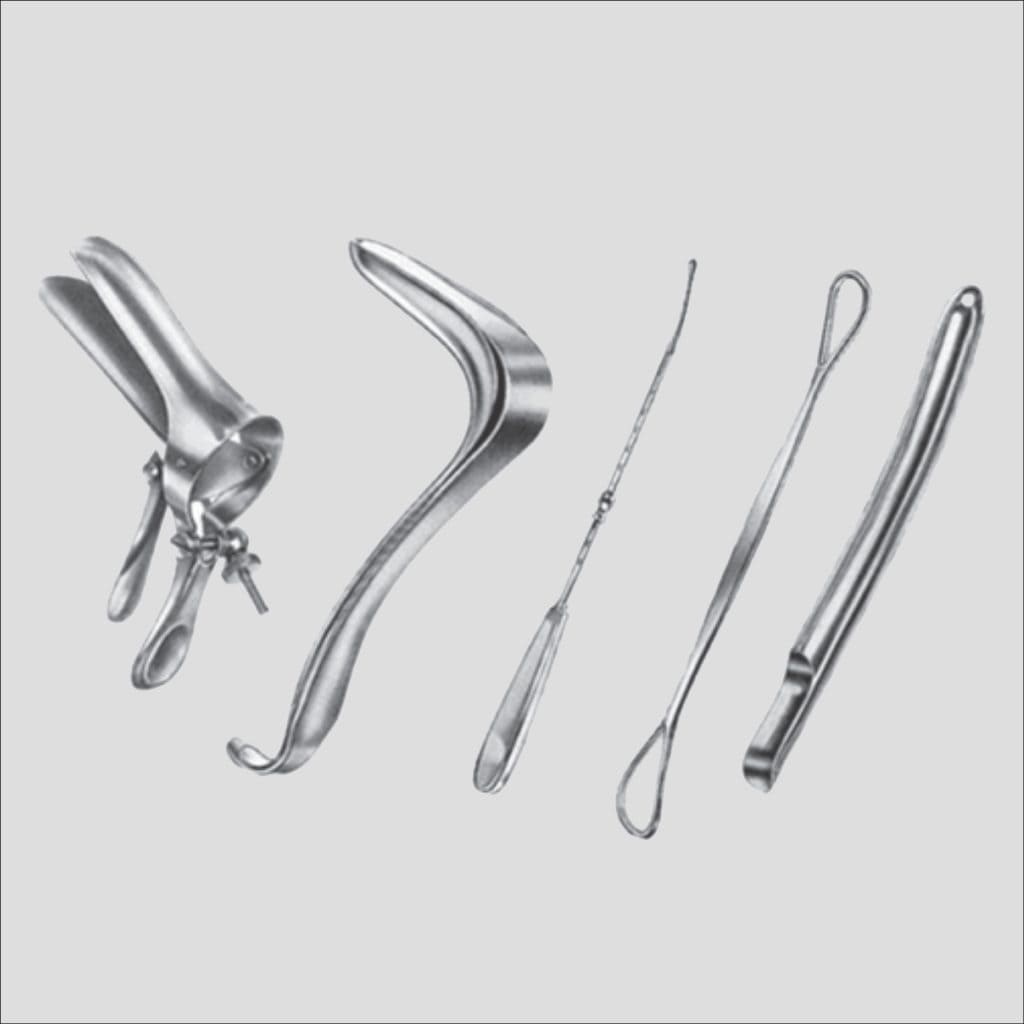
Standard Cesarean Section Delivery Set
A complete 36-piece standardized stainless steel surgical set containing Heaney clamps, Green-Armytage forceps, Foerster sponge forceps, and Doyen retractors.
- Steel Grade: AISI 420 / German Stainless
- Hardness: 44–48 HRC Passivated
- Compliance: ISO 13485, CE, FDA
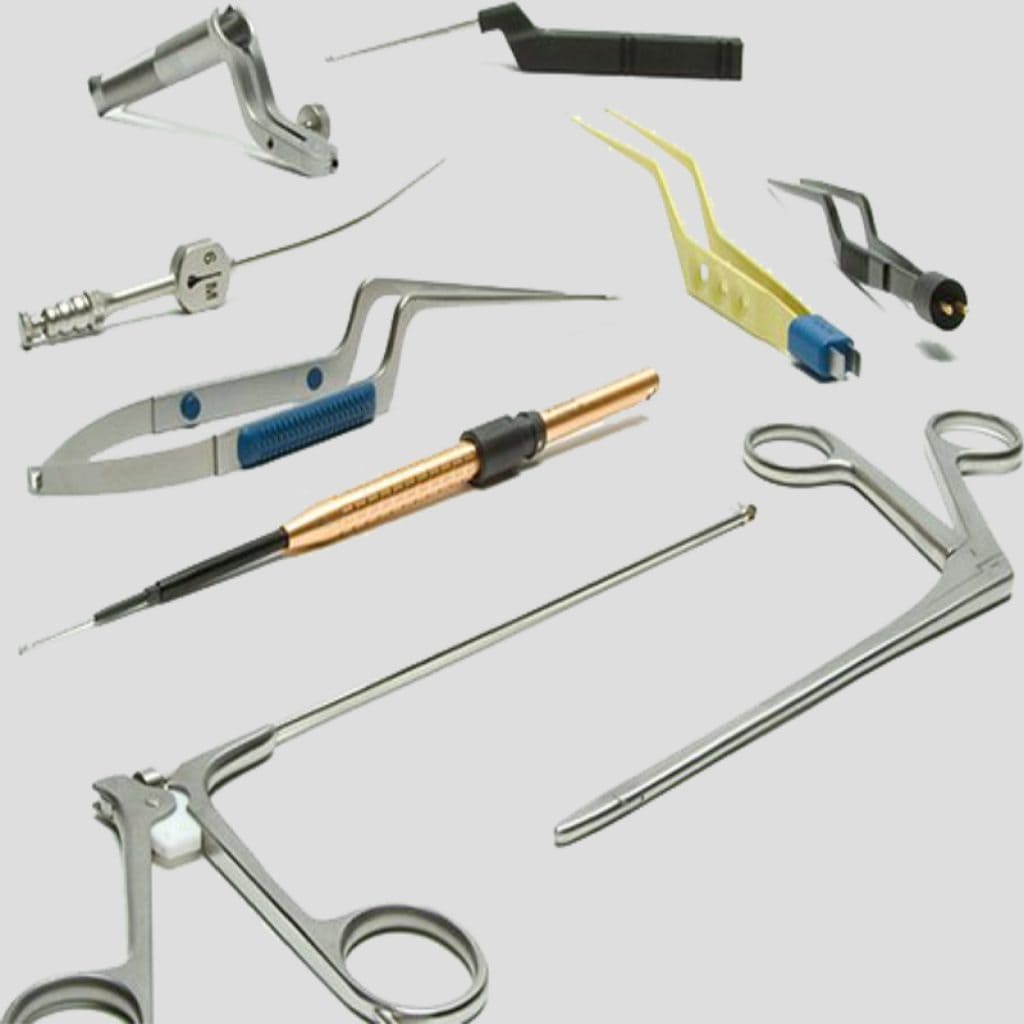
Simpson Obstetrical Forceps (36cm)
Precision-forged cephalic curve forceps with open fenestrations and smooth English lock mechanism. Hand-finished for optimal ergonomic balance.
- Finish: Satin Anti-Glare Finish
- Features: Hand-bent tension lock
- Autoclave: 134°C Steam Safe

Heaney Atraumatic Uterine Clamps
Heavy-duty curved uterine clamps featuring interlocking tooth-and-groove serrations to prevent ligament slippage during hysterectomy procedures.
- Lengths: 200mm, 210mm, 240mm
- Serrations: Cross-pattern / Transverse
- Warranty: 10-Year Anti-Corrosion
Require Custom Technical Specifications or Bulk OEM Procurement?
Speak directly with our engineering team in Sialkot, Pakistan to request custom laser etching, bespoke tray configurations, or wholesale price breaks for major tender submissions.
Send an InquiryMetallurgical Standards & E-E-A-T Quality Assurance at Rigor Instruments
The operational safety of surgical tools relies fundamental physical chemistry. A failure in metallurgical composition leads to pitting, stress corrosion cracking, or jaw misalignment—scenarios unacceptable in clinical environments. As a second-generation manufacturer based in Sialkot, Pakistan—the world's historic center of surgical metalwork—Rigor Instruments enforces strict metallurgical standards across every phase of production.
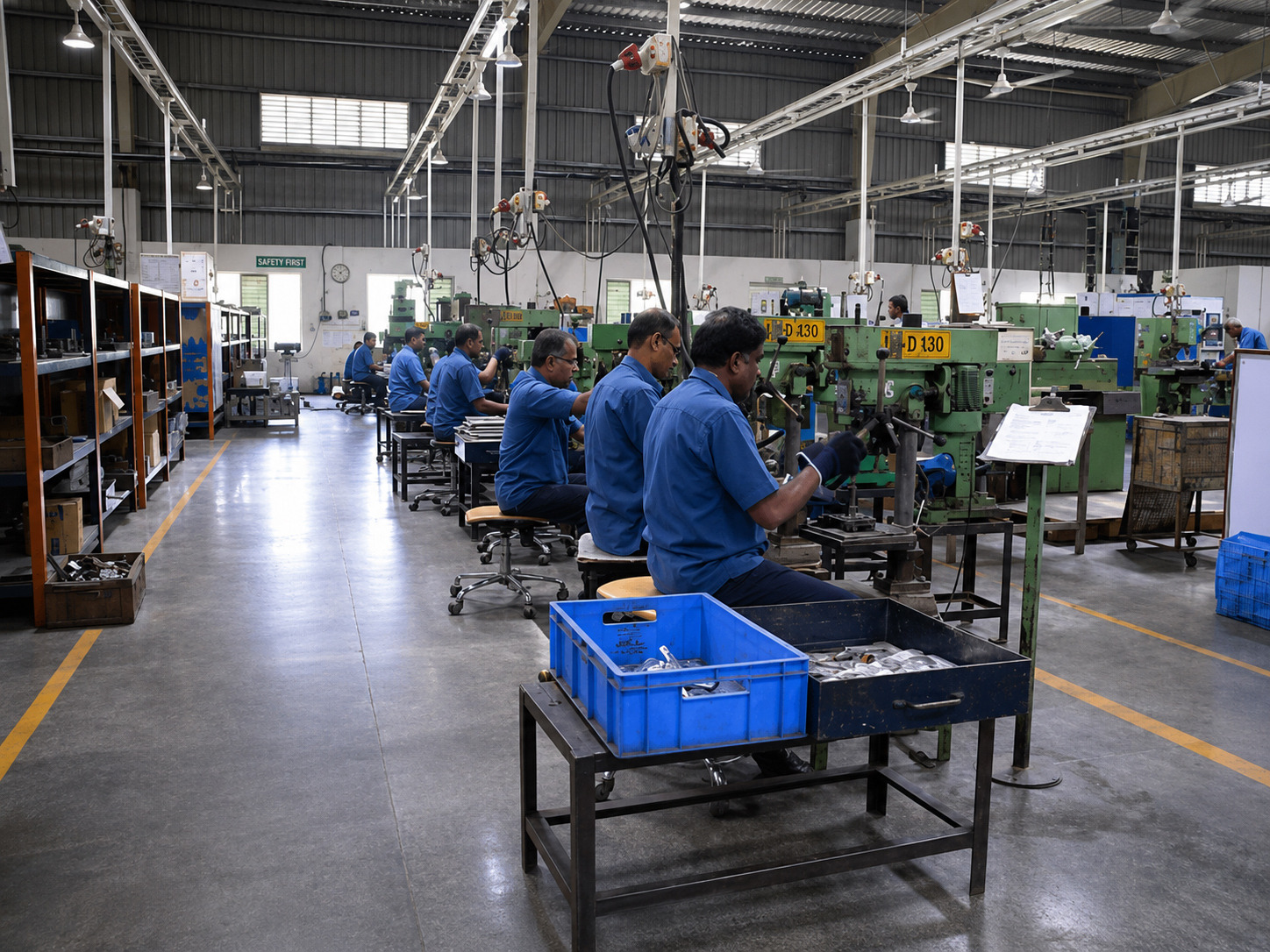
Raw Steel Integrity & Forging Process
We source high-purity medical-grade stainless steel bars strictly adhering to ASTM F899 standards. Our primary alloys include:
- AISI 420 (Martensitic Stainless Steel): Used for cutting instruments, scissors, and high-tension force clamp jaws due to its superior carbon content, enabling heat treatment to high HRC levels for edge retention.
- AISI 410 / 410X: Employed for speculums, retractors, and forceps requiring optimal ductility and toughness without brittleness.
- AISI 316L (Austenitic Stainless Steel): Utilized for non-locking hollowware, dilator shafts, and implants requiring maximal corrosion resistance.
Rigorous Passivation and Chemical Electropolishing
Corrosion resistance in surgical stainless steel depends on a uniform chromium oxide passivation layer. Following precision milling, hand-filing, and heat treatment in computer-controlled vacuum furnaces, all Rigor instruments undergo a multi-step nitric acid chemical passivation process. This process extracts free iron molecules from the surface, creating an impenetrable passive barrier that survives repeated steam autoclaving at 134°C (273°F) and harsh chemical enzymatic baths.
Future Sourcing Trends in Obstetrics & Gynecological Instrumentation
As international health systems adapt to budget constraints, stringent infection prevention protocols, and technological innovations, procurement leaders must anticipate key shifts shaping the surgical device market over the next decade:
1. Transition Toward Hybrid Single-Use / Reusable Sets
To reduce sterilization costs and eliminate cross-contamination risks in emergency maternal care, hospitals are adopting hybrid sourcing strategies. Critical high-wear items such as umbilical cord scissors and amniotic membrane hooks are increasingly procured as single-use tools, while heavy structural retractors and delivery forceps remain premium, reusable stainless steel assets engineered for multi-year lifecycles.
2. Enhanced Traceability & Direct UDI Laser Marking
Global regulatory bodies, including the US FDA and EU authorities under MDR, now mandate Unique Device Identification (UDI) down to individual instrument SKUs. Future-ready manufacturers must integrate high-precision fiber laser marking for GS1-compliant DataMatrix barcodes, allowing hospital Central Sterile Supply Departments (CSSD) to track instrument sterilization cycles, maintenance histories, and repair logs automatically.
3. Shift Toward Ergonomic & Anti-Glare Surface Treatments
Modern operating rooms feature intense LED surgical lighting and video integration systems. High-gloss mirror finishes create severe glare that causes visual fatigue for surgical staff during long procedures. Procurement preference is rapidly shifting toward satin-matt finishes, micro-bead blasted textures, and biocompatible black ceramic or titanium nitride (TiN) coatings that reduce light reflection while enhancing surface hardness.
4. Direct-from-Source OEM Manufacturing Partnerships
Intermediary distributors and rebranders add 200% to 400% markups to medical instruments. Forward-thinking procurement networks and large private hospital groups are bypassing third-party vendors to establish direct OEM/ODM supply agreements with certified origin manufacturers in Sialkot, Pakistan. This direct-factory model delivers substantial Total Cost of Ownership (TCO) reductions while securing full custom packaging and custom laser engraving support.
Frequently Asked Procurement Questions (B2B Sourcing FAQ)
Below are expert answers to the most common technical, regulatory, and commercial questions asked by international B2B buyers when procuring obstetrical surgical instruments:
Rigor Instruments operates a fully audited quality management system compliant with ISO 9001:2015 and ISO 13485:2016. Our medical products carry CE markings under international standards and are registered with the US FDA. Every production lot undergoes raw material spectral analysis, dimensional tolerance inspection using micro-calipers, Rockwell hardness testing, boil-test corrosion checks, and batch-specific sterilization validation before export documentation is issued.
We source our raw stainless steel directly from certified mills in Germany and Japan. Upon request, bulk procurement orders are accompanied by Mill Test Certificates (MTC) according to EN 10204 3.1, verifying exact chemical compositions (Chromium, Carbon, Nickel, Manganese content) and mechanical properties conforming to ASTM F899 standards.
As a flexible factory-direct manufacturer, we accommodate both specialized hospital trial orders and large-scale distributor contracts. For standard obstetrical catalog items, our standard MOQ starts at 15–25 units per SKU. For custom OEM designs requiring custom tooling or specialized laser-etched catalog numbering, MOQs are determined based on technical complexity and tooling setups.
Our instruments are tested to withstand over 2,000 autoclave cycles at 134°C (273°F) for 18 minutes under pressurized saturated steam. Due to our rigorous electropolishing and nitric acid passivation treatments, Rigor instruments resist pitting, surface staining, and joint stiffness when cared for according to standard ISO 17664 processing guidelines.
Yes. We specialize in assembling tailored surgical sets packed in custom stainless steel sterilization cassettes, wire baskets, or heavy-duty carrying cases. Procurement buyers can specify exact item counts, custom tray layouts, color-coded silicone insert strips, and individualized hospital department laser branding.
Why Partner with Rigor Instruments for Your Global Supply Chain?
Choosing Rigor Instruments means partnering with an established, family-owned surgical instrument manufacturer with deep heritage in Sialkot, Pakistan. For over 40 years, our facility has delivered uncompromising quality to healthcare institutions and global medical brands across 50+ countries.
Factory-Direct Pricing & Price Protection
By eliminating middleman brokers and trading companies, Rigor Instruments provides direct wholesale pricing that maximizes your margin potential while guaranteeing fixed pricing structures on annual supply contracts.
Master Craftsmanship Meets Automated Precision
We combine high-precision CNC machining and automated polishing with the irreplaceable fine hand-touch of master Sialkot artisans who meticulously set blade tension, jaw alignment, and box-lock action.
Our commitment to E-E-A-T principles—Experience, Expertise, Authoritativeness, and Trustworthiness—is reflected in every certified shipment leaving our warehouse. Whether you are fulfilling a national health tender, building a private-label surgical brand, or outfitting a modern maternity hospital, Rigor Instruments provides the technical reliability and manufacturing excellence your surgical teams demand.
Connect with Our Medical Procurement Specialists Today
Ready to evaluate samples, request technical CAD drawings, or receive an itemized factory quote for Obstetrics Surgical Instruments?
Send an Inquiry