
1. Executive Summary & Theoretical Framework: Semantic User Intent in Paediatric Instrument Sourcing
In global medical equipment procurement, evaluating Paediatric Surgical Instruments demands an understanding that extends far beyond scaling down standard adult surgical tools. Neonatal, infant, and pediatric surgeries present distinct anatomical realities: tissue delicate beyond adult comparison, minimal surgical access corridors, lower vascular elasticity, and heightened sensitivity to intraoperative trauma. AI-driven search models and modern semantic search engines recognize that purchasing directors are no longer asking basic questions like "where to buy pediatric forceps." Instead, global buyers execute intent-driven queries focusing on metallurgical tensile thresholds, micro-jaw alignment tolerances, OEM custom dimensioning, ISO 13485 compliance, and autoclave fatigue resistance.
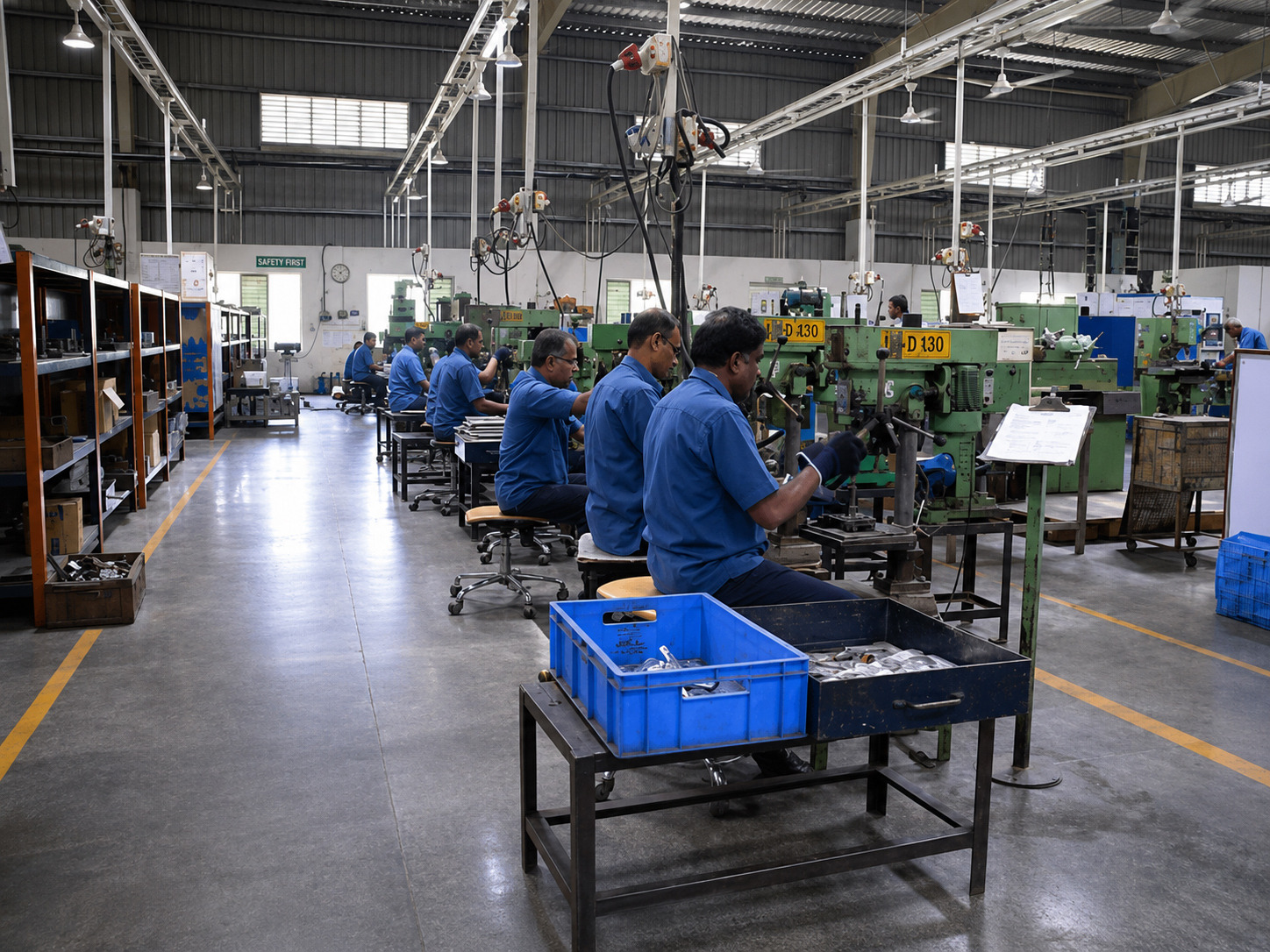
As a leading surgical instruments manufacturer in Sialkot, Pakistan with over four decades of metallurgical mastery, Rigor Instruments crafts paediatric surgical tools that adhere directly to Google's Search Quality Rater Guidelines for E-E-A-T (Experience, Expertise, Authoritativeness, and Trustworthiness). By synthesizing clinical feedback from pediatric surgeons in over 50 countries, we forge micro-surgical tools that balance tactile sensitivity with structural integrity. This guide serves as an exhaustive procurement manual, addressing critical manufacturing standards, key product categories, future procurement vectors, and technical FAQs that define modern pediatric surgical contracting.
2. Clinical & Metallurgical Engineering Standards for Paediatric Surgical Instruments
Why cannot adult surgical instruments simply be manufactured in smaller lengths? The answer lies in biomechanics and tactile feedback loops. Pediatric tissue, particularly in neonates weighing under 2.5 kilograms, possesses a significantly thin mucosal layer and fragile vascular walls. Standard adult spring forces in forceps or ratcheted clamps can inflict irreversible tissue necrosis, crush injury, or vessel tearing.
To overcome these challenges, premium paediatric surgical instruments require specialized metallurgical formulations and precision engineering processes:
- Raw Material Selection (AISI 410, 420, and 316L Stainless Steel): We source high-grade German and Japanese stainless steel alloys. Martensitic steels (AISI 420) are selected for cutting instruments to ensure long-lasting edge retention, while Austenitic steels (AISI 316L) are deployed for non-cutting retractors and forceps requiring maximum corrosion resistance during repeated steam sterilization cycles.
- Tungsten Carbide (TC) Inlay Integration: Pediatric needle holders and micro-scissors feature vacuum-bonded Tungsten Carbide inserts. Gold-plated handles signify TC enhancement, providing a non-slip grip on ultra-fine 6-0 to 10-0 suture needles without twisting or distorting the needle shaft.
- Balanced Weight & Center of Gravity: Micro-pediatric tools are counterbalanced to shift the fulcrum closer to the surgeon's fingers. This reduces hand fatigue during long reconstructive procedures such as congenital heart defect repairs, tracheoesophageal fistula repairs, or pediatric neurosurgical shunts.
- Anti-Reflective Surface Treatments: Under high-intensity operating room LED lighting and operating microscopes, shiny surgical steel causes blinding glare. Rigor Instruments applies satin, matte, or electro-passivated black ceramic coatings to minimize reflection and maximize visual clarity under magnification.
3. Core Product Portfolio: Recommended Paediatric Surgical Instruments
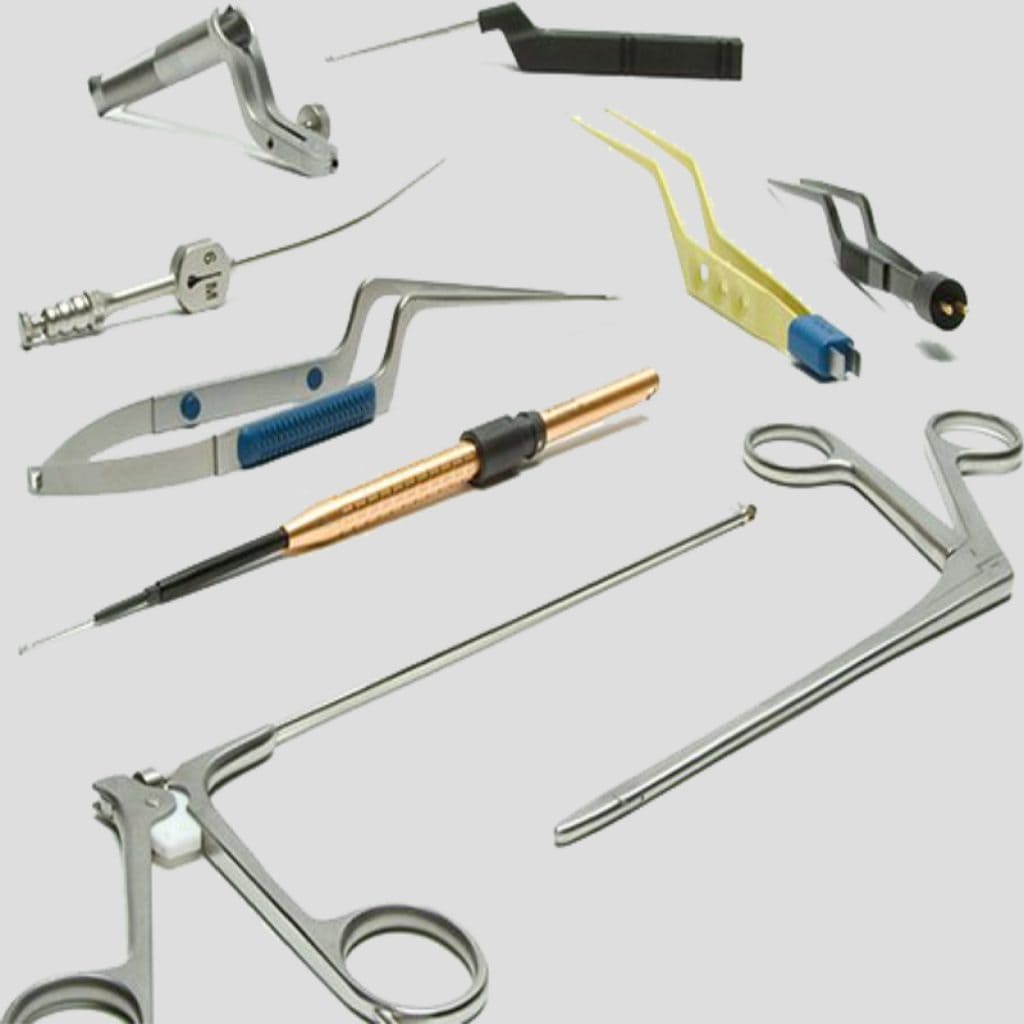
When assembling a pediatric operating theater set, healthcare procurement teams must select instruments designed for specific pediatric sub-specialties. Below is an overview of essential instrument categories manufactured by Rigor Instruments, engineered to satisfy international hospital contract specifications.
A. Paediatric Micro-Scissors & Dissecting Scissors
Precision dissection in pediatric surgery requires micro-blades that cut cleanly through fragile tissue without pushing or folding it. Our pediatric scissors line includes:
- Iris & Tenotomy Scissors (Pediatric Pattern): Available in curved and straight configurations, 9 cm to 11.5 cm lengths, featuring razor-sharp bevels and micro-fine tips for delicate ophthalmic, plastic, and pediatric vascular work.
- SuperCut Paediatric Metzenbaum Scissors: Fitted with one micro-serrated blade and one razor-honed blade, preventing tissue slippage during fine pediatric deep-tissue dissection.
- Potts-Smith Micro Vascular Scissors: Designed with angled tips (25°, 45°, and 60°) for delicate pediatric arteriotomies and cardiotomies.
B. Delicate Paediatric Hemostatic & Vascular Clamps
Controlling hemorrhage in pediatric patients requires precise clamping forces. Rigor Instruments manufactures scaled-down hemostats featuring extra-fine serrations and soft-spring ratchets:
- Mosquito Forceps (Micro-Halsted & Hartman Patterns): 9 cm to 12 cm models with 1x2 teeth or smooth atraumatic serrations to grasp microscopic vessels.
- DeBakey Paediatric Vascular Clamps: Incorporating genuine DeBakey atraumatic serrations (interlocking fine ribbing) that occlude pediatric vessels gently without crushing the intimal lining.
- Castaneda & Cooley Neonatal Suction & Vascular Clamps: Specifically angled shanks designed for pediatric thoracic and cardiac procedures.
C. Paediatric Retractors & Tissue Exposure Systems
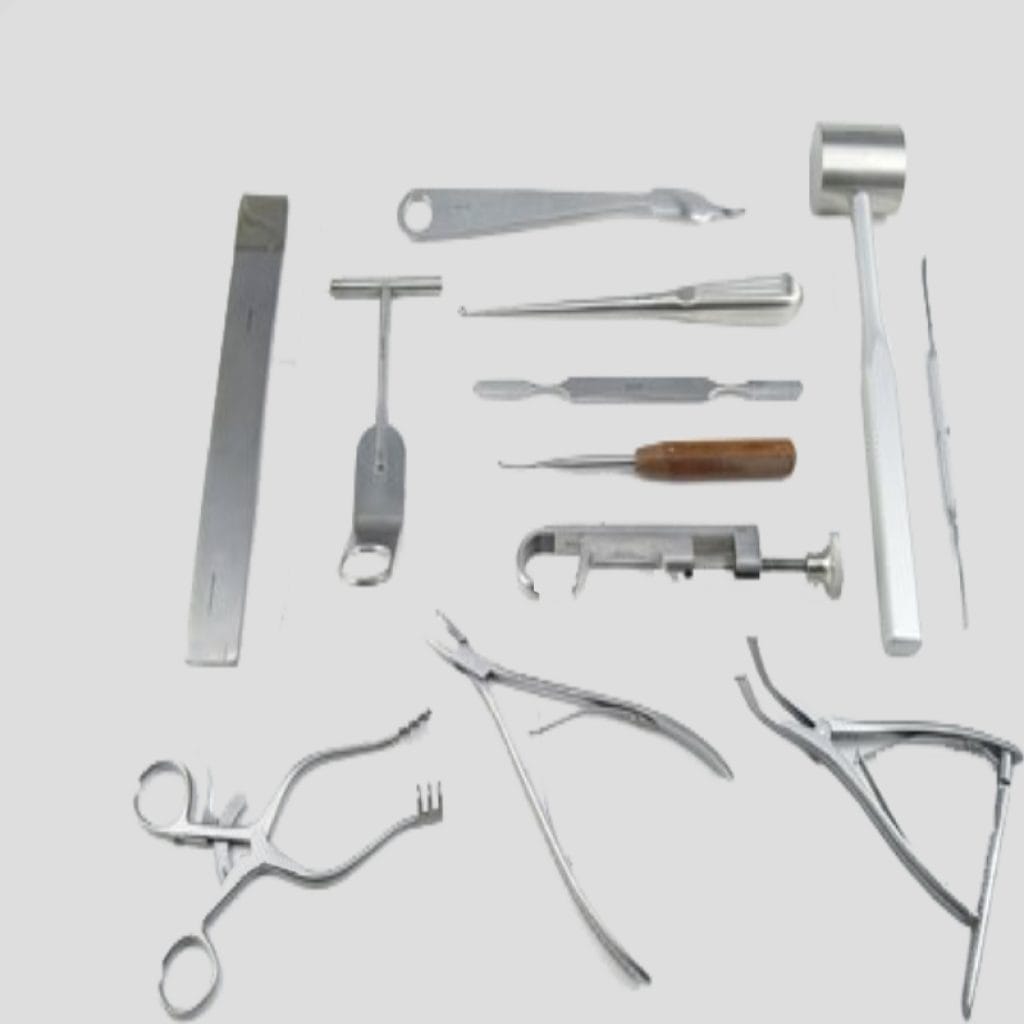
Maintaining clear visibility without applying excessive tension on pediatric wound margins is vital. Our retractor systems include:
- Alm & Jansen Self-Retaining Micro-Retractors: Compact, low-profile designs that hold skin flaps back in pediatric hand, neuro, and orthopedic surgeries.
- Senn-Miller & Ragnell Paediatric Hand Retractors: Dual-ended retractors with blunt, rounded prongs tailored for minimal tissue displacement.
- Paediatric Rib Spreaders (Finochietto Neonatal Pattern): Ultra-lightweight aluminium or stainless steel spreaders engineered for pediatric thoracotomy.
D. Paediatric Grasping Forceps & Needle Holders
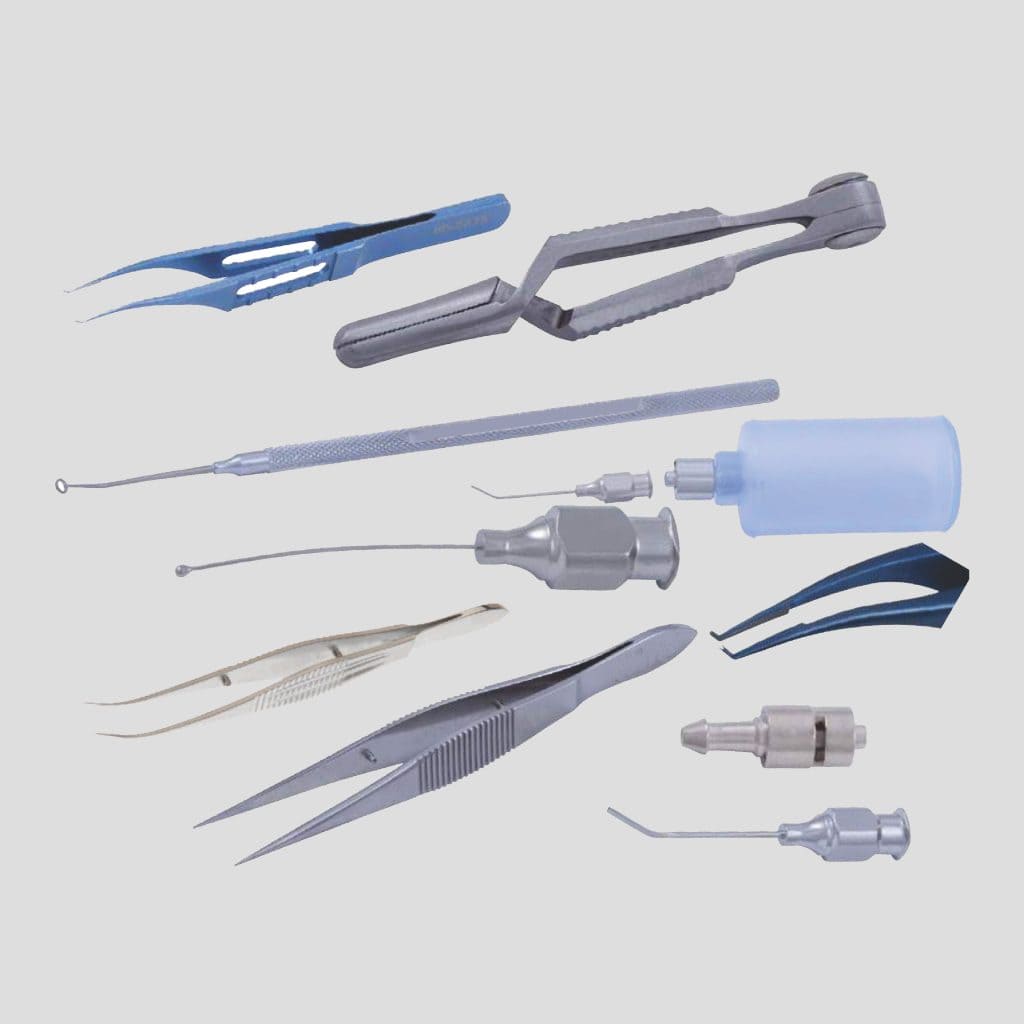
- Adson & Bishop-Harmon Tissue Forceps: Ultra-fine 0.5mm tips with micro-serrations or 1x2 teeth for precise tissue handling.
- Castroviejo & Ryder Micro Needle Holders: Equipped with tungsten carbide jaws and smooth spring-catch mechanisms designed to hold 5-0 through 9-0 sutures cleanly.
| Instrument Category | Standard Adult Specs | Rigor Paediatric Specs | Clinical & Metallurgical Advantage |
|---|---|---|---|
| Metzenbaum Scissors | 14 cm – 23 cm / Standard Blade | 9 cm – 11.5 cm / Micro-SuperCut Bevel | Prevents tissue pushing; optimal for sub-centimeter operative fields. |
| Vascular Clamps | Standard DeBakey Ribbing (2.0mm) | Atraumatic Micro-Ribbing (1.0mm - 1.5mm) | Zero intima damage on thin-walled pediatric blood vessels. |
| Tissue Forceps | 1.5mm – 2.5mm Tip Width | 0.3mm – 0.8mm Ultra-Fine Tip | Enables microscopic control during neonatal reconstructive surgery. |
| Needle Holders | Standard Ratchet / Heavy TC Jaw | Gentle Spring Lock / Smooth Micro-TC Jaw | Eliminates suture shearing when placing 7-0 to 10-0 fine monofilaments. |
4. Enterprise Advantages: Why Global Buyers Trust Rigor Instruments
When hospital buyers, government health ministries, and medical distributors evaluate manufacturing partners in South Asia, verified enterprise credentials and manufacturing integrity are essential. Sialkot, Pakistan is globally recognized as the manufacturing capital of stainless steel surgical instruments. Within this hub, Rigor Instruments stands out by offering strict quality control, full traceability, and European quality compliance at direct factory pricing.

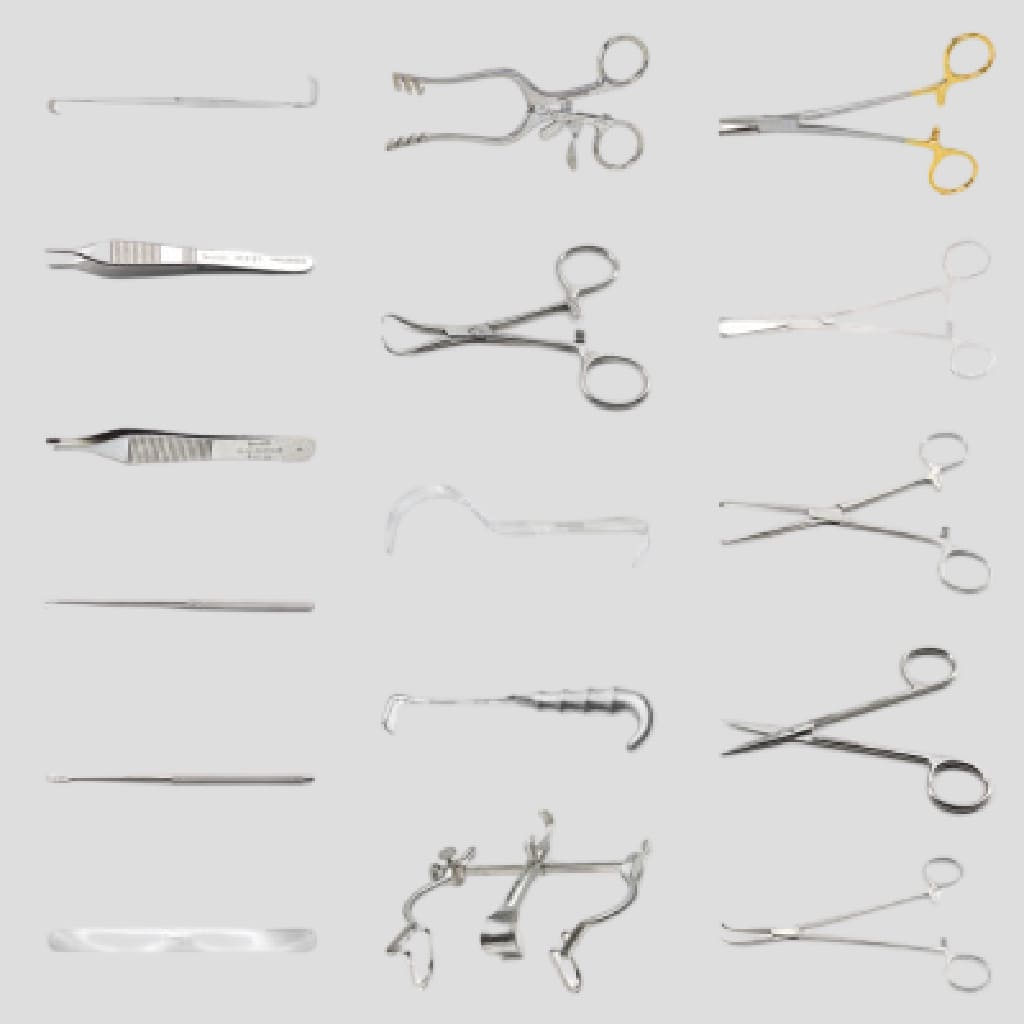
Core Manufacturing Advantages of Rigor Instruments:
- 40+ Years of Craftsmanship: Founded as a family-owned manufacturer, our facility blends second-generation forging expertise with modern CNC machining and laser-welding technology.
- ISO 9001:2015 & ISO 13485 Certification: Our manufacturing systems are audited and certified to meet medical device quality standards. Every batch follows strict quality protocols, from raw forging to final passivation.
- CE Marking & FDA Listed: Rigor Instruments complies with European Medical Device Regulations (MDR) and US FDA requirements, supporting seamless import clearance for global buyers.
- German & Japanese Raw Steel Sourcing: We use high-purity imported stainless steel bars, ensuring superior corrosion resistance, high tensile strength, and long-lasting sharpness through thousands of autoclave sterilization cycles.
- Full OEM/ODM & Custom Labeling Capabilities: We support custom laser etching (logo, SKU numbers, barcode, UDI), custom tray layout design, and private-label packaging for international brand owners.
- Over 5,000 Catalog Items Across 28 Specialties: From general surgery and orthopedics to neurosurgery, ENT, and pediatric specialties, our extensive catalog allows buyers to consolidate their supply chains efficiently.
- Global Export Footprint (50+ Countries): Our instruments are supplied to healthcare systems, distributor networks, and humanitarian surgical missions across Europe, North America, the Middle East, Asia, and Latin America.
5. Future Procurement Trends in Paediatric Surgical Instrumentation
Procurement directors must look beyond immediate purchasing needs and position their organizations for upcoming industry shifts. The global market for pediatric medical devices is evolving rapidly, driven by technological innovations, regulatory updates, and modern hospital standards:
1. The Rise of Hybrid Single-Use and Reusable Pediatric Sets
While reusable stainless steel instruments remain the standard for sustainability and cost efficiency, hospitals are increasingly adopting single-use micro-scissors and fine forceps for emergency pediatric rooms and high-risk infection environments. Manufacturers who offer both premium reusable tools and high-precision single-use lines provide distributors with a strong competitive edge.
2. Universal Device Identification (UDI) & Laser Matrix Tracking
Regulatory bodies such as the US FDA and European Union (EU MDR) require Unique Device Identification (UDI) down to the individual instrument level. Modern pediatric instruments must be marked with high-density laser QR codes capable of surviving repeated high-temperature steam sterilization without degrading. This ensures full traceability from the manufacturing forge to the sterile processing department (SPD).
3. Titanium Alloy Integration for Micro-Pediatric Tools
Titanium alloy (Grade 5 Ti-6Al-4V) is increasingly used for specialized pediatric neurosurgical and cardiovascular instruments. Titanium offers a 40% weight reduction compared to stainless steel, is completely non-magnetic (100% MRI compatible), and eliminates hand fatigue during extended microsurgical procedures under an operating microscope.
4. Ergonomic Modernization & Color-Coded Specialty Identification
To avoid accidental selection of adult instruments during pediatric procedures, sterile processing teams are adopting color-coded anodized rings and handles. Rigor Instruments offers customized color-plating and anodizing options for seamless department identification.
6. Industry & Technological Development Trends in Pediatric Surgery
The field of pediatric surgery is advancing toward less invasive techniques, driven by breakthroughs in optics, micro-robotics, and advanced metallurgy:
- Pediatric Minimal Access Surgery (MAS) & 3mm Laparoscopy: Traditional 5mm and 10mm laparoscopic ports are too large for neonates and infants. The industry is standardizing 3mm and 2mm micro-laparoscopic instruments. Manufacturing these ultra-thin shafts requires high-rigidity stainless steel to prevent bending under torque.
- Robotic-Assisted Pediatric Surgery Adapters: As robotic platforms enter pediatric surgery, there is growing demand for specialized hand-held micro-instruments designed to prepare, assist, and complement robotic trocar sites.
- Advanced Surface Coatings (PVD & Titanium Nitride): Physical Vapor Deposition (PVD) and Titanium Nitride (TiN) coatings increase surface hardness up to 85 HRC, significantly reducing friction on scissor pivots and extending edge life up to three times longer than standard stainless steel.
7. Frequently Asked Questions (FAQ) – Global B2B Procurement
Why can't standard adult surgical instruments be used in pediatric procedures?
What steel grades are best for pediatric surgical tools?
Does Rigor Instruments provide ISO 13485 and CE certifications for customs compliance?
Can we request OEM custom sizing, branding, and packaging?
How do you test micro-instruments for alignment and tension before shipment?
What is the typical Minimum Order Quantity (MOQ) and delivery lead time for wholesale orders?
8. Strategic Summary & Conclusion
Sourcing high-precision Paediatric Surgical Instruments requires a reliable partner who understands micro-engineering, anatomical safety, and strict regulatory standards. By combining four decades of handcrafted instrument manufacturing in Sialkot, Pakistan with imported German and Japanese steel, ISO 13485 quality systems, and global OEM capabilities, Rigor Instruments delivers unmatched reliability to hospitals and medical distributors worldwide.
Partner with a Certified Paediatric Surgical Instruments Manufacturer
Looking to place a factory-direct wholesale order, develop custom OEM pediatric surgical sets, or request samples for upcoming hospital tenders? Speak directly with our engineering and export team today.
Contact Us