1. Executive Industry Overview: The Evolving Landscape of Micro Surgical Instruments in Hungary
Hungary has long served as an intellectual epicenter for medical science, clinical innovation, and surgical education in Central and Eastern Europe (CEE). Anchored by premiere institutions such as Semmelweis University in Budapest, the University of Debrecen Clinical Center, the University of Szeged, and the University of Pécs, the Hungarian healthcare ecosystem demands an uncompromising level of metallurgical precision and mechanical performance from its surgical instrumentation partners.
In modern operative theaters, particularly within neurosurgery, micro-vascular anastomosis, ophthalmic reconstruction, and minimallly invasive spinal surgery, standard surgical tools no longer suffice. Micro surgical instruments—characterized by sub-millimeter tip tolerances, anti-glare electro-passivated surfaces, ergonomic tactile balance, and fatigue-resistant tension springs—have transitioned from specialized niche items into core operational necessities.
As Hungarian healthcare providers navigate strict European Union Medical Device Regulations (EU MDR 2017/745), procurement directors and chief of surgeries face a dual imperative: securing instruments that provide unmatched anatomical accuracy and tactile feel, while establishing transparent, cost-efficient, and fully compliant supply chain lines directly from verified original equipment manufacturers (OEMs).
🔬 Metallurgical Integrity
Forged exclusively from high-density German X20Cr13 / AISI 420 and Japanese SUS316L surgical stainless steels, supplemented by ultra-hard tungsten carbide (TC) inserts for micro-cutting edges.
👁 Anti-Glare Electro-Passivation
Advanced surface treatments prevent light reflection under high-intensity operating room microscopes, reducing visual fatigue during prolonged microsurgical procedures.
⚖ Sub-Millimeter Calibration
Micro forceps and needle holders calibrated to micro-grain tolerances down to 0.1mm, ensuring zero tip deflection under microscopic suture placement (sutures size 8-0 through 11-0).
2. Rigor Instruments: Manufacturing Authority, Craftsmanship & Factory-Direct Advantage
For over four decades, Rigor Instruments has stood at the intersection of traditional surgical metallurgy craftsmanship and automated precision engineering. Based out of Sialkot—the globally acknowledged hub of surgical instrument forging—our second-generation manufacturing enterprise supplies over 5,000 active instrument designs across 28 distinct medical specialties to buyers in more than 50 countries.
While many commercial trading intermediaries repackage white-label tools with compounding markup, Rigor Instruments operates a fully integrated, direct-from-factory production facility. From raw steel bar stock inspection and drop-forging to hand-honing, micro-laser welding, ultrasonic cleaning, and automated passivation, every step of our workflow is subjected to stringent quality control systems certified under ISO 9001:2015 and ISO 13485:2016 standard protocols.
Core Enterprise Strengths for Hungarian Hospital Buyers & Distributors:
Partnering directly with an established manufacturer gives Hungarian medical supply networks, private surgical clinics, and public hospital purchasing consortia decisive operational advantages:
🏢 Factory-Direct Cost Efficiency
By eliminating European middlemen, brokers, and re-labeling agencies, Hungarian buyers reduce total instrument acquisition costs by up to 35-45% without compromising technical standards.
📝 Custom OEM & Private-Label Services
Full custom production capabilities including laser logo marking, custom catalog numbering, customized tip geometry modifications, and custom sterile packaging solutions.
🛡 EU Regulatory Compliance Package
Every instrument tier includes complete Technical Files, CE Marking documentation, ISO certificates, Material Analysis Reports, and full lot-batch traceability for effortless customs clearance and audit safety.
3. Localized Clinical Application Scenarios Across Hungary's Regional Healthcare Hubs
Medical infrastructure in Hungary is characterized by specialized regional centers of excellence. The operational demands of these institutions vary significantly based on their surgical sub-specialization. Below is an analytical examination of how our micro surgical tools integrate into specific clinical workflows across Hungary:
3.1 Ophthalmic & Micro-Vascular Surgery in Budapest & Central Hungary
In Budapest's premier university hospitals and specialized eye clinics, surgical interventions require extreme delicacy. Procedures such as capsulorhexis, corneal transplantations, and micro-vascular free-flap reattachments in plastic surgery utilize our micro spring scissors (Vannas style) and micro forceps (Castroviejo and Jeweler styles). The ergonomic balance of our lightweight titanium-coated handles minimizes hand tremor, providing surgeons with precise tactile feedback during delicate tissue dissection.
3.2 Endoscopic Sinus Surgery (FESS) & ENT Specialties in Debrecen & Szeged
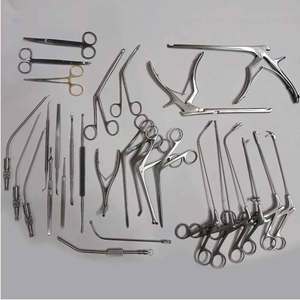
Functional Endoscopic Sinus Surgery (FESS) requires rigid, rust-resistant manual endoscopic sets capable of surviving frequent automated washing and autoclave cycles. Our 30-Piece Tegra FESS Instrument Set is widely specified in ENT departments in Debrecen and Szeged. Featuring fine punch forcep jaws, rotatable suction tubes, and sinus curettes forged from high-tensile stainless steel, these instruments retain sharp cutting edges even after hundreds of sterilization cycles.
3.3 Facial Cosmetic & Plastic Microsurgery in Private Clinics
Hungary's growing medical tourism sector, particularly in cosmetic facial surgery and aesthetic plastic surgery, demands aesthetic refinement and atraumatic handling. Our Endoscopic Facelift Instrument Sets and Fiber-Optic Retractors enable surgeons to perform endoscopic forehead lifts, mid-face elevations, and blepharoplasties through minimal incisions, reducing patient downtime and scarring.
3.4 Spinal Neurosurgery & Unilateral Biportal Endoscopy (UBE) in Pécs
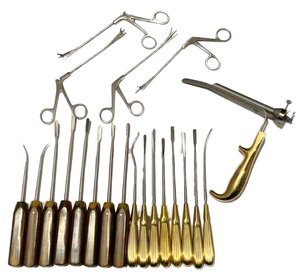
Spinal neurosurgery departments in Pécs and Western Hungary are rapidly adopting Unilateral Biportal Endoscopy (UBE). UBE requires specialized long-reach punches, rongeurs, curettes, and micro-dissectors designed specifically to work within narrow fluid-perfused endoscopic channels. Our UBE sets feature anti-slip handle textures and micro-serrated tips designed to operate seamlessly under continuous saline irrigation.
4. Localized Development Trends & Procurement Dynamics in Hungary (2026-2030)
Understanding the macro-economic and regulatory trajectory of Hungary's healthcare system is vital for strategic equipment planning. Key market vectors shaping micro surgical procurement include:
1. Accelerating Shift to Minimally Invasive Surgery (MIS)
Hungarian surgical units are aggressively transitioning open surgical protocols to laparoscopic, endoscopic, and robotic-assisted microsurgery to minimize patient stay and hospital cost per bed.
2. Stringent EU MDR Compliance Enforcement
Hospital procurement committees in Hungary are rejecting non-compliant or non-traceable suppliers. Rigor Instruments provides complete technical documentation files matching EU MDR standards.
3. Hybrid Supply Models (Reusable vs. Single-Use)
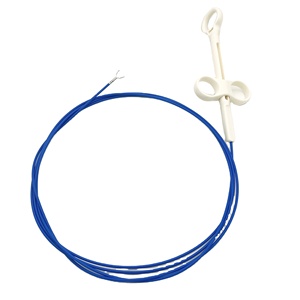
Hospitals are balancing long-term ROI reusable steel sets for core procedures with specialized single-use sterile endoscopic accessories (such as hemoclips and grasping forceps) to eliminate cross-contamination risk.
5. Technical Specifications & Material Benchmarking Matrix
The matrix below outlines the engineering specifications, steel grades, surface coatings, and clinical compatibility of our primary micro surgical product lines supplied to Hungary:
| Category |
Primary Steel Grade |
Surface Finish |
Tip Size Range |
Autoclave Life Cycle |
EU MDR Class |
| Micro Forceps & Needle Holders |
German AISI 420 / Titanium Alloy |
Electro-Passivated Satin Matte |
0.12mm - 0.9mm |
500+ Cycles |
Class I Reusable |
| Endoscopic Hemoclips |
Medical Grade SUS316L |
Mirror Polish / Medical Polymer |
Claw Opening 9-12mm (135°) |
Single-Use Sterile |
Class IIa Sterile |
| FESS ENT Instrument Sets |
German X20Cr13 Stainless |
Non-Reflective Matte Finish |
1.0mm - 4.0mm Punches |
800+ Cycles |
Class I Reusable |
| UBE Spinal Instruments |
High-Tensile German Stainless Steel |
Anti-Glare Titanium Nitride / Satin |
2.0mm - 5.0mm Kerrison Jaws |
600+ Cycles |
Class I Reusable |
6. Frequently Asked Questions (FAQ) — Micro Surgical Procurement in Hungary
Below are authoritative responses to common technical, logistics, and legal queries posed by purchasing authorities and medical distributors in Hungary:
Do your micro surgical instruments comply with EU MDR regulations for import into Hungary?
Yes. All surgical instruments manufactured by Rigor Instruments carry full CE marking under European Medical Device Regulations. We provide complete technical files, Declaration of Conformity (DoC), ISO 13485:2016 certification, and full material analysis certificates required by Hungarian health authorities and customs officials.
What steel grades are used in your microsurgical instrument line, and how do they resist corrosion?
We utilize high-grade German AISI 420 (X20Cr13) and Japanese SUS316L surgical stainless steels. All reusable instruments undergo a multi-stage chemical passivation process (ultrasonic cleaning and nitric acid dipping) that creates a dense chromium-oxide passive layer, rendering the steel resistant to pitting, rust, and automated washer-disinfector alkaline detergents.
How are shipments delivered to hospitals or medical suppliers in Budapest, Debrecen, or Pécs?
We dispatch export orders via fast air freight (DHL, FedEx, UPS) directly to any commercial address or airport customs terminal in Hungary (e.g., Budapest Liszt Ferenc International Airport). Commercial invoices, packing lists, airway bills, and EUR-1 / Certificate of Origin documents are prepared in-house for seamless customs processing.
Can Rigor Instruments provide custom laser logo engraving and OEM catalog numbers for Hungarian distributors?
Absolutely. We offer comprehensive OEM and private-label manufacturing. We can laser-engrave your corporate logo, custom part numbers, matrix codes, or hospital identification marks directly onto the instrument handles according to your specifications.
What is your warranty policy regarding instrument tip alignment and material defects?
We back every instrument with a comprehensive 2-year warranty covering manufacturing defects, material flaws, or premature corrosion under standard operating room sterilization guidelines. Any defective instrument is replaced free of charge.
What is the minimum order quantity (MOQ) for factory-direct wholesale pricing to Hungary?
We maintain flexible MOQ requirements. Standard catalog items have minimal threshold requirements, allowing hospital departments to request sample evaluation sets. For full custom OEM orders, MOQs are customized based on part complexity.