Featured Endoscopic & Laparoscopic Instruments
Precision surgical equipment engineered with German & Japanese stainless steel for hospital networks across Aichi Prefecture.
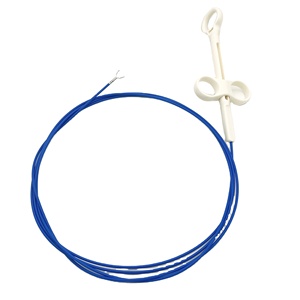
Gastroenterology Rotatable Disposable Endoscopic Hemoclip With Claw Angle 135
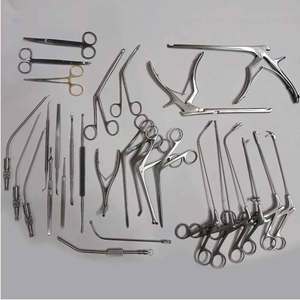
Fess Instruments Set 30 Pieces Manual Reusable Endoscopic Sinus Surgery ENT Tegra FESS Sets
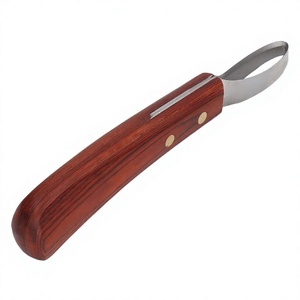
ZRHmed Disposable Veterinary Endoscopic Grasping Foreign Body Forceps Stainless Steel For Horse Use With CE
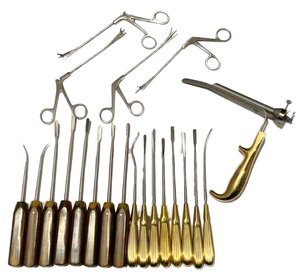
Endoscopic Facelift Instrument Set for Facial Cosmetic Surgery, CE Certified Class I Stainless Steel Tools
ZRHmed Disposable Stainless Steel Endoscopic Grasping Forceps For Foreign Body Retrieval With CE
Professional High Quality Plastic Surgery Endoscopic Facelift Forceps Set Endoscopic Surgical Instrument
Disposable Veterinary Endoscopic Grasping Foreign Body Forceps Stainless Steel ZRHmed With CE
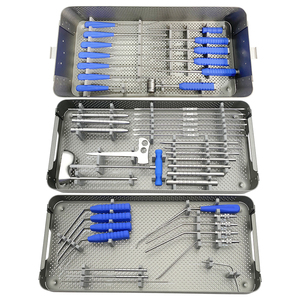
Spinal Surgery Unilateral Biportal Endoscopic Surgery Instruments Set UBE Instrument Set Orthopedic Instrument
40+
Years Manufacturing Mastery
5,000+
Surgical Catalog Lines
50+
Global Export Markets
100%
Autoclave & PMDA Audit Ready
Executive White Paper: Laparoscopic Access Dynamics in Modern Surgical Ecosystems
Minimally Invasive Surgery (MIS) has undergone a fundamental transformation across major healthcare networks in Japan, with Nagoya serving as a paramount industrial and clinical epicenter in the Chubu region. As surgical teams at Nagoya University Hospital, Aichi Medical University, and Nagoya City University Hospital push the boundaries of laparoscopic, single-port, and robotic-assisted procedures, the demand for precision-engineered entry portals—specifically Laparoscopic Trocars—has reached unprecedented levels.
A laparoscopic trocar is far more than a simple conduit; it represents the critical mechanical interface between the sterile operative room ambient pressure and the patient's pressurized pneumoperitoneum. Ensuring low insertion force, flawless fascial retention, zero-leak abdominal sealing, and optics protection requires world-class manufacturing tolerances. This white paper examines the technological criteria, metallurgical specifications, and regulatory frameworks governing the supply of laparoscopic trocar systems from certified overseas factories and direct exporters to medical device distributors and hospital procurement groups in Nagoya.
Strategic Key Takeaway for Nagoya Procurement Officers: Modern clinical standards in Aichi Prefecture prioritize trocars engineered with magnetic lip-seal valves and ergonomic optical tip geometries. Sourcing directly from ISO 13485 certified original equipment manufacturers (OEMs) cuts supply chain friction by up to 35% while maintaining compliance with Japan's PMDA (Pharmaceuticals and Medical Devices Agency) Class I & II regulatory pathways.
Engineering Taxonomy of Laparoscopic Trocar Systems
To satisfy the strict procedural demands of general laparoscopic cholecystectomy, bariatric bypass, gynecologic oncology, and pediatric MIS, trocar factories manufacture several distinct functional architectures. Each system is calibrated to address specific tissue resistance profiles and abdominal wall thicknesses.
1. Optical Bladeless Trocars
Designed with transparent conical tips that permit direct visualization of tissue layers via a 0° or 30° laparoscope during primary entry. Bladeless trocar shafts separate tissue fibers along anatomical planes rather than cutting them, dramatically reducing trocar-site hernia (TSH) rates and post-operative fascial closure requirements in Nagoya clinical trials.
2. Shielded Pyramidal & Linear Trocars
Equipped with spring-loaded safety shields that instantly deploy over the sharp cutting edge upon penetration of the parietal peritoneum. Manufactured from high-tensile Japanese SUS 420J2 stainless steel to ensure scalpel-sharp tissue incision with minimal drag coefficients during high-volume surgical workflows.
3. Hasson Open Surgery Trocars
Specifically engineered for open laparoscopic entry techniques where previous abdominal surgeries present adhesion risks. Featuring adjustable suture anchor collars and blunt atraumatic obturator tips to secure gastrotomy or umbilical entry sites without risking visceral micro-perforations.
Pneumoperitoneum Maintenance & Fluid Dynamics
A persistent technical hurdle in laparoscopic access is maintaining intra-abdominal insufflation (typically 12–15 mmHg) during instrument exchange. Our exported trocar systems utilize dual-gasket sealing structures combining silicone duckbill valves with zero-resistance magnetic flap mechanisms. This hybrid approach guarantees leak-proof performance even during rapid insertion of 5mm, 10mm, and 12mm instruments, preventing intraoperative smoke escape and lens smudging.
Comparative Engineering Matrix: Disposable vs. Reusable Hybrid Trocars
Surgical procurement committees in Aichi Prefecture carefully balance immediate unit cost against long-term sterilization lifecycles and environmental waste policies. The matrix below outlines key performance metrics for our exported trocar ranges:
| Specification Parameter |
Disposable Optical Bladeless |
Modular Reusable Stainless Steel |
Hybrid Silicone-Steel Trocar |
| Primary Application |
Primary Umbilical Entry / High-Risk MIS |
Secondary Port Entry / Routine Laparoscopy |
Bariatric & Long-Duration Procedures |
| Shaft Diameter Range |
5mm, 10mm, 11mm, 12mm, 15mm |
3.5mm, 5mm, 10mm, 12mm |
5mm to 12mm Universal Sealing |
| Insertion Force (N) |
< 18.5 N (Ultra-Low Peak Force) |
22.0 N (Requires Dilating Sleeve) |
16.2 N (Hydrophilic Coated Tip) |
| Valve Sealing Mechanism |
Dual-Layer Silicone Flap + Gasket |
Disassembleable Ball-Valve / Flip-Lid |
Magnetic Float Seal (Autoclavable) |
| PMDA Japan Classification |
Class II Medical Device |
Class I Medical Device |
Class II / Class I Accessory |
| Sterilization Compatibility |
EO (Ethylene Oxide) / Gamma Ray |
Autoclave 134°C (ISO 17665) |
Autoclave & Plasma Sterilization |
Nagoya Market Localization & Regional Healthcare Dynamics
Nagoya stands as the capital of Aichi Prefecture and the center of the Greater Nagoya Area, a region renowned for automotive engineering, precision machinery, and medical innovation. The local healthcare market exhibits distinct buying behaviors and rigorous technical expectations that overseas exporters must navigate to achieve long-term distribution success.
Demographic Drivers & Surgical Volume
Japan’s demographic transition toward an advanced aging population has drastically accelerated the adoption of minimally invasive therapies over radical open procedures. In Nagoya, geriatric surgery centers emphasize rapid patient recovery, shorter post-operative hospital stays, and minimized incisional trauma. Consequently, surgical centers are expanding their inventory of 5mm low-impact trocars and laparoscopic clips for fast laparoscopic cholecystectomy, hernia repair, and colorectal resections.
Regulatory Compliance & PMDA Integration
Exporting surgical devices to Japan requires adherence to the Pharmaceuticals and Medical Devices Act (PMDA). Overseas manufacturers must maintain comprehensive Technical Master Files, Quality Management System (QMS) certificates compliant with ISO 13485, and full lot traceability. Foreign exporters partnering with Nagoya-based medical distributors must provide comprehensive material safety data sheets, biostability reports, and corrosion-resistance validation under Japanese Industrial Standards (JIS T 0601 / JIS G 4303).
Logistical Advantage: Direct maritime freight routes connecting major export ports with the Port of Nagoya ensure predictable 7-to-10 day shipping cycles for bulk surgical orders. Emergency air freight options via Chubu Centrair International Airport (NGO) provide local Nagoya distributors with agile restocking capability for high-demand surgical kits.
Enterprise Manufacturing Capabilities & E-E-A-T Authority
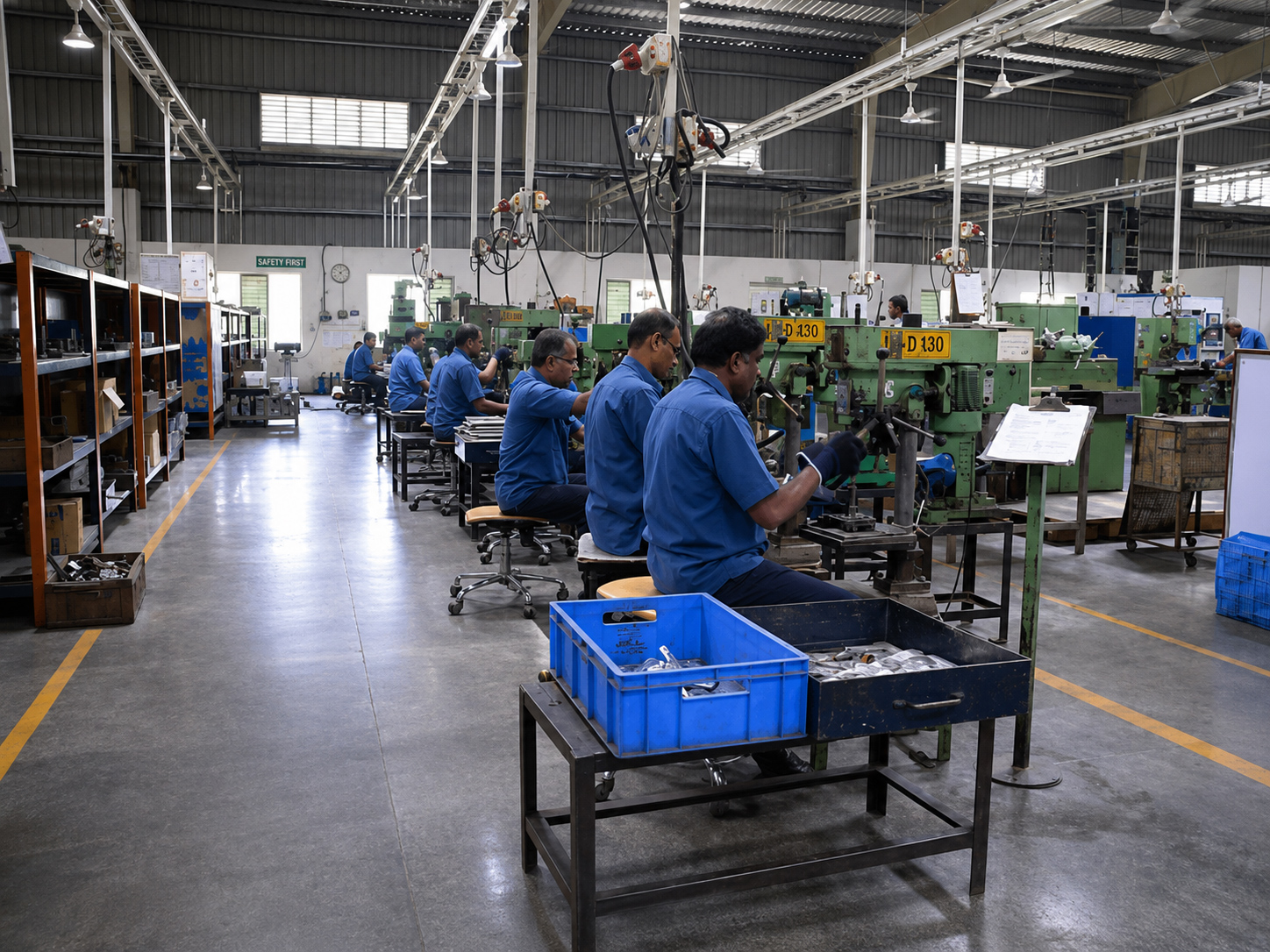
As a leading surgical instrument manufacturer with over 40 years of metallurgical legacy, our production infrastructure operates at the intersection of traditional craftsmanship and computer-controlled robotics. Spanning an expansive ISO-certified facility, our factory crafts over 5,000 distinct instrument reference numbers across 28 clinical specialties.
German & Japanese Metallurgy
Every trocar cannulae, obturator, forcep jaw, and endoscopic sheath is forged exclusively from imported AISI 316L, 420J2, or German X20Cr13 surgical-grade stainless steel. This guarantees superior tensile strength, zero magnetic interference during micro-surgeries, and total immunity against pitting corrosion during repeated ultrasonic cleaning and steam autoclaving.
ISO 13485 Cleanroom Assembly
Single-use laparoscopic trocars and endoscopic hemoclips are assembled within Class 100,000 (ISO Class 8) controlled cleanrooms. Automated leak testing protocols verify valve tightness under 30 mmHg air pressure, ensuring zero tolerance for gas leaks prior to EO sterilization and double-blister medical packaging.
OEM / ODM Private-Labeling
We provide complete original equipment manufacturing solutions for Japanese medical brands and regional Nagoya wholesalers. From custom laser etching of hospital logos and part numbers to customized shaft lengths (70mm pediatric to 150mm bariatric), our engineering team translates technical drawings into mass production within 30 days.
Rigorous Quality Control Audit System
Our quality assurance workflow strictly follows ISO 9001:2015 and ISO 13485 directives. Every production lot undergoes five distinct audit gates:
- Spectrometric Raw Material Verification: Chemical composition validation of stainless steel billets.
- CNC Micrometric Tolerance Inspection: Ensuring sub-micron precision on trocar thread pitches and sealing rings.
- Surface Passivation & Electropolishing Test: Boiling water tests confirming 100% resistance to oxidation.
- Penetration & Insertion Force Testing: Calibrated electronic sensor measurements for smooth abdominal entry.
- Autoclave Life Simulation: 100+ cycle heat-steam pressure testing for all reusable trocar components.
Nagoya Buyer & Procurement FAQ (Frequently Asked Questions)
Below are authoritative technical and commercial answers addressing common inquiries from medical procurement departments, healthcare distributors, and surgical importers across Nagoya and Aichi Prefecture.
Q1: How do your laparoscopic trocar factory specifications align with Japan's PMDA regulatory requirements?
▼
Our manufacturing facilities operate in full compliance with ISO 13485 medical quality standards. For Japanese importers in Nagoya, we provide comprehensive Technical Construction Files (TCF), biocompatibility test reports (ISO 10993 standards covering cytotoxicity, sensitization, and systemic toxicity), raw material mill test certificates, and EO sterilization validation reports (ISO 11135). These documents allow your registered Marketing Authorization Holder (MAH) in Japan to streamline PMDA Class I or II device registration seamlessly.
Q2: What is the typical lead time for shipping surgical trocar orders to the Port of Nagoya or Chubu Centrair Airport?
▼
Standard OEM/ODM production lead times range between 20 to 30 days depending on order volumes and custom branding requirements. For regular catalog items, dispatch occurs within 7 business days. Transit time via ocean freight to the Port of Nagoya is approximately 7 to 10 days, while express air cargo to Chubu Centrair International Airport (NGO) takes 3 to 5 business days, ensuring uninterrupted supply chain continuity for local medical centers.
Q3: Can your factory produce custom-length trocars for specialized bariatric or pediatric surgeries?
▼
Yes. As a direct manufacturer, we offer full custom engineering. We produce pediatric trocar sleeves with working lengths of 50mm to 70mm, standard abdominal sleeves at 100mm to 110mm, and extra-long bariatric trocars extended up to 150mm. All custom lengths can be outfitted with either smooth, threaded stability sleeves, or flexible fixation anchors based on surgeon preference in Aichi clinics.
Q4: How do you guarantee seal integrity and prevent pneumoperitoneum loss during long surgical procedures?
▼
Our trocar systems utilize a proprietary dual-seal arrangement. The primary seal consists of an elastic silicone universal membrane that dynamically adjusts around instruments ranging from 4.7mm to 12.9mm without tearing. The secondary seal employs a zero-friction magnetic or mechanical trap-door valve that snaps shut instantly upon instrument withdrawal, maintaining intra-abdominal pressure even under high-flow gas insufflation conditions.
Q5: What OEM private-label branding options are available for Japanese medical device distributors?
▼
We provide end-to-end OEM and ODM capabilities. This includes precision fiber-laser marking of your company logo, custom catalog reference numbers, and batch QR codes directly onto the trocar cannulae or handle. Additionally, we provide customized sterile blister packaging, inner box printing, and Japanese language instructions for use (IFU) translated and formatted to Japanese regulatory standards.
Q6: What steel grade is used in your reusable trocar components and how does it withstand repeated sterilization?
▼
We utilize premium surgical-grade German AISI 316L (unmagnetic stainless steel for trocar sheaths and valves) and Japanese SUS 420J2 (hardenable stainless steel for sharp obturator tips). These alloys undergo specialized vacuum heat treatment and electrochemical passivation, enabling them to withstand over 100 steam autoclave sterilization cycles at 134°C (273°F) without pitting, dulling, or surface discoloration.
Partner with a Trusted Laparoscopic Trocar Factory for Nagoya
Expand your hospital supply portfolio or OEM device line with certified, high-precision laparoscopic access instruments. Contact our export engineering team today for factory-direct pricing and sample evaluation.