Technical Whitepaper
Hemostatic Forceps Engineering & Procurement Standards for Chicago Healthcare Systems
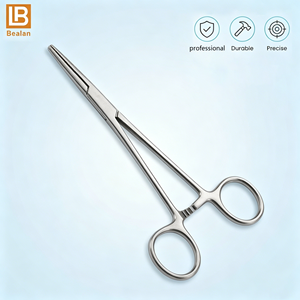
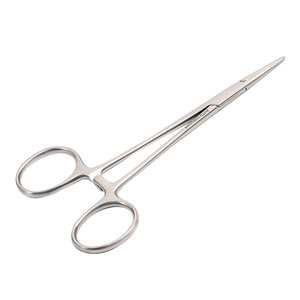
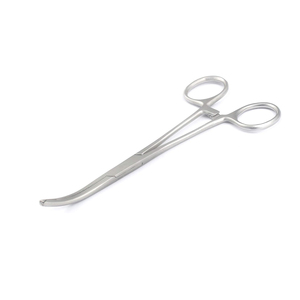
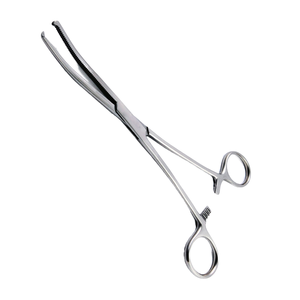
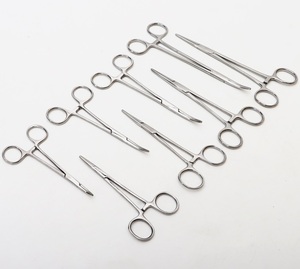
Surgical hemostasis remains the critical pillar of intraoperative success, patient safety, and surgical efficiency across Chicago’s world-renowned medical networks—including academic medical centers in the Illinois Medical District, downtown research facilities, and sprawling suburban ambulatory surgery centers (ASCs). Hemostatic forceps, commonly referred to as arterial clamps, represent the first line of mechanical control during open and minimally invasive surgical procedures to occlusion blood vessels and prevent vascular exsanguination.
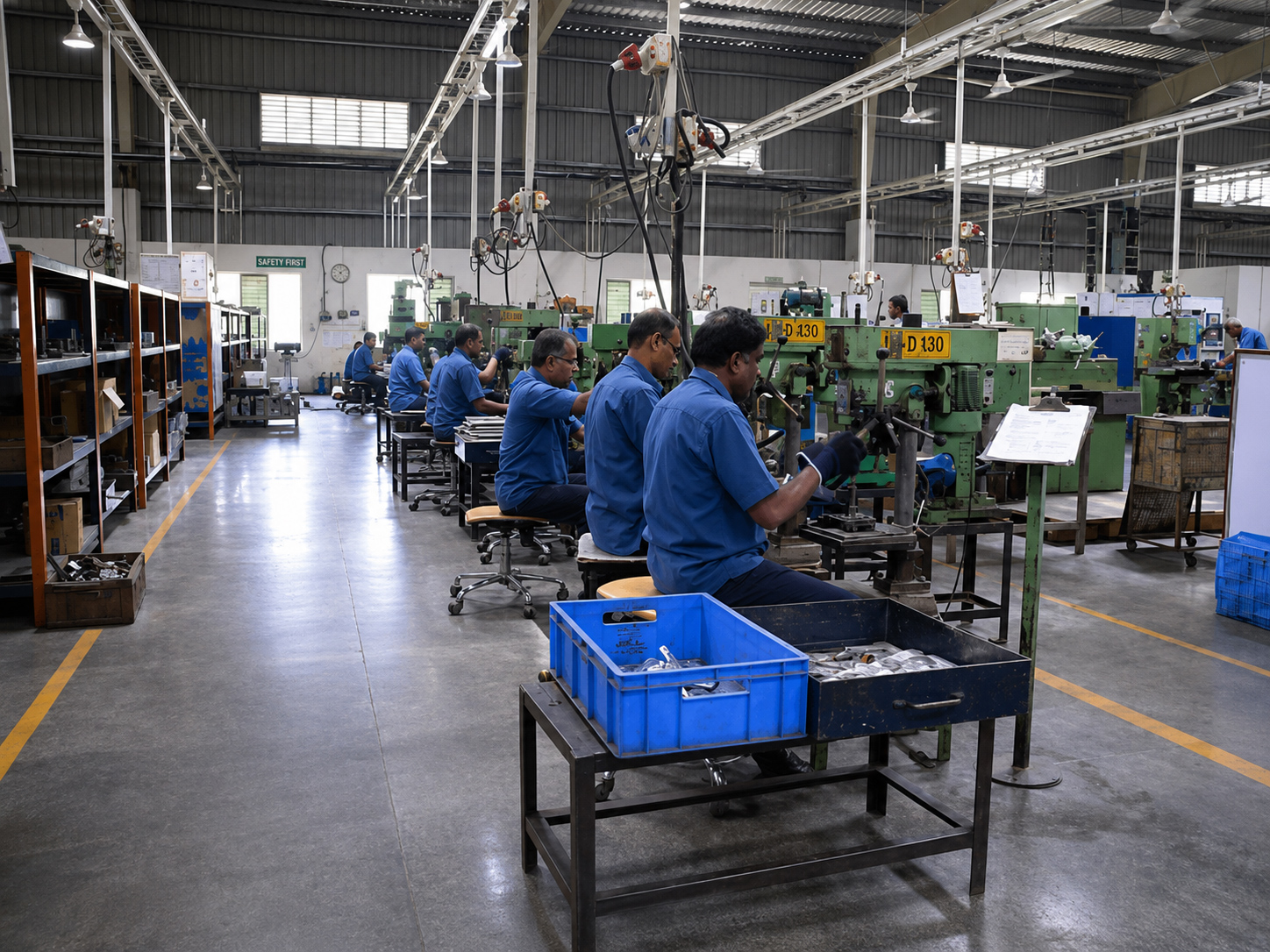
For hospital materials management directors, central sterile processing department (CSPD) managers, and medical device procurement teams in the Chicagoland area, sourcing surgical instruments requires an uncompromised evaluation of metallurgical composition, mechanical tolerance, jaw serration alignment, and cycle-sterilization fatigue resistance. Rigor Instruments brings over four decades of direct-factory forging expertise, bridging traditional artisan metalworking with modern ISO-certified Quality Management Systems (QMS).
"The integrity of a surgical hemostatic clamp is determined not merely by visual finish, but by its microscopic grain structure, box-joint alignment under lateral torque, and passivation resistance against stress corrosion cracking during repeated high-temperature steam autoclaving."
Metallurgical Blueprint: AISI Stainless Steel Alloys & Heat Treatment
Our manufacturing plant utilizes premium medical-grade German (DIN 1.4021 / 1.4117) and Japanese (SUS 420J1 / 420J2) stainless steel alloys. These martensitic stainless steel grades are specifically selected for their high carbon-to-chromium ratio, enabling optimal heat treatability and structural memory retainment.
| Specification Parameter |
Rigor Instruments Standard |
Industry Standard Competitor |
Clinical Performance Impact |
| Steel Grade Selection |
AISI 420A / 420B (German & Japanese Specs) |
Generic 304 / Reclaimed Stainless |
Higher tensile strength, zero flexure distortion under heavy arterial clamping. |
| Rockwell Hardness (HRC) |
HRC 42 – 48 (Vacuum Heat Treated) |
HRC 36 – 40 |
Prevents jaw serration flattening and ratchet slipping after 500+ sterilization cycles. |
| Passivation Process |
ASTM A967 Chemical Citric/Nitric Passivation |
Basic Surface Cleaning |
Eliminates free iron on the surface, preventing pit corrosion, rusting, and staining. |
| Box Joint Machining |
Precision Inter-locking CNC Milling |
Stamped Lapped Joints |
Eliminates lateral wobble, ensuring exact jaw alignment upon closure. |
| Ratchet Mechanism |
3 to 5 Step Precision Locking Teeth |
Coarse Manual File Cuts |
Provides tactile tactile feedback and calibrated holding force across varying vessel sizes. |
Anatomy of Mechanical Hemostasis: Serration Dynamics & Jaw Alignment
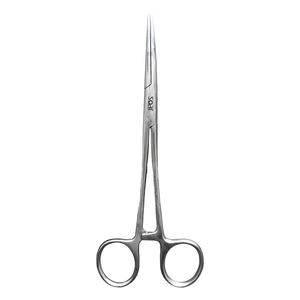
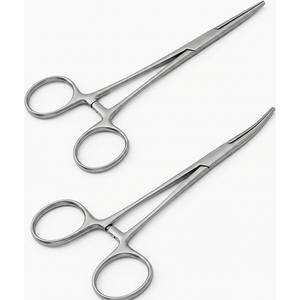
A primary failure mode in lower-tier hemostatic forceps is jaw mis-alignment caused by lateral shear force. When a surgeon engages the ratchet, the interlocking box joint must maintain absolute concentricity. Rigor Instruments engineers each pair of hemostatic forceps—from delicate 12.5cm Halsted Mosquito forceps to robust 20cm Kocher clamps—with hand-adjusted joint tolerances below 0.02mm.
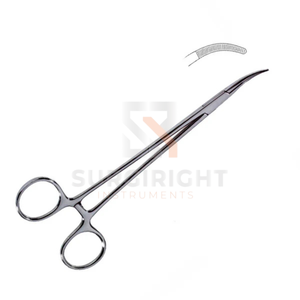
Furthermore, our transverse jaw serrations are precision-cut (not stamped) at exact 90-degree angles to the longitudinal axis of the blade. This guarantees uniform pressure distribution across clamped vascular structures, stopping endothelial slippage without crushing surrounding soft tissue.
Procurement & Market Intelligence
Chicago & Midwest Medical Procurement Trends (2026 & Beyond)
The healthcare procurement landscape in Illinois is undergoing a strategic structural shift. Inflationary pressures, group purchasing organization (GPO) consolidations, and supply chain disruptions experienced in recent years have pushed hospital procurement officers to diversify their vendor base beyond traditional monolithic distributors.
1. Shift Toward Direct Manufacturer Sourcing & Supply Chain Resilience
Healthcare systems across Illinois are increasingly bypass warehousing intermediaries to contract directly with verified overseas OEMs. Direct sourcing guarantees inventory continuity, eliminates 30-50% middleman price inflation, and allows customized buffer stock management tailored to Chicago hospital demand cycles.
2. Stringent Illinois Department of Public Health (IDPH) & Sterilization Standards
With Central Sterile Processing Departments (CSPD) facing heightened scrutiny regarding hospital-acquired infections (HAIs), instruments must withstand aggressive enzymatic cleaning detergents, ultrasonic bath cavitations, and repeated 134°C (273°F) saturated steam sterilization cycles. Sub-standard carbon-steel or poorly passivated instruments quickly exhibit pitting, surface staining, and stiffness—leading to premature discard. Rigor Instruments’ proprietary passivation technology guarantees long-term chemical resistance.
3. Sustainability & Reusable Stainless Steel vs. Single-Use Environmental Impact
Chicago healthcare institutions are actively setting sustainability targets to reduce medical waste. Premium reusable stainless steel hemostatic forceps provide an eco-friendly carbon footprint reduction compared to single-use plastic/metal hybrids, delivering a vastly superior Total Cost of Ownership (TCO) over a multi-year lifecycle.