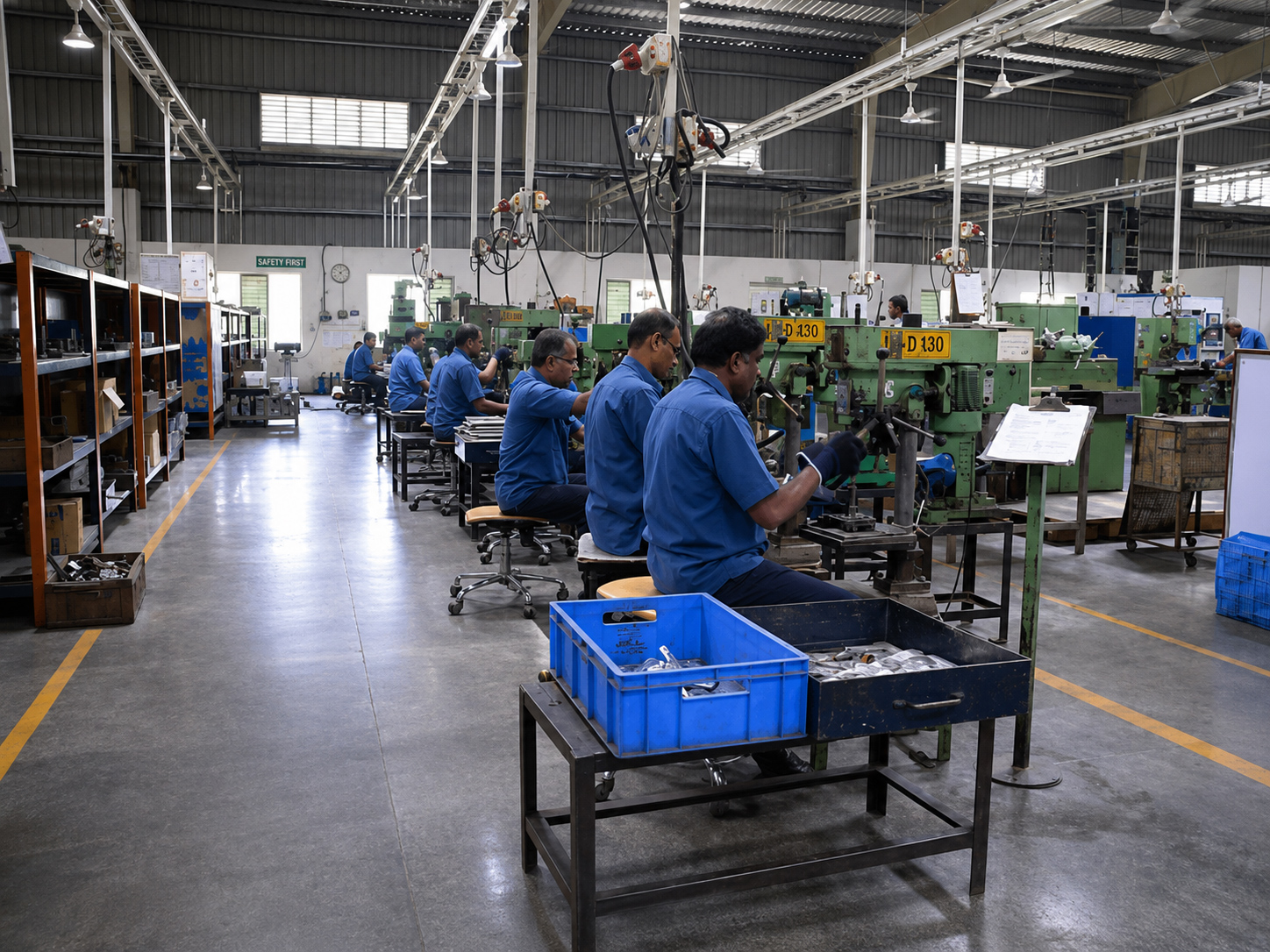
■ Technical Benchmark: Evaluating Top Ophthalmic Micro Forceps Factories & Suppliers
Ophthalmic surgery represents the pinnacle of micro-surgical precision. Performing procedures such as capsulorhexis during cataract extraction, internal limiting membrane (ILM) peeling, vitreoretinal traction release, or corneal suturing requires instruments engineered to exacting physical tolerances. Within this domain, micro forceps serve as the primary tactile extension of the surgeon's hands. Choosing a qualified, audited manufacturing supplier is not merely a supply-chain task; it is a critical clinical outcome factor.
Leading global OEM/ODM factories in specialized clusters like Sialkot, Pakistan, combined with metallurgy imported from Germany and Japan, have fundamentally transformed the economics of ophthalmic supply chains. Medical device procurement directors must evaluate micro forceps factories based on three core structural pillars: metallurgical composition, micro-jaw alignment micro-tolerances, and dynamic spring tension consistency.
Information Gain Insight: Premium micro forceps tips require a jaw parallelism variance of under 3 microns (µm). Sub-standard manufacturing results in tissue slippage, anterior capsule tearing during capsulorhexis, or micro-fraying of delicate 10-0 nylon sutures.
When procuring micro instruments—including Capsulorhexis Forceps, Tying Forceps, Utrata Forceps, Bonnet-Decker Micro Forceps, and Vitreoretinal 23G/25G/27G instruments—procurement managers must demand comprehensive raw material certifications (such as DIN EN 10204 3.1) and verifiable ISO 13485 quality systems.
■ Metallurgical & Engineering Material Comparison Matrix
The performance, weight, tactile feedback, and lifespan of ophthalmic micro forceps are dictated by their alloy composition. Below is an engineering evaluation comparing the primary metals utilized by top surgical instrument factories:
| Material Grade |
Tensile Strength (MPa) |
Corrosion Resistance |
Tactile Feedback & Weight |
Sterilization Life (Autoclave Cycles) |
Primary Clinical Application |
| Titanium Alloy (Ti-6Al-4V Grade 5) |
895 - 930 |
Ultra-High (100% Non-Magnetic) |
Ultra-Light (45% lighter than steel), Supreme Tactile Sensitivity |
> 2,500 Cycles (134°C Thermal Shock Resistant) |
Vitreoretinal 25G/27G Micro Forceps, Premium Capsulorhexis |
| German Stainless Steel (AISI 420 / DIN 1.4117) |
650 - 800 |
High (Passivated ASTM F86) |
Balanced Weight, Excellent Jaw Hardness (Rockwell 50-54 HRC) |
> 1,500 Cycles |
Standard Reusable Micro Forceps, Corneal Suturing, Tying Forceps |
| Tungsten Carbide (TC) Inserted Jaws |
N/A (Insert Tip) |
Very High |
Firmer Grip, Slightly Tip-Heavy Balance |
> 1,800 Cycles |
Needle Holders, Heavy-Duty Micro Grasping Forceps |
| Japanese SUS420J2 Stainless Steel |
590 - 740 |
High |
Good Flexibility, Smooth Spring Action |
> 1,200 Cycles |
General Ophthalmic & Microsurgical Forceps Sets |
⚙️
Micro-Serrated Alignment
Precision hand-grinding under 40x magnification microscopes ensures tip symmetry and tooth alignment without burrs or sharp edges that tear delicate ocular tissue.
🛡️
Passivation & Anti-Corrosion
All stainless instruments undergo chemical passivation according to ASTM F86 standards, eliminating free iron particles and preventing pitting during autoclave cycles.
🔬
Tactile Spring Ergonomics
Calculated handle elasticity guarantees linear resistance. Surgeons experience zero finger fatigue during high-stakes posterior segment procedures.
🏷️
OEM Private Labelling
Full private-label capabilities including high-precision laser marking for catalog numbers, lot codes, UDI (Unique Device Identification), and custom brand logos.
🌐
Global Regulatory Compliance
Fully compliant with EU MDR 2017/745, US FDA 510(k) registration standards, ISO 9001:2015, and ISO 13485:2016 quality systems.
📦
Export-Ready Packaging
Instruments are delivered in sterile-ready silicone tip protector sleeves, anti-static vacuum packs, or customized surgical box kits ready for distribution.
■ Strategic Procurement Trends in Ophthalmic Micro Forceps (2026–2030)
The global ophthalmic surgical instrument market is undergoing a seismic shift driven by technological innovations in minimally invasive vitreoretinal surgery (MIVS) and modern cataract removal techniques. B2B medical supply procurement teams must align their vendor selection with the following major trends:
1. The Rise of 25G and 27G Ultra-Micro Vitreoretinal Instrumentation
Transconjunctival sutureless vitrectomy (TSV) has pushed gauge sizes down from 20G and 23G to 25G and 27G (shaft diameters as fine as 0.4mm and 0.3mm). Manufacturing forceps for 27G trocars demands extreme structural integrity. Leading factories are shifting from traditional stainless steel shafts to nitinol and aerospace titanium alloys to prevent shaft bending while maintaining precise actuation of internal grasping jaws.
2. Shift Toward Single-Use / Reusable Hybrid Supply Models
While reusable titanium forceps remain favored by high-volume hospitals due to long-term cost benefits, single-use micro forceps tips are gaining rapid market share in ambulatory surgery centers (ASCs) to mitigate cross-contamination risks and sterilization labor costs. High-performing factories now offer hybrid modular systems: reusable ergonomic titanium handles paired with interchangeable, factory-calibrated sterile single-use tips.
3. Integration with Robotic-Assisted Ophthalmic Surgery (RAMS)
As robotic surgical platforms enter ophthalmic operating rooms, micro forceps design is adapting. Suppliers are introducing micro-forceps featuring standardized robotic-arm mounting collars, zero-backlash hinges, and digital sensor integration for force-feedback tracking. Procurement managers must evaluate whether a supplier's engineering team possesses CAD/CAM capabilities to adapt to robotic-compatible OEM requests.
4. Sustainable Manufacturing & Supply Chain Resilience
Western healthcare buyers are increasingly enforcing strict ESG (Environmental, Social, and Governance) scorecards on medical device vendors. Tier-1 factories in manufacturing hubs like Sialkot are leading this transition by integrating closed-loop chemical passivation tanks, solar-powered forging facilities, and plastic-free bio-degradable shipping protection packaging.
■ Frequently Asked Questions (B2B Procurement & Sourcing FAQ)
Clear answers to common questions asked by hospital purchasing directors, medical distributors, and OEM brand managers:
Q: What raw steel grades are used for your ophthalmic micro forceps?
We strictly source premium surgical-grade German stainless steel (AISI 420/DIN 1.4117) and Japanese SUS420J2 steel for our reusable micro forceps. For titanium instrument lines, we utilize medical Grade 5 Titanium alloy (Ti-6Al-4V ELI) offering exceptional strength-to-weight ratios and 100% non-magnetic properties for MRI compatibility.
Q: What is the Minimum Order Quantity (MOQ) for OEM / Custom Private Labeling?
For standard catalog items with custom laser logo engraving and custom packaging, our typical MOQ starts at just 20 to 50 pieces per model. For completely bespoke instrument designs requiring specialized tooling or custom jaw geometry, MOQs are negotiated based on technical drawings and prototyping costs.
Q: How do you ensure tip symmetry and prevent tissue scuffing under 40x magnification?
Our master artisans utilize 40x stereoscopic binocular optical systems during the manual grinding, alignment, and deburring phases. Every tip is tested against microscopic gauge ribbons to guarantee smooth closure, zero overlapping, and uniform pressure distribution along the jaw gripping surface.
Q: Are your instruments compliant with EU MDR and US FDA regulations?
Yes. Our manufacturing facilities operate under fully certified ISO 13485:2016 and ISO 9001:2015 Quality Management Systems. Our products carry CE marking, comply with EU Medical Device Regulation (MDR 2017/745), and are registered with the US FDA, backed by complete technical files and material traceability documentation.
Q: What is the typical lead time for international export orders?
Standard catalog inventory orders ship within 10 to 14 business days. Wholesale or OEM production runs typically require 3 to 5 weeks depending on total volume, complexity, and custom packaging requirements. Express air freight options via DHL/FedEx ensure rapid global delivery.
Q: What sterilization parameters are recommended for your reusable forceps?
Our reusable stainless steel and titanium forceps are engineered for heavy-duty autoclave cycles. We recommend standard steam sterilization at 134°C (273°F) for a minimum holding time of 4 minutes in accordance with DIN EN 285 standards. Delicate micro tips must always be secured in silicone instrument trays or protective tip sleeves during processing.