Discover the latest industry trends, regulatory guidelines, manufacturing standards, and clinical instrument guides from Rigor Instruments.
OEM & Quality Knowledge
Precision Manufacturing & Standards
In-depth guides on ISO certifications, surgical stainless steel grades, and custom tool engineering.
Global Healthcare Insights
Medical Export & Regulatory Guides
Stay informed about international health authority regulations, import standards, and clinic equipment requirements.
Top China Micro Surgical Instruments Manufacturers & Factory
White Paper & Global Sourcing Guide: Technical Specifications, Metallurgical Standards, and Enterprise Supply Chain Evaluation for High-Precision Microsurgical Instrumentation
Featured Precision Microsurgical Products
Explore our CE-certified, medical-grade endoscopic, minimally invasive, and microsurgical instrument sets manufactured to international hospital standards.
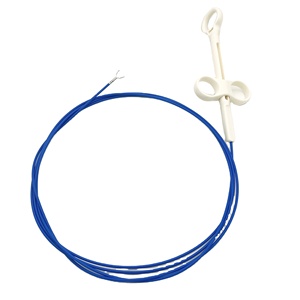
Gastroenterology Rotatable Disposable Endoscopic Hemoclip With Claw Angle 135
1. Executive Summary: The Evolution of China’s Micro Surgical Instrumentation Ecosystem
Over the past two decades, China has undergone a monumental structural shift from a high-volume low-cost medical consumable manufacturer to an advanced global hub for high-precision microsurgical tools, endoscopic equipment, and specialized surgical sets. Modern microsurgery—spanning neurosurgery, ophthalmic procedure, gastroenterology, functional endoscopic sinus surgery (FESS), plastic surgery, and unilateral biportal endoscopic (UBE) spinal surgery—demands sub-millimeter tolerances, absolute mechanical repeatability, and flawless metallurgical integrity.
For global hospital procurement directors, OEM medical brands, and surgical equipment distributors, navigating China’s industrial manufacturing landscape requires an in-depth technical understanding of regional manufacturing clusters, quality assurance protocols, material engineering, and international regulatory compliance frameworks. Leading Chinese manufacturing facilities, such as those integrated into certified ISO 13485 production environments, combine German and Japanese surgical steel alloys with automated 5-axis CNC machining, micro-EDM (Electrical Discharge Machining), and hand-finished honing by master artisans.
Key Information Gain Insight: The competitive edge of top-tier Chinese surgical instrument manufacturers lies in "Hybrid Precision Manufacturing"—combining automated CNC micro-milling for dimensional consistency (within ±0.005mm) with manual hand-crafting for tactile tension calibration, critical for micro-forceps, rotatable hemoclips, and fine tissue dissecting scissors.
This white paper provides enterprise buyers with a comprehensive, evidence-based procurement roadmap. It details technical metallurgical standards, critical quality control gates, future procurement trends through 2030, and an actionable comparative framework for validating Chinese micro-surgical equipment manufacturers against global benchmarks.
2. Metallurgical Engineering & Material Science in Microsurgical Tools
The structural efficacy of microsurgical tools—such as 135° rotatable endoscopic hemoclips, plastic surgery facelift forceps, and UBE spinal reamers—depends strictly upon raw material selection and heat treatment dynamics. Premier Chinese surgical instrument factories implement rigorous incoming raw material spectral testing to verify compliance with international medical steel standards (ASTM F899 / ISO 7153-1).
A. Primary Surgical Grade Alloys Utilized in Precision Manufacturing
Understanding material properties enables purchasing officers to specify exact steel grades based on clinical performance demands:
AISI 420J2 / X30Cr13 (Martensitic Steel)
High hardness capability (50-54 HRC) after vacuum heat treatment. Ideal for sharp cutting instruments including micro-scissors, FESS sinus punches, and tissue nippers requiring long-lasting edge retention.
AISI 316L / 1.4404 (Austenitic Steel)
Ultra-low carbon steel providing supreme corrosion resistance against harsh enzymatic detergents and repeated steam autoclave cycles (134°C). Standard for disposable endoscopic grasping sheaths and diagnostic handles.
Titanium Alloy (Ti-6Al-4V ELI / Grade 5)
40% lighter than steel, non-magnetic (MRI compatible), and exceptionally resistant to fatigue. Essential for delicate micro-vascular needle holders, ophthalmic tweezers, and ultra-fine neurosurgical forceps.
B. Surface Passivation & Advanced PVD Coating Technologies
Corrosion resistance in reusable micro-surgical tools is not merely a material property—it is achieved through automated chemical passivation. Top Chinese manufacturers subject finished instruments to citric or nitric acid passivation baths (ASTM A967 compliant) to build a chromium oxide passive layer. Furthermore, high-end tools receive Titanium Nitride (TiN) or Diamond-Like Carbon (DLC) physical vapor deposition coatings, increasing surface hardness up to 2500 HV and eliminating glare under high-intensity operating room lighting.
To evaluate OEM suppliers effectively, buyers must analyze manufacturer capabilities across specialized surgical domains:
Endoscopic & Gastroenterology
Focuses on flexible mechanical transmission systems. Devices such as Gastroenterology Rotatable Disposable Endoscopic Hemoclips utilize 360° synchronized rotation cables and 135° claw openings to achieve rapid hemostasis in GI bleeding procedures. Requires 100% actuation testing for smooth sheath deployment.
ENT & FESS Instruments
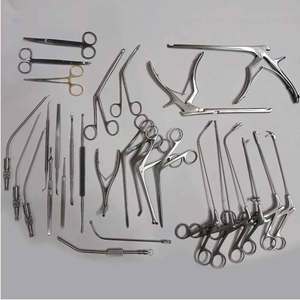
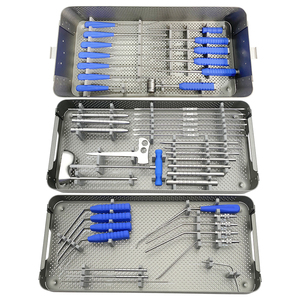
Functional Endoscopic Sinus Surgery (FESS) sets (e.g., 30-piece Tegra sets) feature delicate, micro-bite thru-cutting forceps, sinus curettes, and suction tubes. Precision machining ensures zero tissue tearing, preserving healthy mucosal linings during delicate ethmoidectomy and sphenoidotomy procedures.
UBE Spinal Surgery & Orthopedics
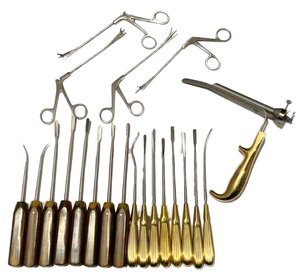
Unilateral Biportal Endoscopic (UBE) spinal instruments are designed for minimally invasive lumbar discectomy. Require ultra-durable rongeurs, curettes, and neural retractors constructed with high fatigue strength steel capable of withstanding heavy bone resection forces under continuous fluid irrigation.
Cosmetic & Facelift Microsurgery
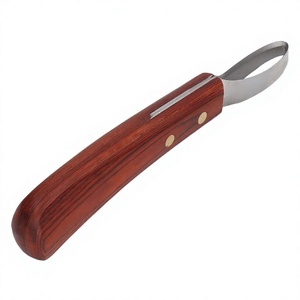
Endoscopic cosmetic surgery toolsets demand micro-dissectors, fine subperiosteal elevators, and optical retractor channels. Smooth matte handles reduce hand fatigue, while non-reflective finishes ensure optimal visibility during endoscopic facial rejuvenations.
Single-Use Foreign Body Forceps
Sterile, individually packed endoscopic grasping tools designed for rapid retrieval of foreign objects. Engineered with high-tensile flexible shafts and ergonomic finger-ring handles, widely applicable across gastroenterology, pulmonology, and specialized veterinary practices.
4. Procurement Outlook 2026-2030: Future Market & Technological Trends
The global microsurgical instrumentation market is entering a transformational phase driven by technological convergence and evolving healthcare economics:
Shift Towards Hybrid Single-Use Instruments
To combat Hospital-Acquired Infections (HAIs) and eliminate complex sterilization validation costs, hospital buyers are rapidly transitioning to single-use endoscopic instruments (e.g., disposable rotatable hemoclips and grasping forceps), while maintaining reusable handles for main chassis sets.
Robotic & MIS Compatibility
Next-generation manual micro-surgical tools are being redesigned with universal quick-connect couplings and wrist-articulation geometry to seamlessly complement robotic-assisted surgical platforms and biportal endoscopic visualization systems.
Strict Traceability & UDI Directives
Both EU MDR 2017/745 and US FDA regulations now mandate Unique Device Identification (UDI) laser-marked QR/GS1 codes on every individual surgical instrument jaw and handle, requiring Chinese factories to integrate automated laser etching directly into cleanroom packing lines.
5. B2B Supplier Benchmark Matrix: China Tier-1 Manufacturers vs. Legacy Global Hubs
When procuring surgical tools in bulk, comparing manufacturing metrics across global production hubs (such as China, Tuttlingen Germany, and Sialkot Pakistan) provides clear economic and strategic context:
Evaluation Criterion
China Tier-1 Manufacturers (e.g., ZRHmed Ecosystem)
ISO 13485:2016, CE Mark, FDA Listed, NMPA Class I/II
ISO 13485:2016, CE MDR, FDA Registered
ISO 9001 (Basic)
OEM Prototyping Lead Time
14 - 21 Days
60 - 90 Days
30 - 45 Days
Cost-to-Performance Ratio
Optimal (60-70% Cost Advantage)
High Premium (Brand Royalty markup)
Low Initial Cost / Variable Fatigue Life
Cleanroom Packaging
ISO Class 8 (100,000 Level) Automatic Blister Sealing
ISO Class 7 Cleanroom Packaging
Standard Non-Cleanroom Outer Packaging
6. Corporate Audit & Quality Assurance Workflow: The 6-Stage Gate System
To ensure 100% defect-free delivery for critical surgical applications, leading Chinese OEM factories enforce an audited 6-stage Quality Assurance workflow:
Gate 01
Spectrometer Steel Verification
X-ray fluorescence (XRF) spectroscopy to verify chemical composition (Cr, Ni, Mo content) of raw steel bars before forging.
Gate 02
Precision CNC Micro-Milling
Sub-micron machining of micro-scissor blades, ratchet teeth, and hinge boxes ensuring effortless articulation.
Gate 03
Stereomicroscopic Alignment Audit
Hand-honing and optical alignment under 40x stereomicroscopes to ensure zero gap at instrument tips.
Gate 04
Autoclave Corrosion Testing
Sample boil and autoclave stress testing (ISO 13402 compliant) to guarantee zero pitting or rust formation.
Gate 05
Tactile Tension Calibration
Precision spring-tension measurement on force grasping jaws to provide consistent tactile feedback for operating surgeons.
Gate 06
Cleanroom Terminal Packaging
UL-certified ethylene oxide (EO) or gamma sterilization packaging within ISO Class 8 cleanrooms prior to export dispatch.
Q1: What certifications are mandatory when importing Chinese micro-surgical instruments into the US or European Union?
For European Union imports, instruments must comply with the Medical Device Regulation (EU MDR 2017/745) and bear a valid CE mark issued by a Notified Body (for Class IIa/IIb reusable or sterile devices) or self-declaration for Class I manual tools. For the United States FDA, the manufacturing facility must hold ISO 13485:2016 registration, complete 510(k) premarket notifications (where applicable), and maintain UDI compliance. Premier Chinese OEM suppliers provide full technical files (Device Master Records, biocompatibility reports per ISO 10993, and sterilization validation documentation per ISO 11135/ISO 11137).
Q2: How do factory quality control teams prevent mechanical fatigue and micro-rust on reusable endoscopic tools?
Micro-rust is primarily caused by un-passivated free iron particles on instrument surfaces or incorrect heat treatment chemistry. Advanced factories mitigate this by subjecting stainless steel (420J2/440C) to automated vacuum heat treatment followed by cryogenic quenching (-80°C to -196°C) to stabilize martensite microstructures. Final passivation in ultrasonic citric acid baths eliminates residual surface tramp iron. Automated boil testing (ASTM F1089) is conducted on random batch samples to ensure zero staining or pitting under steam sterilization.
Q3: Can Chinese factories manufacture custom OEM/ODM surgical sets according to proprietary surgeon drawings?
Yes. Leading factories feature dedicated engineering teams capable of translating 3D CAD files (STEP/IGES) or sample physical prototypes into production tooling within 14 to 21 days. OEM services include custom laser marking (hospital logo, custom catalog number, GS1 barcode), custom handle ergonomics, specialized jaw serration, non-glare ceramic coatings, and custom-molded sterilizing tray layouts (such as complete 30-piece FESS ENT or UBE spinal sets).
Q4: What is the typical minimum order quantity (MOQ) and production lead time for enterprise B2B orders?
Standard catalog items (e.g., standard foreign body grasping forceps, facial cosmetic scalp hooks, or standard BP handles) typically carry low MOQs starting at 10 to 50 units. Customized OEM items or specialized sterile disposable hemoclip assemblies usually require MOQs from 500 to 1,000 units to offset cleanroom validation and tooling setup costs. Production lead times average 20-30 calendar days for standard production batches, supported by expedited air freight logistics.
8. Direct Factory Synergy & Enterprise Procurement Advantages
By partnering directly with certified Chinese surgical instrument manufacturers, healthcare distributors and surgical centers achieve unprecedented supply chain agility without compromising clinical outcomes. Factory-direct relationships eliminate intermediary markups, yielding a 40% to 60% reduction in total procurement spend while providing direct access to tooling engineers for bespoke product modifications.
Every instrument supplied across our product lines—from gastroenterology rotatable clips and FESS ENT sets to UBE spine tools and plastic surgery facelift forceps—undergoes rigorous multi-stage quality checks backed by comprehensive ISO 13485 material traceability certifications.
Accelerate Your Surgical Supply Chain Precision Today
Connect directly with our senior biomedical engineering and procurement support team to request technical datasheets, factory audit reports, custom OEM quotations, or sample evaluations.