The global general surgery sector is undergoing a profound paradigm shift driven by minimally invasive surgery (MIS), endoscopic assistance, robotic surgery, and computerized operating theaters. Traditional surgical tool manufacturing is rapidly modernizing to meet these heightened technological requirements. Procurement professionals sourcing from China must recognize several core technological shifts:
1. Shift Toward Hybrid Single-Use and Precision Reusable Tooling
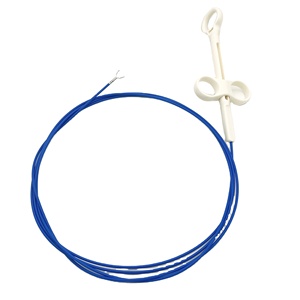
While reusable instruments made from high-grade German stainless steel remain the standard for open procedures, gastroenterology and sinus surgery increasingly adopt disposable endoscopic hemoclips, foreign body forceps, and electrosurgical graspers. This hybrid model mitigates cross-contamination risks, eliminates complex hospital reprocessing costs, and guarantees sterile tip sharpness for delicate procedures.
2. Advanced Surface Engineering & Anti-Glare PVD Coatings
Surgeons operating under high-intensity LED surgical light displays or high-definition endoscopic monitors face glare fatigue. Advanced manufacturers now apply Physical Vapor Deposition (PVD) titanium nitride (TiN) and ceramic black oxide coatings. These nano-coatings reduce surface reflection, increase surface hardness by up to 300%, and lower coefficient friction during tissue manipulation.
3. Ergonomic Weight Reduction & Titanium Alloys
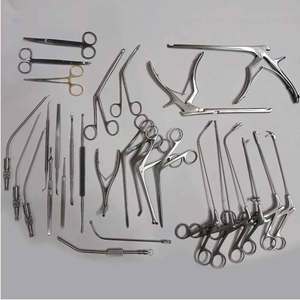
Prolonged surgical procedures place physical strain on surgical teams. Leading Chinese manufacturers are incorporating aviation-grade titanium alloys (Ti-6Al-4V) for large retractor systems and micro-vascular needle holders. Titanium instruments offer a 40% weight reduction compared to traditional stainless steel while maintaining structural rigidity and complete magnetic resonance imaging (MRI) compatibility.
4. Micro-Precision Machining for UBE and Endoscopic Surgery
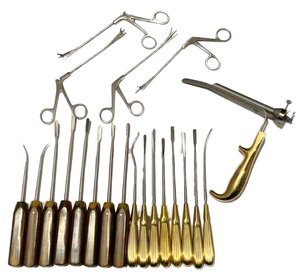
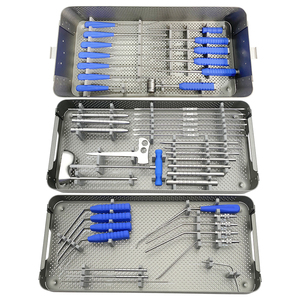
The growth of Unilateral Biportal Endoscopy (UBE) in spinal and orthopedic surgery demands specialized micro-forceps, rotatable shavers, and specialized curettes with shaft diameters under 3.5mm. Manufacturing these tight tolerances requires multi-axis Swiss-type CNC automatic lathes and electrical discharge machining (EDM) capable of achieving tolerances within ±0.005mm.