Industry Whitepaper Report
State of Surgical Cannula Manufacturing: Engineering Precision & Procurement Excellence
Surgical cannulas represent one of the most critical interfaces between medical technology and patient anatomy. As global healthcare systems rapidly accelerate the adoption of Minimally Invasive Surgery (MIS), laparoscopic procedures, and advanced fluid/gas delivery systems, the international demand for precision-engineered surgical cannulas has expanded exponentially. Modern surgical cannulas are no longer simple hollow tubes; they are sophisticated medical fluidic pathways designed with microscopic wall tolerances, biocompatible metallurgy, ergonomically calibrated hubs, and leak-proof seal assemblies.
As a leading Chinese surgical cannula manufacturer and global export partner, our manufacturing ecosystem combines over 40 years of metallurgical heritage with state-of-the-art automated CNC machining, high-precision laser welding, micro-bevel grinding, and Class 100,000 cleanroom assembly. Supplying healthcare institutions, clinical distributors, and medical device OEMs across more than 50 countries, we adhere strictly to international regulatory frameworks including ISO 13485, ISO 9001:2015, European Union Medical Device Regulation (EU MDR 2017/745), and US FDA device listing standards.
Key Information Gain for Global Procurement Directors
This industry report provides hospital procurement officers, medical distributors, and surgical OEM buyers with a technical framework for evaluating material integrity, flow rate optimization, regulatory compliance, cost-to-performance metrics, and supply chain trends in surgical cannula procurement from top-tier Chinese manufacturers.
Factory Capabilities
Why Top Global Medical Brands Partner with Our Manufacturing Hub
Sourcing surgical instruments globally requires a thorough risk mitigation strategy. Inconsistent tube wall thicknesses, micro-burrs along distal ports, compromised silicone seal elasticity, or improper passivation can lead to grave clinical complications, including tissue trauma, surgical site infections, or intraoperative device failure. Our manufacturing infrastructure directly addresses these vulnerability vectors through rigorous end-to-end quality control.
German & Japanese Metallurgy Integration
We utilize raw surgical-grade materials sourced from trusted metallurgical suppliers, including AISI 316L, 316LVM (Vacuum Melted Stainless Steel), AISI 304, Nitinol shape-memory alloys, and medical-grade polymers (PTFE, FEP, Polycarbonate, and liquid silicone rubber).
- High tensile strength preventing shaft deflection under intraoperative shear force.
- Superior electrochemical passivation rendering surfaces completely immune to corrosion during repetitive autoclave cycles.
- Micro-polished internal lumen surfaces (Ra < 0.2 µm) to eliminate hemolysis and fluid resistance.
Class 100,000 ISO Cleanroom Manufacturing
Single-use sterile surgical cannulas and laparoscopic trocars are injection molded, assembled, ultrasonic cleaned, and primary-packaged inside certified ISO Class 8 / Class 100,000 controlled environments.
- Validated Ethylene Oxide (EtO) and Gamma Irradiation sterilization processing complying with ISO 11135 and ISO 11137.
- Automated optical vision inspection system verifying 100% of tip geometries and port alignments.
- Zero-tolerance pyrogen and bioburden testing protocols under ISO 10993 cytotoxicity standards.
Clinical Specialization
Deep Technical Categorization of Surgical Cannula Systems
Different clinical specialties demand vastly unique mechanical performance profiles from surgical cannulas. As a comprehensive China surgical cannulas supplier, our research and engineering teams optimize product designs for distinct surgical disciplines:
Laparoscopic Optical Trocars & Cannulas
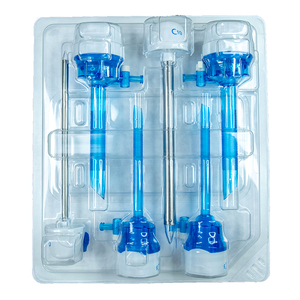
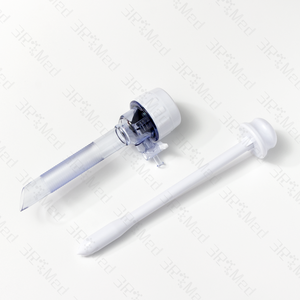
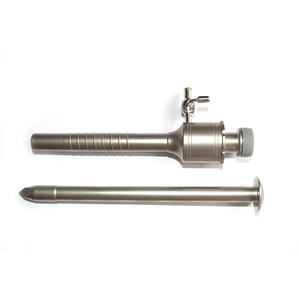
Designed for minimal tissue disruption during abdominal access. Featuring dilating bladeless tips that part abdominal muscle fibers rather than cutting them, significantly reducing postoperative hernia risk. Integrated silicone double-valves maintain stable pneumoperitoneum (12-15 mmHg) during instrument swaps.
High-Flow Respiratory Cannulas (HFNC)
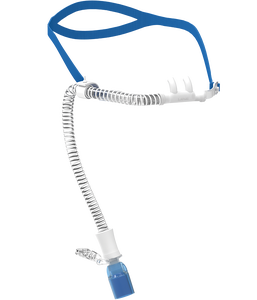
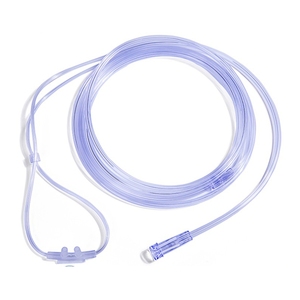
Engineered for critical care oxygen therapy. Manufactured from ultra-soft, phthalate-free biocompatible silicone that prevents nasal septum mucosa ulceration. Delivering heated, humidified gas blends at flows up to 60 L/min with low backpressure dynamics for neonates, pediatric, and adult patients.
Liposuction & Soft Tissue Cannulas
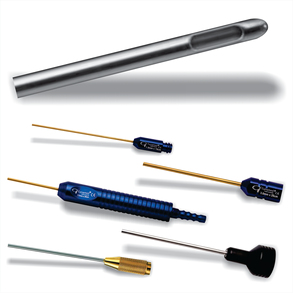
Designed for plastic surgery and autologous fat transfer. Features multi-port configurations (Mercedes, Tri-Port, Basket) with rounded cell-friendly tips engineered to harvest high-viability adipocytes while preserving neurovascular bundles and minimizing patient bruising.
Technical Data Visualization
Comparative Matrix: Surgical Cannula Specifications & Standards
To assist clinical procurement managers in selecting the ideal cannulation devices, the following matrix outlines key engineering parameters across our primary product series:
| Category |
Primary Material |
Size / Gauge Range |
Sterilization Method |
ISO / CE Standard |
Key Engineering Feature |
| Laparoscopic Trocar Cannula |
Medical PC + Silicone / 316L Stainless Steel |
5mm, 10mm, 12mm, 15mm |
EtO Sterile / Autoclave (134°C) |
ISO 13485 / CE Class IIa |
Optical transparent window; zero-leak seal matrix |
| High-Flow Nasal Cannula (HFNC) |
Medical Silicone & Phthalate-free PVC |
Infant, Pediatric, Adult S/M/L |
Gamma Sterilization |
ISO 5356 / CE Class IIa |
Kink-resistant star-lumen tube; soft prong flex |
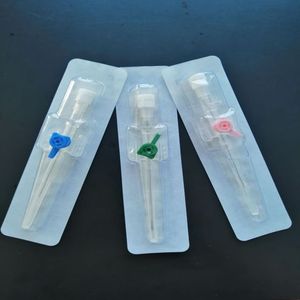
| Vascular IV Catheter Cannula |
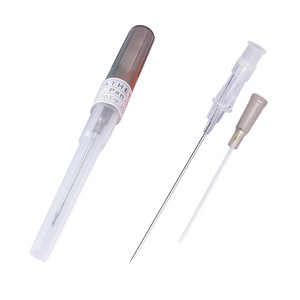
FEP / PTFE + Japanese Steel Needle |
14G, 16G, 18G, 20G, 22G, 24G |
EtO Sterile |
ISO 10555 / CE Class IIa |
Back-cut needle point; passive safety shield layout |
| Conventional Lipo Cannula |
German AISI 304 / 316L Stainless Steel |
1.5mm – 4.0mm Dia; 15cm – 35cm Length |
Autoclavable Reusable |
ISO 7153-1 / CE Class I |
Hand-crafted port geometry; cell-viability retention |
| Veterinary IV Cannula |
Heavy-duty Medical PVC & Steel |
12G, 14G, 16G, 18G |
EtO Sterile |
ISO 9001 / ISO 13485 |
Suture-wings for secure animal hide fixation |
Industry Forecasting
Future Procurement Trends in Surgical Cannula Manufacturing (2025–2030)
As the global medical device market undergoes rapid technological evolution and supply chain restructuring, hospital procurement officers and OEM distributors must anticipate key industry shifts when establishing vendor relationships with Chinese manufacturers.
1. Shift Toward Hybrid Reusable-Disposable Models
While single-use disposable laparoscopic trocars dominate Western markets due to infection control protocols, environmental sustainability pressures are driving demand for hybrid systems. Hospitals are increasingly procuring reusable stainless steel outer cannula sheaths paired with low-cost disposable silicone seal valves, reducing medical plastic waste by up to 60% without compromising sterility.
2. Ultra-Thin Wall Metallurgy & Micro-Flow Optimization
Advancements in precision cold-drawing of stainless steel tubing allow modern cannulas to feature ultra-thin walls while maintaining structural rigidity. This engineering breakthrough increases internal lumen volume, enabling higher volumetric flow rates in smaller outer diameter (OD) profiles, thereby minimizing incision trauma in pediatric and ophthalmic micro-surgeries.
3. Smart Cannulas with Integrated Sensors
The next decade will see the commercialization of smart surgical cannulas equipped with embedded micro-sensors for real-time intraluminal pressure, gas flow, and tissue temperature telemetry. Leading Chinese manufacturers are investing heavily in R&D to integrate micro-electronic elements directly into medical sheaths for robotic-assisted surgery platforms.
Regulatory Excellence
Navigating Global Quality Compliance: EU MDR, FDA, & ISO 13485
The regulatory landscape for medical devices has become significantly more rigorous. The enforcement of the European Union Medical Device Regulation (EU MDR 2017/745) has elevated the requirements for clinical evaluation, Post-Market Surveillance (PMS), and Unique Device Identification (UDI) compliance. Sourcing surgical cannulas from a certified manufacturer who possesses full technical documentation is mandatory to prevent customs seizures and regulatory recalls.
Our manufacturing facility maintains a robust quality management framework designed to streamline international compliance for our commercial partners:
Comprehensive Regulatory Documentation Standard Package
Every bulk surgical cannula export shipment includes full batch traceability reports, raw material metallurgical mill test certificates (EN 10204 3.1), EtO residual analysis reports (ISO 10993-7), accelerated shelf-life stability test data, and sterile barrier integrity documentation (ISO 11607).
Buying Guide
Frequently Asked Questions (FAQ) for Surgical Cannula Procurement
Here are detailed answers to the most common questions raised by medical device buyers, distributors, and hospital procurement departments when placing volume orders:
Q1: What stainless steel grades are used in your surgical cannula production?
We primarily use AISI 316L and 316LVM (Vacuum Arc Remelted) stainless steel for surgical cannulas requiring high corrosion resistance and maximum biocompatibility. For sharp piercing needles and rigid trocar obturators, we utilize high-tensile AISI 304 and Japanese 420 stainless steel hardened via precision heat treatment.
Q2: Can you support OEM, private label, and custom cannula drawings?
Yes, we specialize in OEM/ODM contract manufacturing. We offer precision laser marking for custom logos, customized gauge sizes, specialized distal port arrangements (e.g., custom lipo cannula hole patterns), bespoke hub connectors, and private-label blister packaging branded to your corporate identity.
Q3: What are your minimum order quantities (MOQ) for stock and OEM orders?
For standard catalog items, our MOQ starts as low as 500 units per model. For custom OEM projects requiring new injection molds or specialized tooling, MOQs typically range from 2,000 to 5,000 units, depending on the complexity of the design and material specifications.
Q4: How do you ensure leak-free performance on laparoscopic trocar cannulas?
Each laparoscopic trocar cannula undergoes automated pneumatic differential pressure testing inside our quality control laboratory. Our proprietary liquid silicone double-sealing valve system is tested up to 30 mmHg (double standard intraoperative abdominal pressure) to guarantee zero pneumoperitoneum gas leakage during prolonged surgical procedures.
Q5: What are your standard lead times for international shipping?
Standard catalog products are dispatched within 15–20 working days. Customized OEM manufacturing runs generally take 30 to 45 days, including EtO sterilization validation and quality inspection routines. Express air freight and ocean freight logisitics are fully managed by our export department.
Q6: Do your products comply with sterile packaging validation standards?
Absolutely. All single-use sterile cannulas are packaged in Tyvek/film medical pouch combinations validated under ISO 11607 standards for microbial barrier integrity, maintaining a certified 5-year shelf-life sterility guarantee under proper storage conditions.