Evaluating Chinese manufacturing infrastructure, metallurgic specifications, and regulatory compliance protocols for high-load external fixation systems.
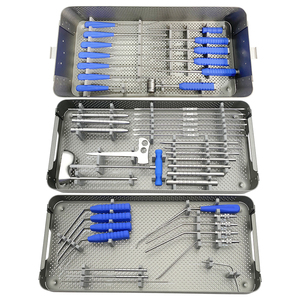
In modern orthopedic trauma management and reconstructive surgery, selecting a qualified China best external fixators supplier requires far more than comparing basic unit pricing. External fixation systems—ranging from monolateral limb reconstruction frames to complex Ilizarov ring assemblies and computer-assisted spatial hexapods—are Class IIb/Class II medical devices that bear primary dynamic loads during bone healing. The structural integrity, biocompatibility, pin-clamp friction co-efficiency, and radiolucency of these systems directly dictate surgical outcomes, callus formation rates, and post-operative infection risks.
Over the past two decades, China’s orthopedic manufacturing landscape has undergone a profound technological transformation. Backed by advanced multi-axis CNC machining, Swiss-type automatic turning centers, and stringent cleanroom packaging capabilities, top-tier Chinese manufacturers now deliver OEM and ODM medical solutions that match or exceed Western clinical benchmarks while offering distinct cost efficiencies. For international hospital procurement networks, medical device distributors, and private-label brand owners, understanding the biomechanical mechanics and supply chain dynamics of Chinese external fixators is critical to building a resilient medical device portfolio.