Industry Whitepaper: Precision Metallurgical & Ergonomic Standards in Bariatric Surgery
Bariatric and metabolic surgical procedures—including Roux-en-Y Gastric Bypass (RYGB), Vertical Sleeve Gastrectomy (VSG), and Single-Anastomosis Duodeno-Ileal Bypass (SADI-S)—present distinctive biomechanical challenges to surgical teams. Patients with severe obesity often possess thick abdominal walls and deeply situated intra-abdominal target organs, demanding surgical tooling engineered specifically for extended reach, high torque resistance, and enhanced tactile sensitivity.
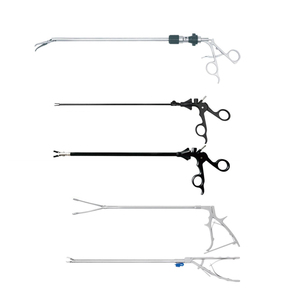
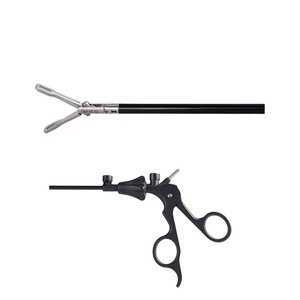
Technical Insight: Standard laparoscopic instruments (typically 31cm to 33cm in working length) fail to provide sufficient depth penetration in patients with a BMI exceeding 40 kg/m². Purpose-built bariatric instruments require extended shaft lengths ranging from 42cm to 45cm, reinforced mechanical linkages to prevent deflection, and specialized jaw profiles to minimize visceral trauma.
1. Metallurgical Integrity & Corrosion Resistance (ASTM F899 & ISO 7153-1)
As a premiere CE certified bariatric surgical instruments supplier and exporter, Rigor Instruments utilizes premium forged surgical stainless steel sourced from Germany (X20Cr13 / X30Cr13) and Japan (SUS420J2). These martensitic steel alloys deliver an optimal balance between tensile yield strength (greater than 1400 MPa) and corrosion resistance.
The manufacturing process incorporates multi-stage vacuum heat treatments resulting in a Rockwell C Hardness (HRC) of 48-52. Furthermore, every instrument undergoes an automated electropolishing and nitric acid passivation treatment in strict alignment with ASTM F899 standards. This chemical treatment removes free surface iron, creating a passive chromium-oxide layer (Cr2O3) that prevents pitting, crevice corrosion, and intergranular degradation during repeated automated washer-disinfector and steam autoclave sterilization cycles (134°C at 2.1 bar pressure).
2. Biomechanical Engineering: Shaft Rigidness & Jaw Kinematics
One of the primary causes of instrument failure during bariatric surgery is shaft flexure under lateral load. When working through dense subcutaneous adipose tissue, insufficient shaft rigidity leads to fulcrum distortion at the trocar site, reducing precision during fine tissue dissection near the gastroesophageal junction.
⚙
Reinforced Double-Pivot Links
Delivers smooth 1:1 tactile power transfer from finger loop to jaw, ensuring consistent grasping force even when fully articulated at 45cm shaft extensions.
🛡
DeBakey Atraumatic Teeth
Micro-interlocking serrations distribute mechanical force evenly across fragile gastric tissue, preventing perforation during stomach retraction and pouch construction.
⚡
Monopolar & Bipolar Insulation
Pinhole-free heat-shrinkable PEEK or fluoropolymer coatings rated up to 1000V high-frequency electrosurgical insulation safeguard against unintended capacitive coupling.
Global Bariatric Instrument Procurement Trends & Market Outlook (2026–2032)
1. Shift Towards Reusable-Disposable Hybrid Surgical Models
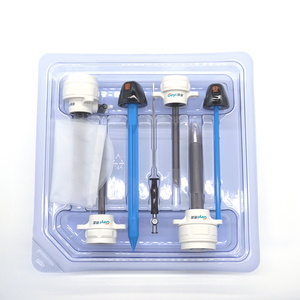
Global healthcare systems are experiencing intense margin pressure coupled with strict environmental sustainability mandates (ESG goals). While disposable trocars and endo-staplers retain high utility, hospitals are aggressively transitioning back from fully single-use instruments toward high-durability, autoclavable reusable bariatric sets.
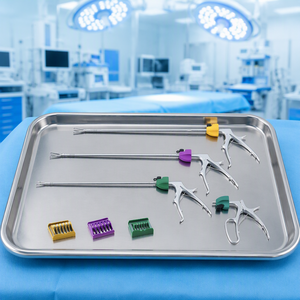
A comprehensive 5-year life-cycle cost analysis reveals that premium reusable bariatric graspers, scissors, and retractor systems reduce per-procedure capital expenditure by up to 68% compared to single-use alternatives, while eliminating surgical plastic waste by over 80%.
2. Regulatory Tightening under EU MDR 2017/745
Procurement teams across Europe, the Middle East, and North America are tightening vendor selection criteria. ISO 13485:2016 certification alone is no longer sufficient; suppliers must demonstrate full compliance with the European Medical Device Regulation (EU MDR 2017/745). Rigor Instruments provides complete technical documentation, risk assessment files (ISO 14971), and UDI (Unique Device Identification) laser-marking compliance for complete supply chain transparency.
3. Rise in Robotic-Assisted & Extended Laparoscopic Hybrid Procedures
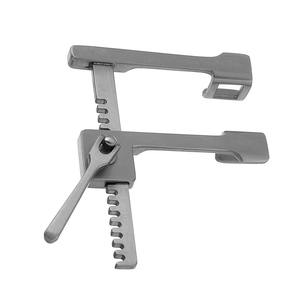
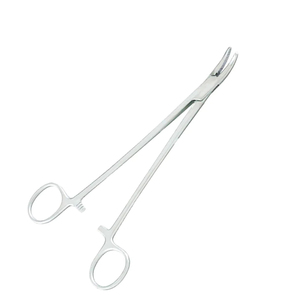
As robotic surgical platforms become more prevalent, there is an increasing demand for specialized manual backup instrumentation that matches the length and access geometry of robotic arms. Bariatric surgeons frequently utilize 45cm manual graspers, liver retractors, and angled mixer clamps in tandem with robotic systems during complex revision surgeries.
Why Global Distributors & Hospitals Partner with Rigor Instruments
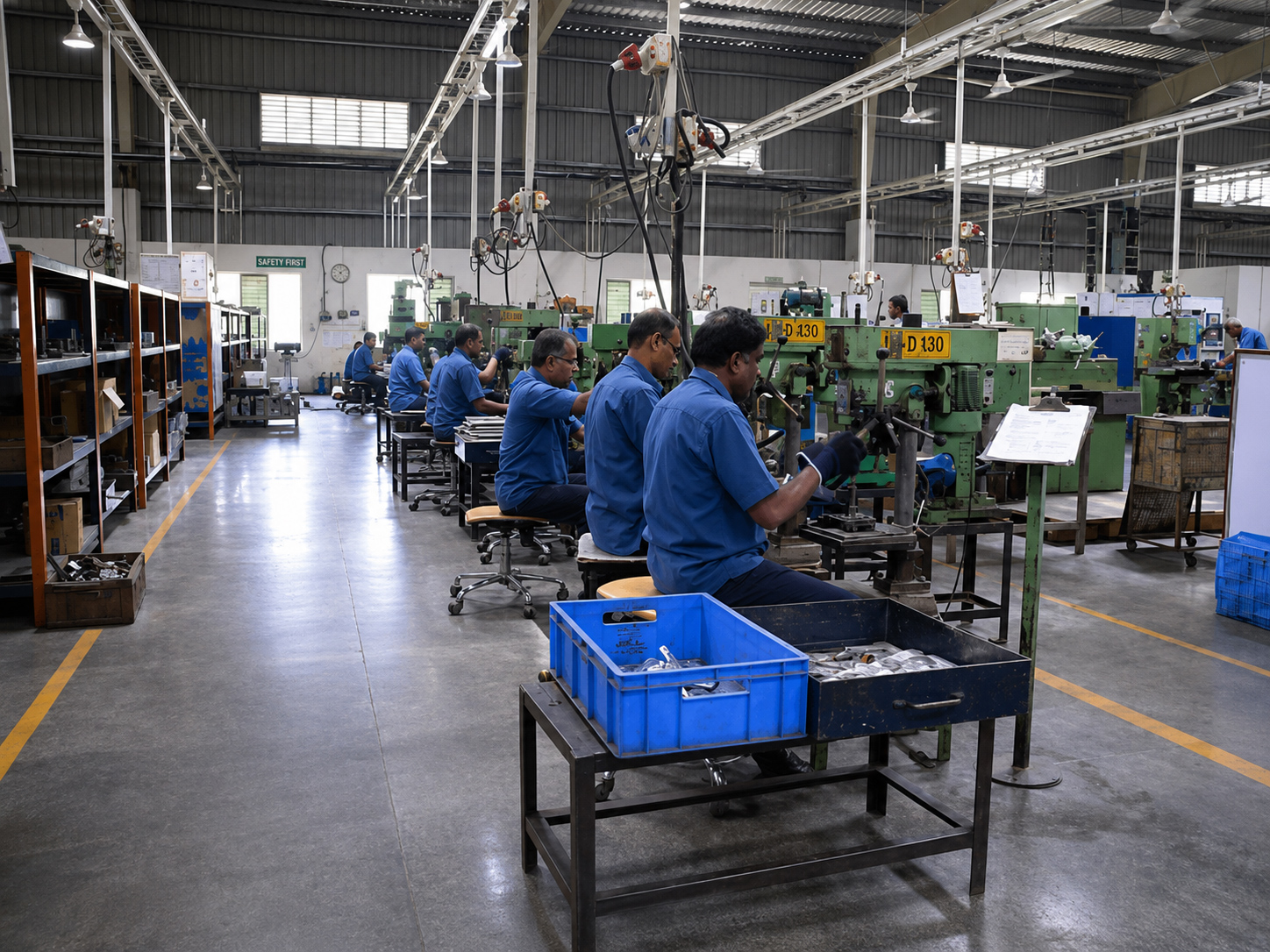
Headquartered in Sialkot, Pakistan—the world's renowned manufacturing center for surgical instrumentation—Rigor Instruments combines over 40 years of traditional metalworking hand-craftsmanship with modern CNC machining, laser welding, and automated quality control protocols.
🏢
Direct OEM / ODM Manufacturing
We provide full-service original equipment manufacturing, customized laser logo branding, private-label packaging, and custom shaft modification for medical brand owners.
📜
Complete Regulatory Compliance
ISO 9001:2015, ISO 13485:2016, CE Mark, and FDA listed facilities ensure seamless customs clearance in over 50 destination countries across Europe, Asia, and Americas.
🔬
Rigorous Passivation Testing
Every batch undergoes boil testing and copper sulfate testing according to ASTM standards to guarantee total chemical passivity and zero oxidation risk.
Frequently Asked Questions (FAQ) - Bariatric Equipment Procurement
Direct answers to critical technical, regulatory, and supply chain queries for hospital buyers and surgical distributors.
Q1: What makes bariatric surgical instruments different from general surgery tools?
Bariatric instruments are specifically engineered with extended working shaft lengths (typically 42cm to 45cm, compared to standard 31cm-33cm), reinforced shaft wall thickness to prevent deflection when navigating thick adipose tissue, and specialized atraumatic jaw designs (such as DeBakey serrations) to handle heavy abdominal organs without tissue tear.
Q2: Are your bariatric surgical instruments CE certified and compliant with EU MDR?
Yes. Rigor Instruments manufactures under a strict ISO 13485:2016 quality management system. Our reusable and disposable bariatric medical devices bear the CE mark and comply with the technical documentation and risk management guidelines mandated by EU MDR 2017/745.
Q3: What grade of stainless steel is utilized in your bariatric product line?
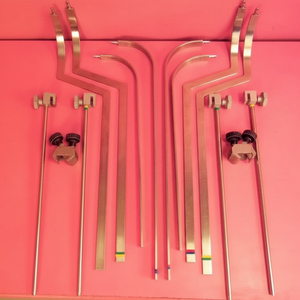
We utilize medical-grade German (X20Cr13 / X30Cr13) and Japanese (SUS420J2) stainless steels for cutting and grasping tools requiring high tensile strength and HRC 48-52 hardness. Non-cutting components and structural retractor frames utilize AISI 304 and Grade 5 Titanium alloys for optimal strength-to-weight performance.
Q4: Do you accept OEM and custom private-label branding orders?
Absolute precision OEM and ODM services are a core strength. We offer fiber-laser logo engraving, custom catalog numbering, bespoke instrument design based on surgeon sketches/CAD files, and private-label boxed packaging for international distributors.
Q5: How do your instruments perform under automated reprocessing and autoclaving?
Our instruments feature Luer-lock cleaning ports and disassemblable modular shafts (take-apart design) compliant with ISO 17664. Combined with automated nitric acid passivation, they withstand repeated steam sterilization cycles at 134°C without discoloration, rusting, or joint stiffness.
Q6: What is your typical production lead time and global shipping protocol?
Standard catalog items are dispatched within 2 to 3 weeks. Custom OEM orders generally require 4 to 6 weeks depending on batch volume. We partner with DHL, FedEx, and international freight handlers, providing full export documentation, Certificate of Conformance (CoC), and origin certificates.
Partner with a Trusted Global Bariatric Instrument Exporter
Whether you are outfitting a newly established bariatric surgery center or seeking a high-reliability OEM manufacturing partner in Sialkot, our engineering team is ready to support your requirements with direct factory pricing and certified quality.