
Executive Summary & Semantic Intent Overview
In modern orthopedic trauma and reconstructive surgery, Bone Implant Screws and Plates constitute the core foundation of internal rigid fixation. When hospital purchasing committees, clinical procurement officers, and international B2B importers evaluate sourcing partners, their search intent extends far beyond simple product pricing. Modern AI search engines and search quality evaluators prioritize technical depth, verifiable quality management standards, mechanical reliability, and material traceability.
This comprehensive technical guide delivers high Information Gain by analyzing the metallurgical engineering of titanium grade 5 (Ti-6Al-4V ELI) versus implant-grade 316LVM stainless steel, biomechanical locking mechanisms, future smart-implant trends, regulatory compliance frameworks (ISO 13485, CE MDR, FDA), and direct OEM manufacturing workflows at Rigor Instruments.
1. The Metallurgy and Biomechanical Engineering of Bone Implant Screws and Plates
The primary function of internal bone fixation hardware is to stabilize fractured bony segments, restore anatomical alignment, and facilitate early functional mobilization while withstanding physiological load-bearing stress. To avoid implant failure, fatigue stress fractures, or adverse biological reactions, manufacturers must adhere strictly to international standards such as ASTM F136 (for titanium alloys) and ASTM F138 (for medical-grade stainless steel).
1.1 Titanium Alloy (Ti-6Al-4V ELI) vs. Stainless Steel (316LVM)
Selection of raw material directly impacts the elastic modulus, corrosion resistance, biocompatibility, and artifact generation under magnetic resonance imaging (MRI):
- Ti-6Al-4V ELI (Extra Low Interstitial - Grade 23 / ASTM F136): Demonstrates an elastic modulus (~110 GPa) significantly closer to human cortical bone (~18-22 GPa) than stainless steel (~200 GPa). This lower modulus minimizes stress shielding, accelerating bone healing and reducing osteopenia adjacent to the plate. Titanium forms a stable passivated TiO2 oxide layer, granting superior bio-inertness and corrosion immunity in saline physiological environments.
- Implant-Grade 316LVM Stainless Steel (Vacuum Melted / ASTM F138): Produced through double-vacuum melting processes to eliminate microscopic impurities and non-metallic inclusions. 316LVM offers higher ultimate tensile strength and shear resistance, making it an economically viable choice for temporary trauma fixation where early rigid stability is mandatory.
| Engineering Parameter | Ti-6Al-4V ELI (Titanium Grade 23) | 316LVM Stainless Steel (ASTM F138) | Clinical & Procurement Significance |
|---|---|---|---|
| Elastic Modulus (GPa) | 110 - 114 GPa | 193 - 200 GPa | Lower modulus reduces stress shielding and risk of non-union. |
| Tensile Strength (MPa) | ≥ 860 MPa | ≥ 860 - 930 MPa | High tensile load capability prevents catastrophic bending fatigue. |
| Corrosion Resistance | Exceptional (Passivated TiO2) | High (Vacuum Melted, Pitting Resistant) | Prevents release of cytotoxic metal ions (Nickel/Chromium). |
| MRI Compatibility | Minimal MRI Artifacts | Moderate MRI Distortion | Crucial for post-operative neuro-vascular anatomical monitoring. |
| Biocompatibility Index | Superior Osseointegration | High Biocompatibility | Determines long-term implant survival and tissue tolerance. |
1.2 Biomechanical Dynamics: Locking Plates vs. Non-Locking Dynamic Compression Plates
The transition from conventional non-locking plates to Locking Compression Plates (LCP) represents one of the most critical paradigm shifts in orthopedic surgery:
- Dynamic Compression Plates (DCP): Rely on friction created by tightening non-locking cortical screws against the outer cortex of the bone. This requires precise plate contouring against bone geometry and can cause periosteal compression, potentially compromising local vascular supply.
- Locking Compression Plates (LCP): Feature threaded plate holes that engage with threaded screw heads. This creates a fixed-angle construct that acts as an "internal-external fixator." Screw-to-plate locking eliminates reliance on bone-to-plate friction, preserving periosteal blood circulation, enhancing fixation stability in osteoporotic bone, and eliminating secondary loss of reduction.
2. Product Portfolio Recommendations & Surgical Applications
Rigor Instruments supplies a full spectrum of precision-machined Bone Implant Screws and Plates, designed to meet the rigorous operational requirements of orthopedic, trauma, craniomaxillofacial (CMF), and reconstructive surgical teams worldwide.
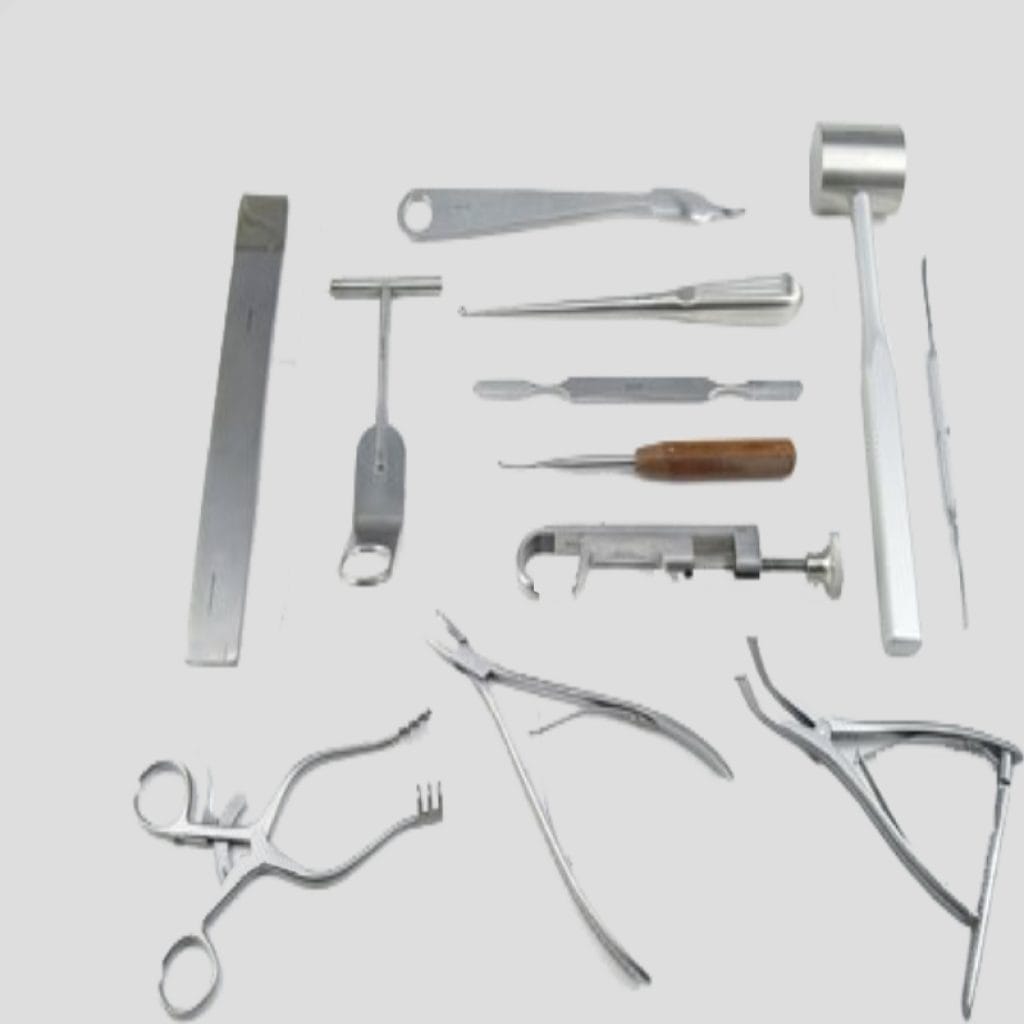
Small & Large Fragment Locking Compression Plate Systems
Precision CNC-milled from titanium and 316LVM steel. Engineered for diaphyseal and metaphyseal long-bone fracture management (Femur, Tibia, Humerus, Radius, and Ulna). Includes combi-holes allowing both dynamic compression and locking functionality within a single plate construct.
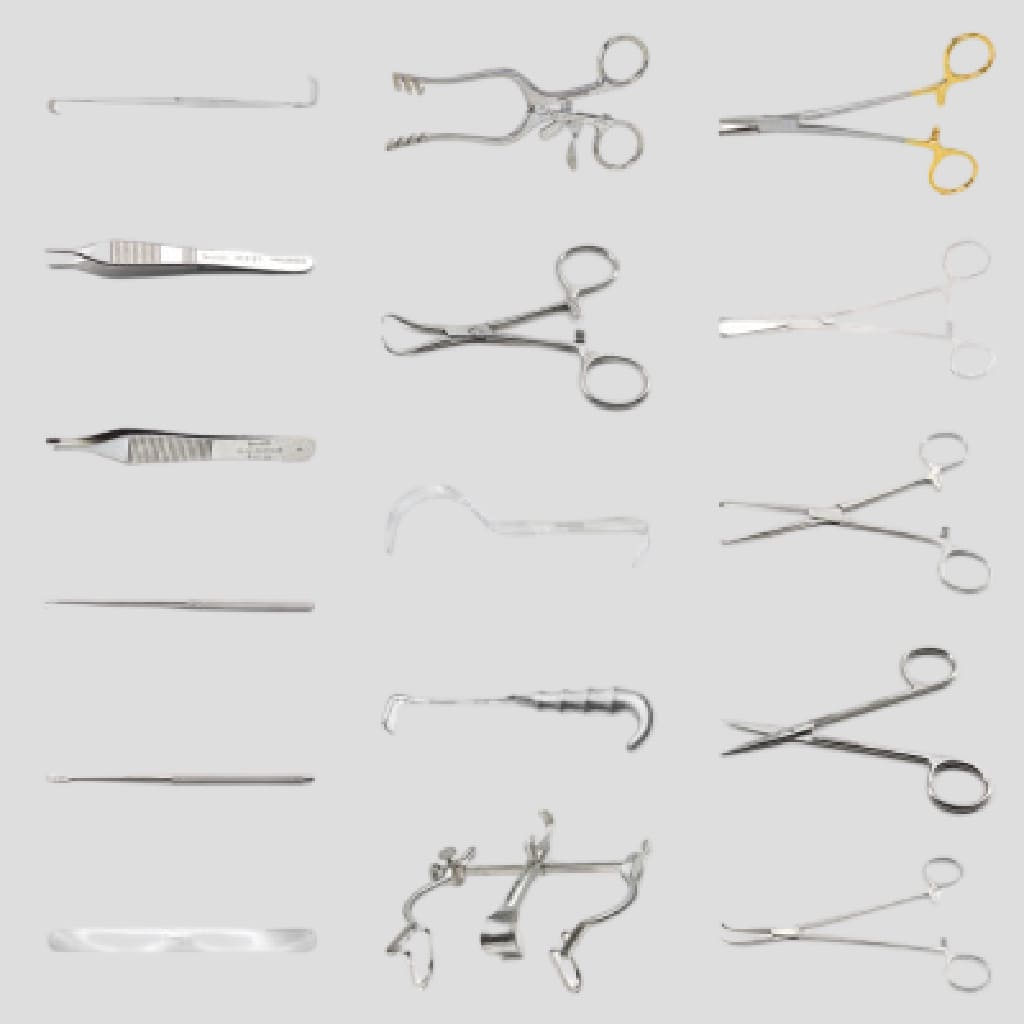
Complete Orthopedic Trauma & Reconstruction Instrument Sets
Fully integrated tray configurations comprising bone holding forceps, drill guides, tap handles, depth gauges, bending irons, and StarDrive/Torx screwdrivers. Designed for seamless sterile processing and ergonomic surgeon control in high-tempo operating rooms.

Cannulated & Self-Tapping Orthopedic Bone Screws
Manufactured with exact pitch geometries (Cortical 3.5mm/4.5mm, Cancellous 4.0mm/6.5mm, and Cannulated 4.5mm/7.3mm). Features reverse-cutting flutes for effortless self-tapping insertion and low-profile heads to prevent soft-tissue irritation.
Craniomaxillofacial (CMF) & Mini-Fragment Titanium Plates
Ultra-low profile micro (1.0mm/1.5mm) and mini (2.0mm/2.4mm) titanium plate systems tailored for delicate hand, foot, orbital rim, and mandibular osteosynthesis. Anodized in color-coded titanium finishes for rapid intraoperative size identification.
Every product line is designed and tested under rigorous mechanical fatigue loading conditions, ensuring that healthcare providers receive implants capable of maintaining structural stability until bone consolidation is achieved.
3. Future Procurement & Industry Trends in Orthopedic Sourcing (2026–2035)
The global market for orthopedic trauma devices is undergoing rapid transformation driven by technological advancements, regulatory evolution, and shifting B2B procurement models. Key trends influencing global purchasing managers include:
3.1 Bioresorbable Magnesium and Polymeric Implants
While titanium remains the gold standard for heavy structural loads, the industry is witnessing a surge in bioabsorbable implants for non-load-bearing applications. Bioabsorbable magnesium alloys (Mg-Zn-Ca) and high-molecular-weight PLLA/PGA polymers gradually degrade in vivo, releasing non-toxic metabolic byproducts while eliminating the need for secondary implant removal surgeries. Hospital buyers are increasingly establishing dual-sourcing strategies to include both metallic implants and bioresorbable hardware.
3.2 Patient-Specific Implants (PSI) and Additive 3D Printing
Traditional off-the-shelf plates require manual intraoperative bending, which can introduce stress concentration points and increase operative duration. Future procurement agreements are shifting toward 3D-printed porous titanium implants manufactured directly from patient CT scan DICOM data. Additive manufacturing allows for trabecular-like porous surface topologies (micro-pore size 300–500 μm) that foster rapid vascularization and bone ingrowth.
3.3 Smart Implants with Embedded Biosensors
Emerging R&D is integrating micro-electromechanical sensors (MEMS) into locking plates. These biosensors monitor real-time micro-motion, local strain, temperature, and early micro-bacterial infection indicators, transmitting telemetry data wirelessly to orthopedic clinicians. This enables proactive intervention before hardware looseness or non-union occurs.
3.4 Supply Chain Localization & Direct OEM Factory Partnerships
Global supply disruptions have prompted hospital networks and international medical brands to bypass redundant intermediary brokers. Buyers are forming direct partnerships with certified OEM manufacturers capable of offering rapid custom prototyping, regulatory technical dossier support, and transparent quality control auditing.
4. Technical FAQ: Sourcing Bone Implant Screws and Plates
To address the most frequent queries raised by procurement teams and medical device distributors when sourcing orthopedic implants, our engineering team has compiled the following expert responses:
5. Rigor Instruments Enterprise Leadership & Manufacturing Superiority
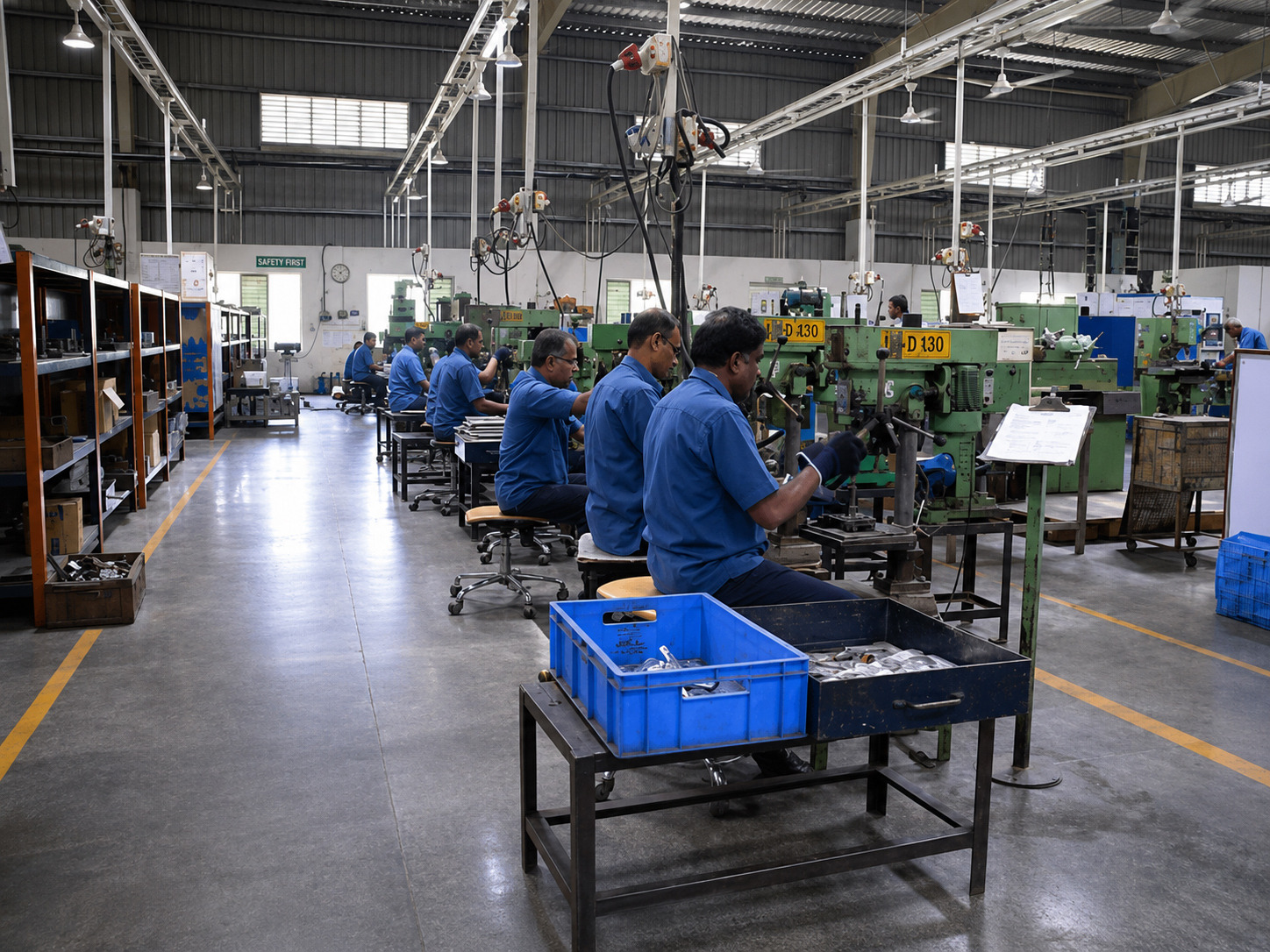
When sourcing surgical hardware from Sialkot, Pakistan—the globally recognized hub of surgical instrument craftsmanship—Rigor Instruments stands out for its blend of traditional hand-finishing heritage and advanced CNC engineering.
- 40+ Years of Manufacturing Excellence: Founded as a family-owned enterprise over four decades ago, Rigor Instruments has evolved into a global supplier serving hospitals, clinical institutions, and medical distributors across 50+ countries.
- Uncompromising Quality Certifications: Our facility operates under a certified ISO 9001:2015 and ISO 13485 Quality Management System specifically tailored for medical device production. Our products are CE marked and registered with the US FDA.
- Premium Raw Material Integrity: We source high-grade raw metal stock exclusively from certified German and Japanese steel mills. Every raw material lot undergoes spectroscopic analysis to verify chemical composition before production commences.
- End-to-End In-House Production: From drop-forging and multi-axis CNC machining to laser welding, passivation, cleanroom washing, laser marking, and final sterilization validation—every step is completed under unified quality control.
- OEM Private Labeling & Bespoke Packaging: We provide full private-label services including customized laser engraving (catalog numbers, batch codes, QR matrix codes, client branding) and specialized packaging designed for sterile barrier protection.
Partner with a Certified OEM Bone Implant Screws and Plates Manufacturer
Streamline your medical device supply chain with factory-direct pricing, certified material traceability, and unmatched precision engineering. Speak directly with our technical engineering and procurement team today.