Choosing the right Arthroscopic Surgical Instruments in 2026 requires more than comparing catalog prices. Buyers must examine performance, safety, compatibility, and long-term service support. A sharp trocar may enter smoothly, yet poor grip design can cause fatigue during a lengthy procedure. Small details matter.
This guide evaluates instruments through practical purchasing experience and clinical priorities. It considers arthroscopes, graspers, punches, scissors, cannulas, shavers, and supporting accessories. Each category deserves attention to visualization, tip control, jaw alignment, corrosion resistance, and sterilization requirements. Product specifications should be checked against the manufacturer’s instructions for use, validated cleaning methods, and applicable regional regulations. Surgeon feedback is equally important because laboratory impressions may not reflect operating-room demands.
Reliable sourcing also depends on traceability. Buyers should review manufacturing quality systems, material documentation, warranty terms, repair pathways, and replacement-part availability. A lower purchase price may become expensive when handles loosen or specialized components are difficult to replace. Compatibility with existing towers, pumps, handpieces, and sterilization systems should be confirmed before ordering. Not every impressive feature improves patient care. Some claims remain difficult to compare without independent testing. That limitation deserves honest attention.
The best choice is rarely the newest instrument alone. It is the instrument that performs consistently, supports safe workflows, and remains practical for the facility’s budget. This 2026 buyer-focused overview highlights useful criteria while recognizing that preferences vary between specialties, surgeons, and healthcare systems. No instrument is perfect. Careful verification still matters.
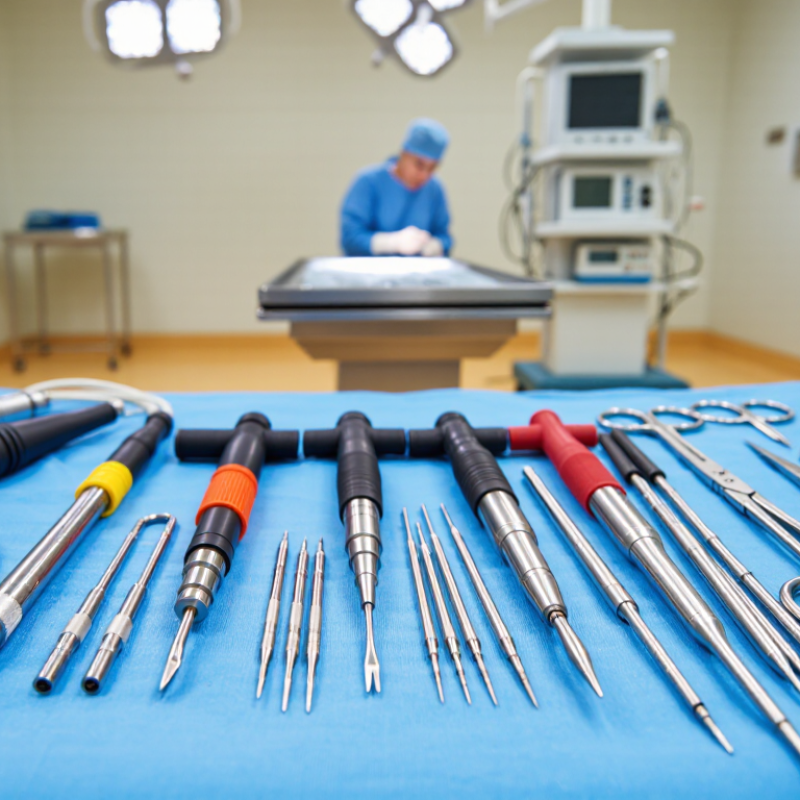
What Are Arthroscopic Surgical Instruments and How Are They Used?
Arthroscopic surgical instruments are slender tools used through small portals around a joint. An arthroscope combines a narrow camera, light source, and viewing system. Light, camera quality, and irrigation work together. Clear visualization depends on controlled fluid flow and a clean lens. Without stable pressure, blood and tissue debris can quickly obscure the surgical field.
Surgeons use cannulas and trocars to create and maintain access routes. Graspers hold tissue or retrieve small fragments. Probes test cartilage, ligaments, and joint surfaces. Shavers remove damaged tissue and smooth irregular areas. Scissors and punches cut or trim tissue with controlled movement. Each instrument should match the joint, procedure, and surgeon’s technique.
For buyers, safety and compatibility matter more than a long instrument list. Check shaft diameter, working length, jaw movement, and connection standards. Reusable instruments require validated cleaning, inspection, sterilization, and maintenance procedures. Look for corrosion-resistant materials and handles that remain stable with wet gloves. Ergonomic design can reduce hand fatigue during long procedures. A low price may hide poor alignment or difficult maintenance. That assumption deserves scrutiny. Clinical staff should test instruments with the intended camera, cannula, and irrigation system before purchase. Some instruments feel precise on paper but awkward in the hand. Direct evaluation can reveal that difference.
Which Instruments Are Essential for Arthroscopic Procedures in 2026?
Arthroscopic procedures in 2026 still depend on a focused, reliable instrument set rather than an oversized tray. The essential foundation includes a rigid arthroscope, a high-definition camera, a light source, and a stable image display. Different joint angles and diameters improve access, especially in narrow spaces. Cannulas and blunt trocars help establish safe working portals. Portal stability matters more than many buyers expect.
A powered shaver with interchangeable blades supports controlled tissue removal. Small burrs assist bone preparation when indicated. Graspers, punches, scissors, and probing hooks provide tactile feedback during inspection and repair. Irrigation tubing, suction control, and inflow management help maintain a clear field. For ligament or labral repair, suture passers, knot pushers, and compatible anchors may be necessary. Their compatibility should be checked before purchase, not during surgery.
Instrument quality is not only about sharpness or image resolution. Handles should feel balanced with wet gloves, and rotating parts should move without hesitation. Reusable devices require clear cleaning access and validated reprocessing instructions. Single-use items can reduce reprocessing demands, but they may increase cost and waste. No tray is perfect. A team may still discover that one punch is too bulky or one cannula leaks under pressure. Buyers should review actual procedure logs, surgeon preferences, service support, and staff feedback before final selection. Availability of spare parts also deserves attention. Fancy specifications cannot replace dependable performance.
How to Compare Arthroscopic Instruments by Design and Performance
The 2026 buyer should compare arthroscopic instruments by measurable performance, not catalog appearance.
Grand View Research’s 2024 market analysis projects continued growth in arthroscopy devices through 2030, driven partly by minimally invasive procedures. That growth creates more choices, but not necessarily better instruments.
Start with the working anatomy. A grasper should open smoothly inside a narrow joint space. Its jaw profile must provide firm tissue control without blocking the camera view. Check the handle angle, trigger resistance, shaft diameter, and rotation control. A difference of one millimeter can affect access around the meniscus. Small details matter.
Look for published testing data. Useful measures include tip deflection, closing force, optical resolution, irrigation flow, and cycle-life performance. ASTM-based testing can support comparisons, although laboratory results may not reflect every operating room. The AORN 2024 perioperative guidance also emphasizes validated cleaning, inspection, and sterilization processes. A complex hinge is not automatically superior. It may trap debris.
In practical evaluations, surgeons should test instruments with gloves and simulated wet conditions. Record fatigue after repeated opening cycles. Examine whether the shaft scratches easily or loses smooth rotation. Grand View Research also identifies disposable and reusable formats as important market segments, yet cost-per-procedure calculations often miss repair delays and staff time. That is an imperfect measure. Buyers should question it. Performance claims need independent verification, not confident wording.
What Safety, Sterilization, and Quality Standards Should Buyers Check?
When buying arthroscopic surgical instruments, safety begins with traceable design, not appearance. Check ISO 13485-based quality systems, risk controls aligned with ISO 14971, and documented material safety under ISO 10993 where applicable. Inspect jaws, cutting edges, shafts, insulation, and cannula connections under bright light. A polished surface can still hide a loose joint.
Sterilization evidence deserves closer attention. ISO 17664-1 requires manufacturers to provide validated processing instructions for reusable devices. Buyers should request cleaning, disinfection, drying, packaging, and sterilization parameters, not only a sterilization claim. AAMI ST79 also emphasizes monitoring, records, and staff competency for steam sterilization. Ask whether narrow channels were tested with realistic soil and worst-case loading. That detail matters.
The World Health Organization reports that surgical-site infections affect about 11% of surgical patients in low- and middle-income countries, compared with 5–10% in higher-income settings. Instrument reprocessing is only one factor, but it is a controllable one. Review biological and chemical indicator records, recall procedures, and lot traceability. Confirm that the device’s instructions match your sterilizer, water quality, and drying equipment. They may not. I would also request sample instruments for repeated opening, flushing, and articulation tests. Certificates are useful, but hands-on verification is harder to replace.
How to Choose the Best Arthroscopic Instruments for Different Surgical Needs
2026 Best Arthroscopic Surgical Instruments for Buyers?
How to Choose the Best Arthroscopic Instruments for Different Surgical Needs
Choosing arthroscopic instruments starts with the procedure, not the catalog. A shoulder repair may require fine graspers, suture passers, and narrow cannulas. Knee procedures often need punches, probes, shavers, and angled instruments. Match the working length, tip profile, and jaw movement to the joint and access route. Small details matter.
In daily operating-room use, surgeons notice balance quickly. A handle that feels stiff can increase fatigue during a long case. A smooth ratchet helps controlled tissue handling. Clear depth markings support consistent positioning. Optics also need sharp imaging, reliable light transmission, and easy cleaning access. Test instruments with gloved hands when possible. It reveals problems brochures cannot show.
Buyers should review cleaning instructions, sterilization compatibility, material data, and traceability documents. Confirm that every component fits the intended camera, tubing, power system, or cannula. Applicable regulatory requirements and validated reprocessing procedures deserve careful review. A lower price may hide fragile jaws or limited repair support. That is not always true. Ask for service records, warranty terms, and practical user feedback. No checklist is perfect. Even experienced teams may overlook grip comfort or storage damage. A small trial with the actual surgical staff can expose those weaknesses before routine use.
2026 Best Arthroscopic Surgical Instruments for Buyers
Typical arthroscope diameter selection by surgical need. Smaller diameters support access to confined joints, while larger scopes generally provide a wider field of view and more light transmission.
Reference values show commonly used arthroscope diameters rather than universal requirements. Knee and shoulder procedures commonly use 4.0 mm scopes; wrist, elbow, and ankle procedures often use 2.7–4.0 mm scopes; very small joints may require 1.9–2.7 mm systems. Final selection should consider joint size, portal access, visualization needs, irrigation flow, and compatibility with the instrument set.
Conclusion
Arthroscopic Surgical Instruments are specialized tools used to access, view, and treat joint conditions through small incisions. In 2026, essential instruments may include arthroscopes, graspers, punches, scissors, probes, shavers, cannulas, and fluid management accessories. Buyers should evaluate each instrument’s design, ergonomic handling, visualization compatibility, precision, durability, and suitability for specific procedures such as knee, shoulder, hip, or wrist surgery.
When comparing options, buyers should also examine material quality, joint smoothness, cutting performance, corrosion resistance, and ease of cleaning. Reliable instruments should support validated sterilization processes, meet applicable medical-device quality requirements, and include clear instructions for inspection, maintenance, and reuse when permitted. The best selection depends on surgical purpose, tissue type, operating-room workflow, surgeon preference, and long-term cost. A balanced purchasing decision should prioritize patient safety, consistent performance, compatibility with existing equipment, and dependable service support.